
Tariff uncertainty clouds outlook for Korean display, camera module and other component exports
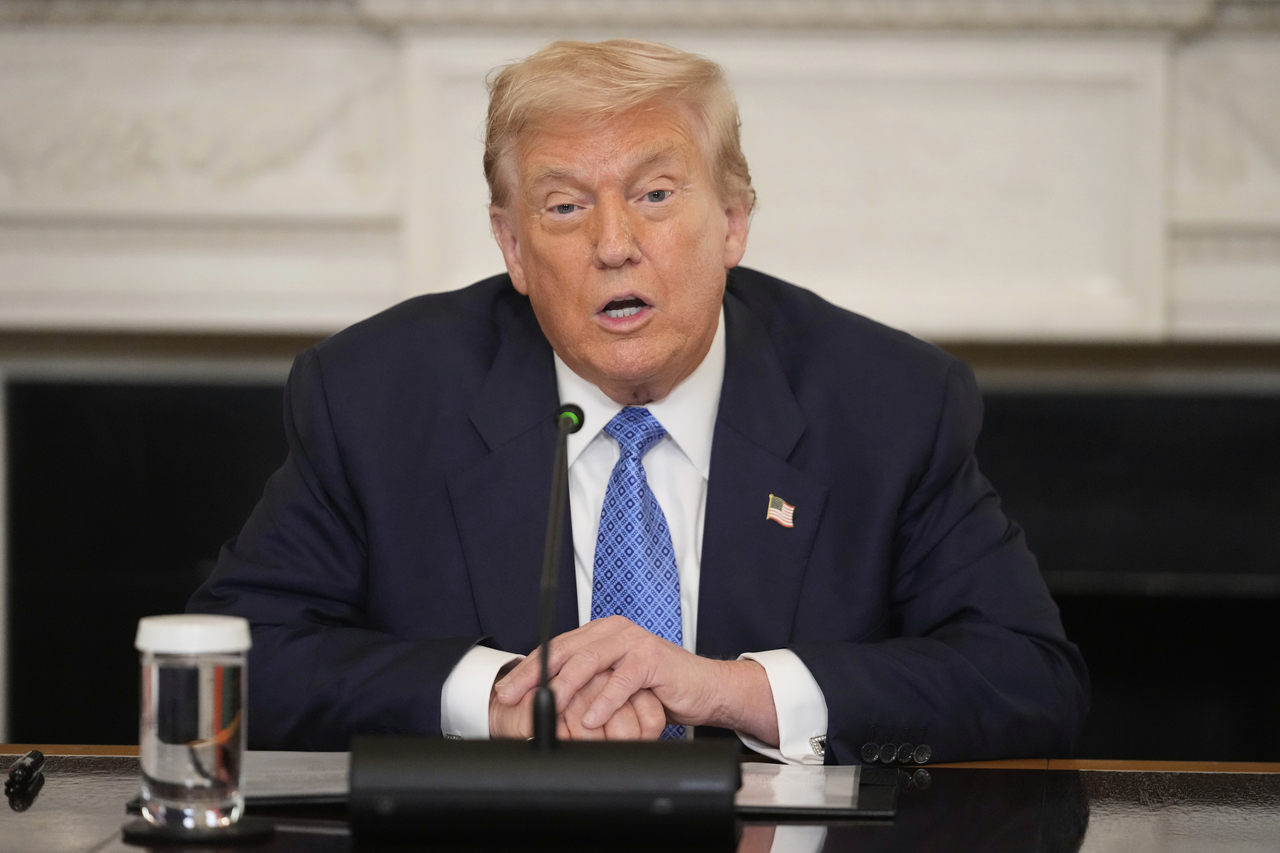
South Korea’s electronic component makers are on high alert as Washington is expected to announce new item-specific tariff rates, including those on semiconductors, as early as this week.
According to industry sources on Monday, even if US President Donald Trump’s proposed “100 percent tariff on semiconductors” is waived for Samsung Electronics and SK hynix due to their investment in US chip plants, uncertainty remains over whether semiconductors embedded in finished goods would also be exempt.
Suppliers fear inevitable pressure to cut component prices if high tariffs are imposed on end products such as smartphones and PCs.
“The US may grant semiconductor tariff exemptions, but those are likely to apply only to products exported directly to the US,” said Han Ah-reum, a researcher at the Korea International Trade Association.
“The exemption may not apply for finished goods, making the scope of exemptions a critical issue going forward.”
The US Department of Commerce is expected to release its list of semiconductor-related derivative products soon, following its investigation under Section 232 of the Trade Expansion Act.
In April, US Commerce Secretary Howard Lutnick said that smartphones, computers and some other electronics will come under separate tariffs. This signals that tariffs could be applied to a broad range of devices to boost US production.
If such tariffs are imposed on consumer electronics, profitability at electronics makers such as Samsung Electronics and LG Electronics is likely to take a hit. Component makers worry that the higher cost burden for their clients will cascade down to price-cutting pressure on suppliers.
Samsung Display CEO Yi Chung told local reporters on Thursday, “If tariffs from the US raise the prices of finished products, that could lead to downward pressure on display and other component prices. We are watching the situation closely.”
Industry watchers warn that higher prices for consumer electronics could further dampen already sluggish consumer sentiment in the US market.
“If smartphones and PCs are categorized as semiconductor derivative products, maintaining the current retail prices will be difficult,” said an industry official who requested anonymity. “If prices inevitably rise, demand in the US will shrink, triggering a cycle of reduced demand for semiconductors and components overall.”
With the US-led global trade war expected to persist for a while, the parts industry is closely watching supply chain strategies of major electronics manufacturers such as Samsung, Apple and LG.
“Apple has recently unveiled large-scale investment plans in the US in a bid to ramp up domestic production, signaling an ongoing reshuffle of global supply chains,” said the anonymous industry source.
“Korean suppliers of key components such as displays and camera modules are also reviewing adjustments in their production ratios by country as part of their response.”
Korean component makers have already weathered a series of tariff disputes driven by the US government’s country-specific duties.
Samsung Electro-Mechanics put its Mexican plant construction plans on hold after Washington threatened a 30 percent tariff on Mexican imports. Mexico later secured a 90-day grace period and negotiated the rate down to 25 percent.
Similarly, Vietnam — where LG Innotek, Samsung Display and other Korean component makers have major production bases — was initially hit with a 46 percent tariff, which was later reduced to 20 percent through negotiations.
yeeun@heraldcorp.com