
Analysts also urge caution, say Seoul should prioritize alliance credibility over early outreach to North
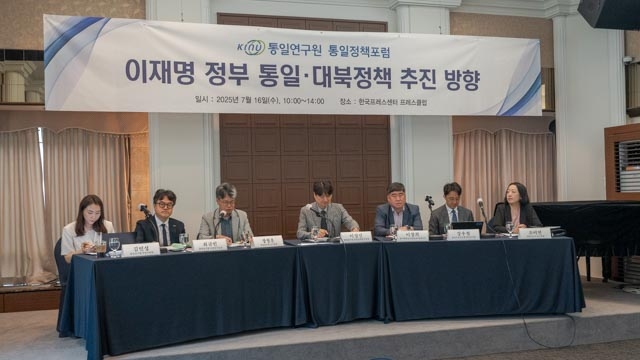
The Lee Jae Myung administration should harness the upcoming APEC summit hosted in South Korea as an opportunity to heal fractured inter-Korean relations, according to experts in Seoul.
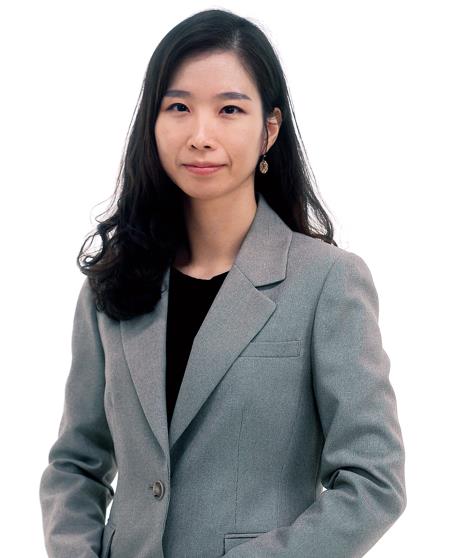
Jang Cheol-wun, a research fellow at the government-funded Korea Institute for National Unification, emphasized the need for Seoul to “consistently signal a commitment to shifting the trajectory of inter-Korean relations” through key anniversaries and events later this year.
“Seoul can use key milestones such as the signing date of the Korean Armistice Agreement on July 27, the 80th anniversary of National Liberation Day on Aug. 15 and the APEC summit from Oct. 31 to Nov. 1 in the city of Gyeongju as major opportunities,” Jang said during a forum hosted by KINU on unification and North Korea policy directions under the Lee Jae Myung administration.
South Korea has been gearing up to host the APEC summit in Gyeongju, North Gyeongsang Province, which is now just around 100 days away, with letters of invitation having been sent out on July 14 to leaders including US President Donald Trump and China's Xi Jinping.
The Asia-Pacific Economic Cooperation forum consists of 21 member economies, including South Korea itself, as well as the United States, China and Russia.
Calls for pre-APEC peace overtures
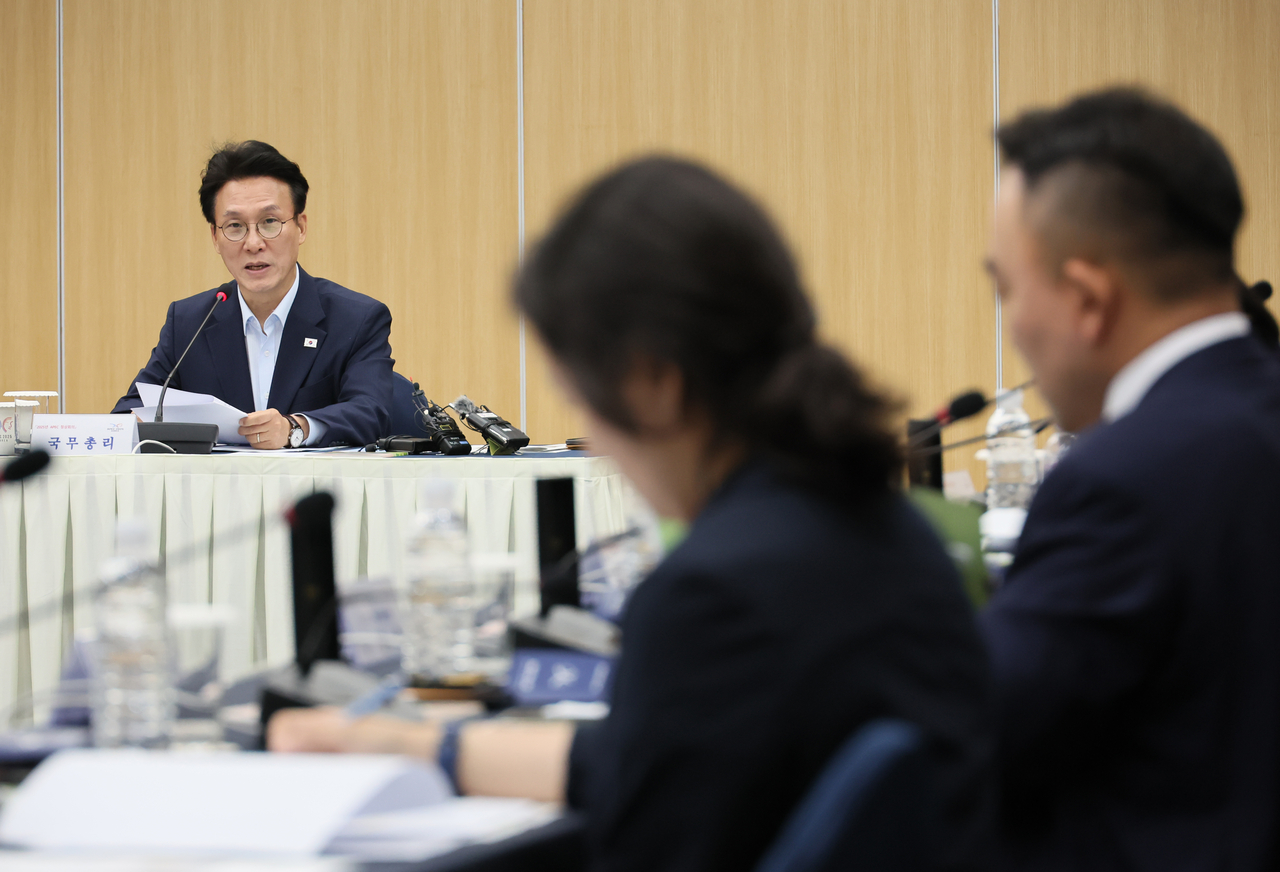
Lee Chang-hi, a research professor at the Institute of North Korean Studies at Dongguk University, also emphasized the "need for Seoul to take concrete steps toward peace on the Korean Peninsula to ensure the successful hosting of the APEC summit."
President Lee, he said, can “declare a temporary suspension of all military exercises in inter-Korean border areas as a preemptive step toward restoring the Sept. 19 inter-Korean military agreement in his Aug. 15 Liberation Day address marking the 80th anniversary.”
“This would help enhance international consensus around peace on the Korean Peninsula and contribute to the success of the upcoming APEC summit,” Lee added. “North Korea is also likely to respond to crisis management efforts on the Korean Peninsula out of its own interests."
At its plenary meeting in June, North Korea decided to conclude the year — which marks the 80th anniversary of the founding of the Workers' Party of Korea on Oct. 10 this year — with notable achievements, unveiling its plan to convene a party congress.
“As a result, North Korea is expected to focus its efforts on economic development, making it less likely to escalate military tensions on the Korean Peninsula,” said Dongguk University's Lee.
At his confirmation hearing Monday, Chung Dong-young, Lee Jae Myung's nominee for unification minister, said he was open to inviting North Korean leader Kim Jong-un as an observer and pledged to strive toward that end.
Jang from the KINU, however, said “the likelihood of Chairman Kim Jong-un attending the APEC summit is low,” explaining that Kim has never participated in a multilateral summit.
“And for a leader like him, attending such an event would only be worthwhile if he stood out — but at APEC, he would be just one of many, which makes his attendance rather unlikely,” Jang said. “That being said, I believe it is still important that such discussion of (Kim’s attendance) continue to be raised.”
Alliance first, reconciliation later
However, on the other side, some experts voiced caution over Seoul prematurely taking conciliatory measures — such as scaling down combined military exercises with the United States — in a bid to foster an atmosphere of inter-Korean reconciliation.
“This year is the time South Korea must place particular emphasis on the South Korea–US alliance,” Jo Bee-yun, a research fellow at the Sejong Institute in Seoul, said at the forum.
“This is because, in my view, the most urgent task is to address the trust deficit that exists in our relationship with the US. To that end, we should first work to resolve this issue before moving forward with other policy agendas.”
Jo noted that in Washington, lingering concerns continue to serve as informal litmus tests for whether the Lee Jae Myung administration is reverting to the playbook of past liberal governments, particularly through signals such as advocating strategic autonomy from the US or reservations about conducting large-scale joint military exercises.
Broader structural shifts also matter: Adjustments in the US force posture across the Indo-Pacific, uncertainty over the future scale of US Forces Korea and Seoul’s pursuit of regaining wartime operational control from the US.
"If these are approaching realities for us, we will inevitably demand new security assurances for the US to maintain the credibility of US extended deterrence,” Jo said. “That’s why I believe managing the trust issue with the US must come first, before moving on to the next steps.”
dagyumji@heraldcorp.com