
Sensitive information, including then-President Park Geun-hye’s whereabouts, actions during ‘7-hour controversy,’ not disclosed
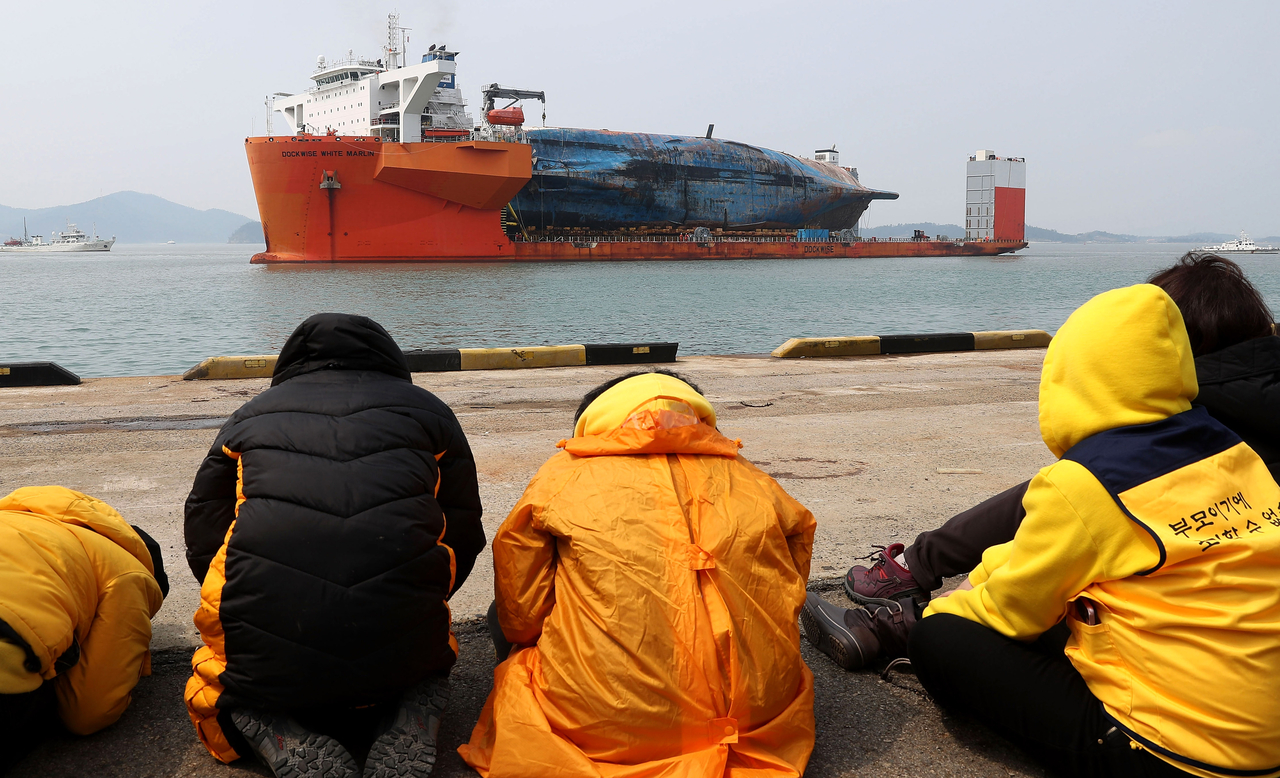
A total of 7,784 sealed presidential records from the Park Geun-hye administration have been made accessible, including 22 pieces of information related to the 2014 sinking of the Sewol ferry that left 304 dead or missing.
Of some 204,000 documents and points of data that were preserved and sealed during Park's 2013-17 presidency, the state-authorized sealing of the 7,784 records has expired, according to Presidential Archives data submitted to Rep. Yang Bu-nam of the ruling Democratic Party of Korea. Park was impeached and ousted from the office in March 2017 in a corruption scandal.
No new revelations on Sewol controversies
Among the newly released records are those related to reports submitted to Park during the investigation of the maritime disaster, which was one of the worst in the country's history. The government was severely criticized for its handling of the tragic incident, which took the lives of mostly high school students on a field trip, after the investigation revealed lackluster rescue efforts and a network of corruption across the civilian and public sector predating the accident.
Other records included documents on follow-up measures to the special act on the Sewol investigation and on the parliamentary discussion over enactment of the special act.
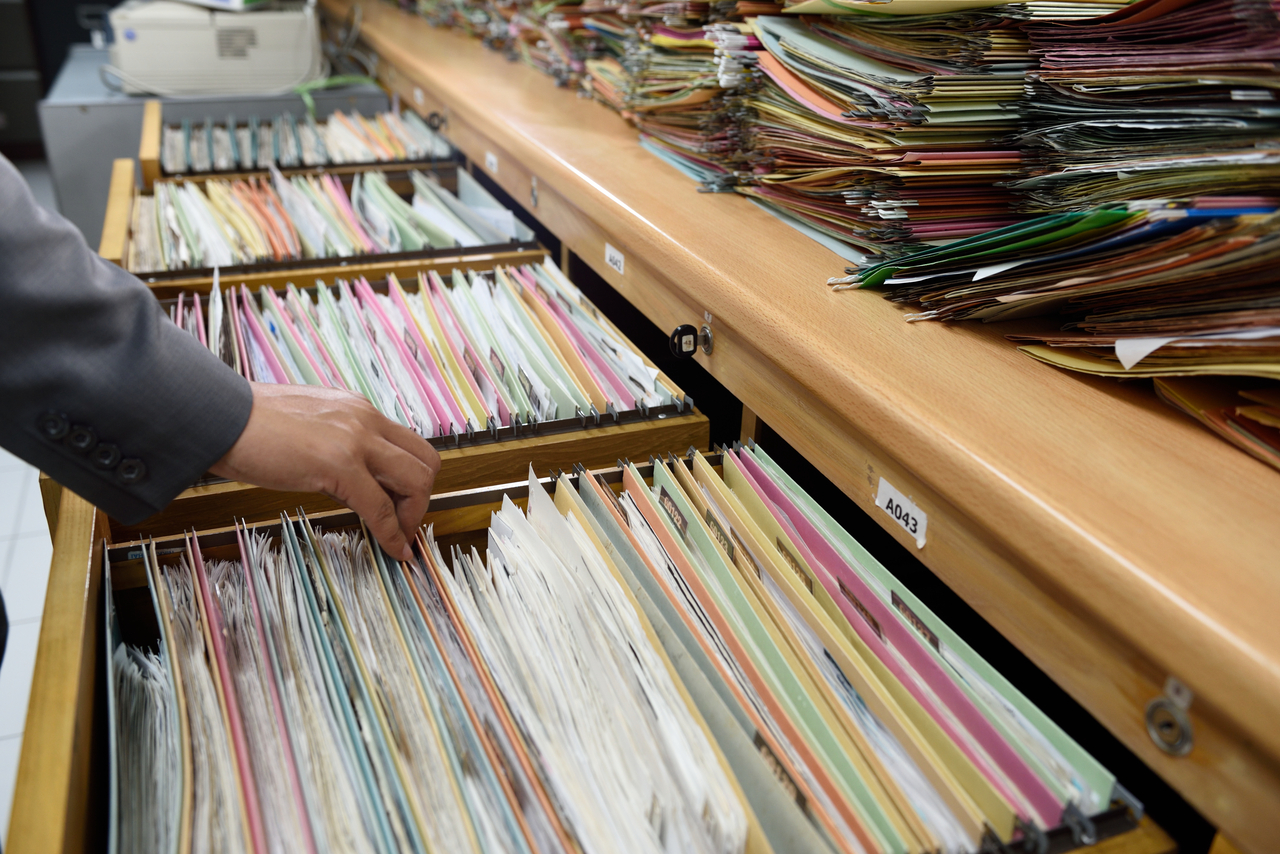
But most of the information sought by civic groups related to Sewol ferry disaster remain sealed, such as reports submitted to the presidential office on the day of the accident. This information is closely linked to the "seven-hour controversy," referring to a lack of records indicating where Park was or what she was doing between her first Sewol-related order at 10:15 a.m. and her visit to the Central Disaster and Safety Countermeasures Headquarters at 5:15 p.m.
What Park did in the initial stages of the disaster remains a mystery to this day, as does why it took over an hour for the news to reach the president when the first report to the Coast Guard was made at around 8:50 a.m.
In her impeachment trial in 2017, the Constitutional Court acknowledged that Park did not do her best in the tragedy, given that she apparently stayed inside the presidential residence in the early hours of the accident. But the court did not consider her action or inaction in its decision, as it had determined that a president's apparent incompetence does not constitute grounds for impeachment.
Other records related to the Park administration released so far include the results of a working-level meeting between South Korea and Japan on defense policies, the results of a security briefing made to the United Nations commander and reports related to the legislative process in the National Assembly, such as for the Child Care Act.
The Act on the Management of Presidential Archives states that presidential records that could pose a severe risk to national security or obstruct the stability of the national economy if disclosed may be held inaccessible for up to 15 years, or up to 30 years for records concerning the private lives of individuals.
Will Sewol records be released?
It is unclear when records related to Park in the crucial hours of the Sewol disaster will be released, or if the documents actually carry detailed information on what she was doing at the time.
Hwang Kyo-ahn, who became acting president upon Park's impeachment, designated all documents created by the presidential office on April 14, 2016, to be sealed in the Presidential Archives. Both the content and list of documents are classified.
The special government-civic committee on investigation of the disaster in 2021 reportedly mulled requesting a search and seizure of the Presidential Archives for the crucial information, but the plan was ultimately scrapped.
An administrative trial related to releasing the documents related to the seven hours was launched in 2017 by lawyer Song Ki-ho, who is now an aide for President Lee Jae Myung. After the Seoul High Court ruled against Song in 2019, the Supreme Court in January reversed the decision and ordered the redeliberation of the case.
minsikyoon@heraldcorp.com