
Park Yu-ha, author who argued sex slaves for Japanese army during World War II were prostitutes, to receive 8.75 million won for trial-related costs
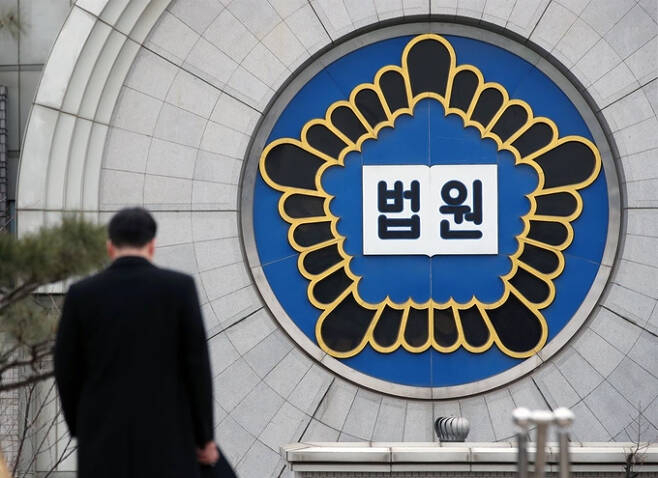
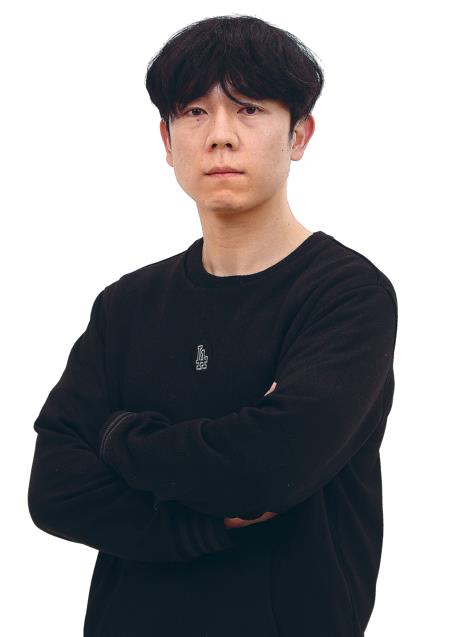
The Seoul High Court has ordered the South Korean government to financially compensate Park Yu-ha, professor emeritus at Sejong University, after she was cleared of defamation charges related to her controversial book about victims of Japan’s wartime sexual slavery, local media reported Thursday.
The court ruled that Park should be paid 8.75 million won ($6,440) to cover damages caused by her prosecution. The charges stemmed from her claim in her 2013 book "Comfort Women of the Empire" that the comfort women, a euphemism for victims of Japan’s wartime military sexual slavery, were prostitutes and were not forcibly mobilized by the Japanese forces during World War II.
Park was indicted in 2015 for defaming the surviving victims.
The Supreme Court in October of 2023 ruled in favor of Park, saying her expression does not constitute the crime of defamation as stipulated in the Criminal Code. It was deemed that Park's expression should be considered a claim based on the right of academic freedom and her personal opinion.
In the previous rulings, the district court in 2017 found her innocent, but the appellate ruling by the Seoul High Court had convicted her of defamation.
The ruling by the appellate court had said that the claims made by Park were enough to depreciate the dignity of the former comfort women. It pointed out that the UN human rights report and the international community agree that the comfort women were indeed sex slaves. It is estimated that hundreds of thousands of women from across Asia were forced to work in front-line brothels for Japanese soldiers during the war.
The legal fight surrounding Park's claim was not over the legitimacy of the comments in her book, but over whether or not they should be legally considered defamation.
Park also won the civil lawsuit filed by the former victims of Japan's sexual slavery in January, with the civil court basing its decision on the 2023 ruling by Korea's highest court.
minsikyoon@heraldcorp.com