Despite signs of a Middle East ceasefire, South Korea’s trade headwinds run deeper
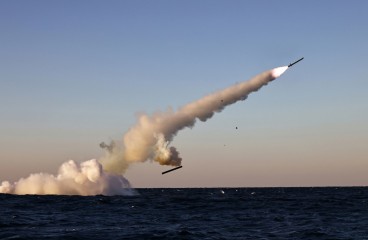
Tensions soared early Sunday as the US launched strikes on key nuclear facilities in Iran. Less than 48 hours later, US President Donald Trump announced a “complete and total” ceasefire between Israel and Iran on social media. The twelve-day conflict in the Middle East, which had threatened to spiral further, now appears to be winding down.
Oil prices dipped and global markets edged higher, reflecting a collective sigh of relief from investors and governments alike. For South Korea, the immediate risk of regional escalation may have eased, but this is no time to let down its guard. The country’s trade outlook, shaped by both geopolitical shocks and structural vulnerabilities, remains uncertain.
De-escalation in the Middle East is a welcome development for Seoul. A broader war could have disrupted energy flows, raised transportation costs and further stressed supply chains. South Korea, whose economy is heavily dependent on exports, is especially exposed to such risks. But the temporary quiet abroad cannot obscure the deeper challenges facing its export sector at home.
Data from the first 20 days of June show a modest uptick. Exports rose 8.3 percent year-on-year, bolstered by rising semiconductor demand and growth in ship and auto shipments. Yet the rebound may prove short-lived. From January to May, total exports declined 0.9 percent compared to the same period last year.
Industry experts now predict an even sharper contraction in the second half of the year. The Korea International Trade Association projects a 3.8 percent drop in exports for the second half of the year, enough to push the annual total down by 2.2 percent compared to 2024.
Much of the pressure stems not from falling global demand, but from a shifting trade landscape. Protectionist policies — particularly from the US — are imposing new constraints. Since March, the Trump administration has implemented steep tariffs: 25 percent on imported cars and 50 percent on steel and aluminum. These measures target South Korea’s core export industries. In May alone, auto exports to the US fell more than 16 percent, while steelmakers reported a rise in canceled orders. A recent industry survey found that over a third of South Korean auto parts exporters are absorbing the full cost of the tariffs themselves. These are not isolated tremors but signs of a more lasting imbalance.
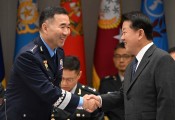
To its credit, the South Korean government has begun to act. Trade Minister Yeo Han-koo is in Washington this week for high-stakes talks. He has framed the negotiations as “pragmatic and interest-driven,” with the aim of leveling the playing field and securing predictability for South Korean companies operating in the US. Yet the window for action is narrow. A July 8 deadline looms, after which the suspended "reciprocal" tariffs may snap back into effect.
Even if Seoul succeeds in easing the current tariff pressure, the larger challenge remains. Short-term disruptions — whether from war, price swings or political shifts — are becoming part of the new normal. South Korea’s export strategy cannot rely on tactical fixes alone. It must evolve.
This means more than hedging against volatility. It requires investing in new drivers of growth: advanced semiconductors for AI, bio-health technologies and other high-value industries. It also means diversifying export markets and sharpening the competitive edge of Korean products beyond cost.
The early signals of a ceasefire in the Israel-Iran war may offer a brief respite. But trade, like diplomacy, cannot depend on calm skies. South Korea must prepare for the longer storm — one shaped not only by bombs and tariffs, but by shifting markets and accelerating technological change. The task ahead is not simply recovery. It is recalibration.
khnews@heraldcorp.com