Korea Zinc, the world’s largest zinc smelter, logged its 100th consecutive quarter of sales growth in the last three months of last year, hitting a major milestone despite global economic headwinds, it said Thursday.
The firm recorded sales of 3.44 trillion won ($2.38 billion) and an operating profit of 132.8 billion won on a consolidated basis in the fourth quarter of last year. Sales increased by 42.6 percent compared to the same period of the previous year.
Its operating profit, however, decreased by about 32.9 percent, as the decline in nonferrous metal prices and smelting treatment charges stemming from an economic slowdown here and abroad undermined its profitability, while currency fluctuations also added to costs.
Last year, Korea Zinc logged cumulative annual sales of over 12 trillion won and operating profit of 736.1 billion won on a consolidated basis, up 24.5 percent and 11.5 percent, respectively, from a year earlier.
The company’s key business, smelting, was a main driver of robust earnings last year thanks to a higher recovery rate of rare metals.
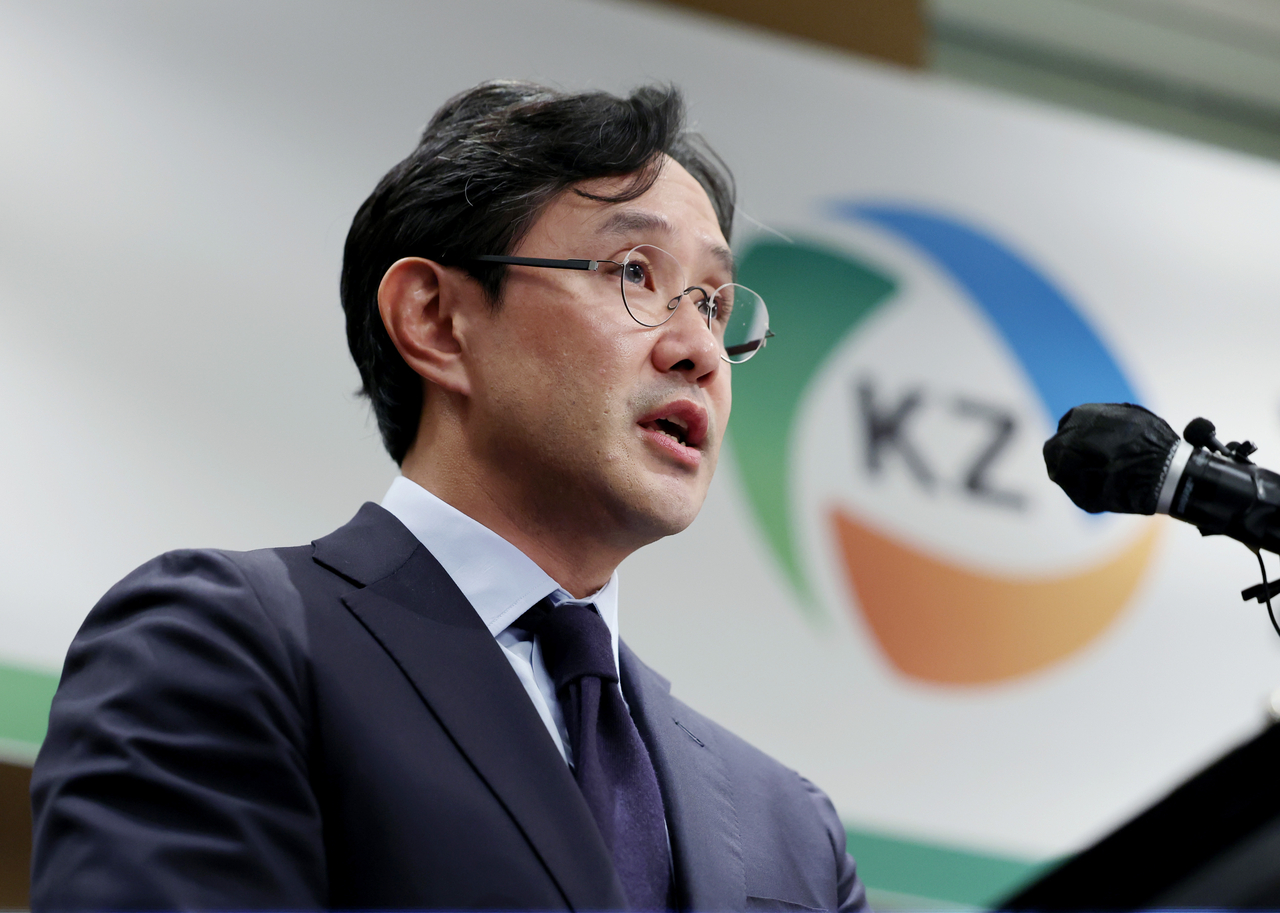
“Korea Zinc's management and employees are working together to overcome the confusion stirred by a hostile acquisition attempt and are putting the utmost efforts to increase the productivity of nonferrous metal smelting based on the world's best technology,” the firm said in a statement.
Since September last year, Korea Zinc's current management has been engaged in an ownership battle with a coalition forged by its largest shareholder, Young Poong and private equity firm MBK Partners.
The standalone annual earnings of Korea Zinc show that sales from its main products, such as zinc and silver, far exceeded the goal set by the firm at the beginning of 2024.
Sales of rare metals also increased. Antimony achieved sales of 170.5 percent of the initial sales target, with those of indium and bismuth recording 161.5 percent and 151.1 percent, respectively.
Previously, Korea Zinc said it aimed to improve profitability by increasing the recovery rate of rare metals with high sales profit margins. It also plans to flexibly respond to market conditions, focusing on bismuth, indium and tellurium, which China has newly imposed export restrictions on, following antimony.
The yearly revenue of Korea Zinc, which was reported separately from other affiliates, stood at 8.08 trillion won, up 10.9 percent from the previous year. Operating profit reached 818.1 billion won, with the annual operating profit rate at 10.1 percent.
hnpark@heraldcorp.com