South Korea's centuries-old papermaking tradition, known as hanji, is closer to UNESCO recognition after an evaluation body recommended its inscription on the Representative List of the Intangible Cultural Heritage of Humanity on Thursday.
The recommendation covers "Traditional knowledge and skills associated with the production of hanji and related cultural practices in the Republic of Korea."
The final decision will be made by the Intergovernmental Committee for the Safeguarding of the Intangible Cultural Heritage at its 21st session, scheduled for Nov. 30 to Dec. 5 in Xiamen, China. The committee rarely overturns recommendations made by its evaluation body.
If approved, hanji would join China's xuan paper, inscribed in 2009, and Japan's washi, added in 2014, among East Asia's recognized traditional papermaking practices.
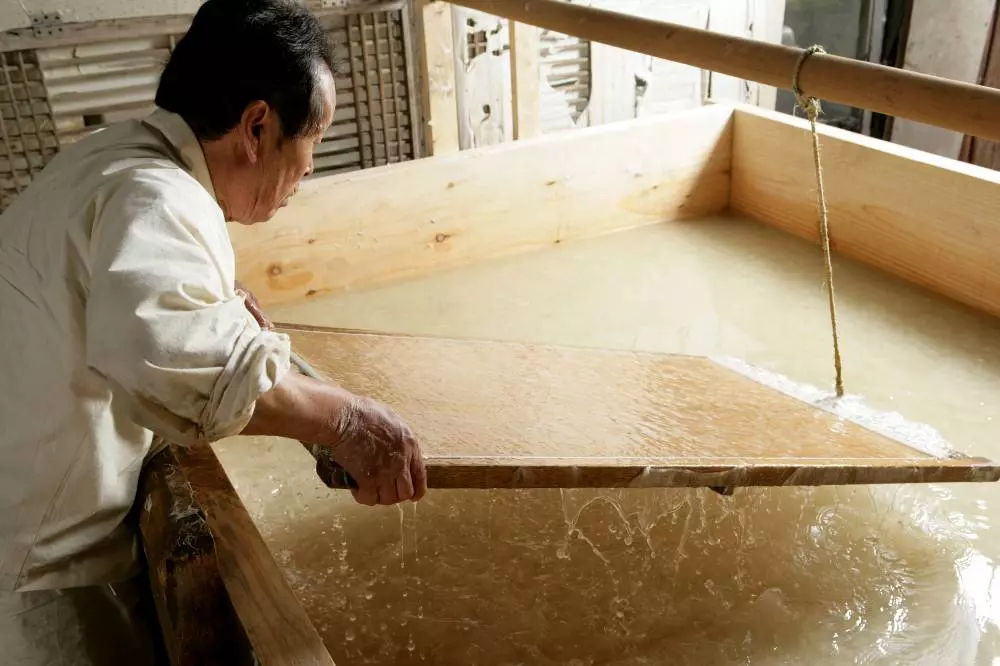
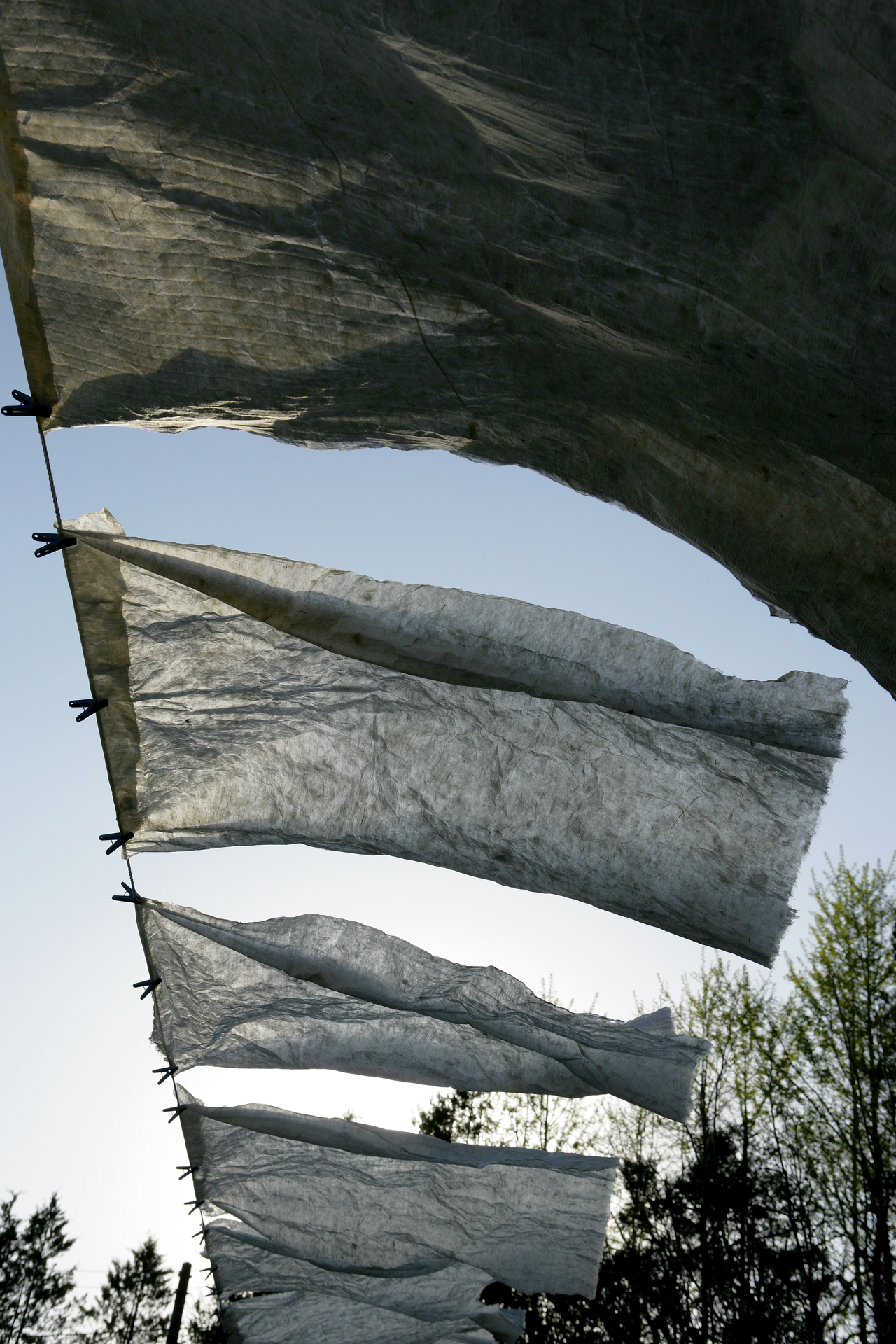
Made primarily from the inner bark of paper mulberry trees, hanji is known for its strength, flexibility and longevity. Its durability is closely linked to a distinctive Korean technique called "oebal tteugi," in which artisans move a bamboo screen back and forth and from side to side to distribute the fibers in intersecting patterns.
The method creates a dense, interwoven structure that makes the paper resistant to tearing and changes in temperature and humidity. The process also requires considerable skill, with sheets traditionally dried in the sun and then pounded to smooth their surfaces.
The paper is also made using "hwangchokgyu," a natural mucilage extracted from the roots of a hibiscus plant, which helps bind the fibers. Its plant-based composition gives hanji alkaline properties, helping it resist the deterioration that can affect acidic paper over time.
An old Korean saying holds that paper lasts a thousand years while silk lasts five hundred. One testament to hanji's longevity is the Mugujeonggwang Daedaranigyeong (Great Dharani Sutra of Immaculate and Pure Light), a Buddhist scripture printed more than 1,300 years ago and regarded as the world's oldest surviving woodblock-printed book.
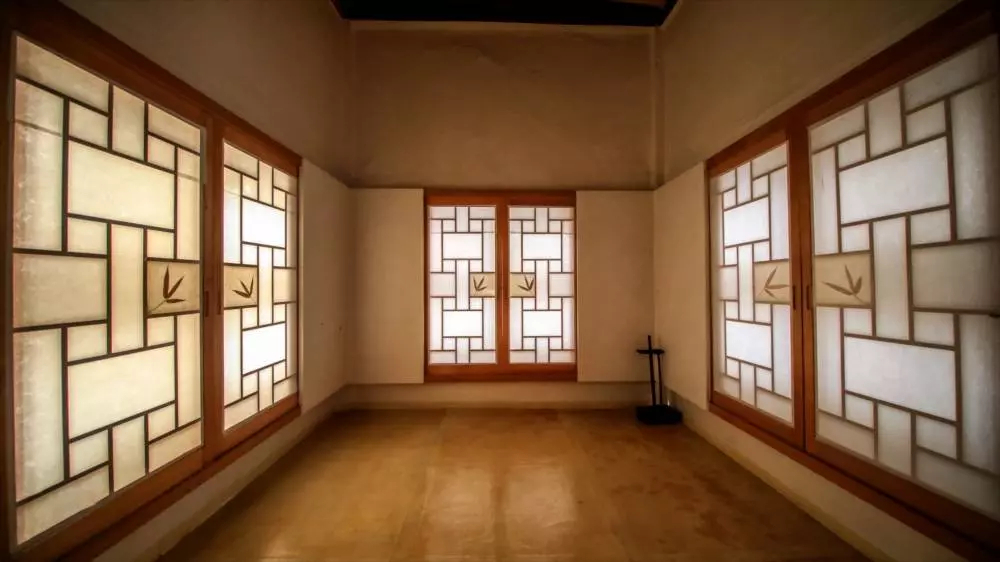
Hanji's uses have traditionally extended far beyond writing and printing: It was used in traditional Korean houses for windows and flooring; for paintings, calligraphy, household objects; and for ceremonial items. Its ability to allow air to circulate while retaining warmth also made it a practical material in traditional Korean architecture.
Its qualities have drawn interest from conservation institutions overseas. The paper has been used in the restoration of historic documents and artworks, including at the Louvre Museum in France, according to South Korean authorities.
More recently, researchers and manufacturers have explored applications ranging from speaker diaphragms and biodegradable clothing to advanced materials for aerospace use. Its light weight and resistance to environmental changes have prompted research into its potential as a protective or insulating material for spacecraft components.
The UNESCO nomination emphasizes that hanji is not simply a paper-making technique. It is also a community-based tradition sustained through generations of artisans, apprentices and residents in paper-producing villages across South Korea.
The craft involves a form of collective labor known as "pumasi," in which neighbors exchange work, particularly during labor-intensive stages such as harvesting and processing paper mulberry bark. Fourteen nationally or locally designated masters currently operate workshops across the country, according to the nomination file.
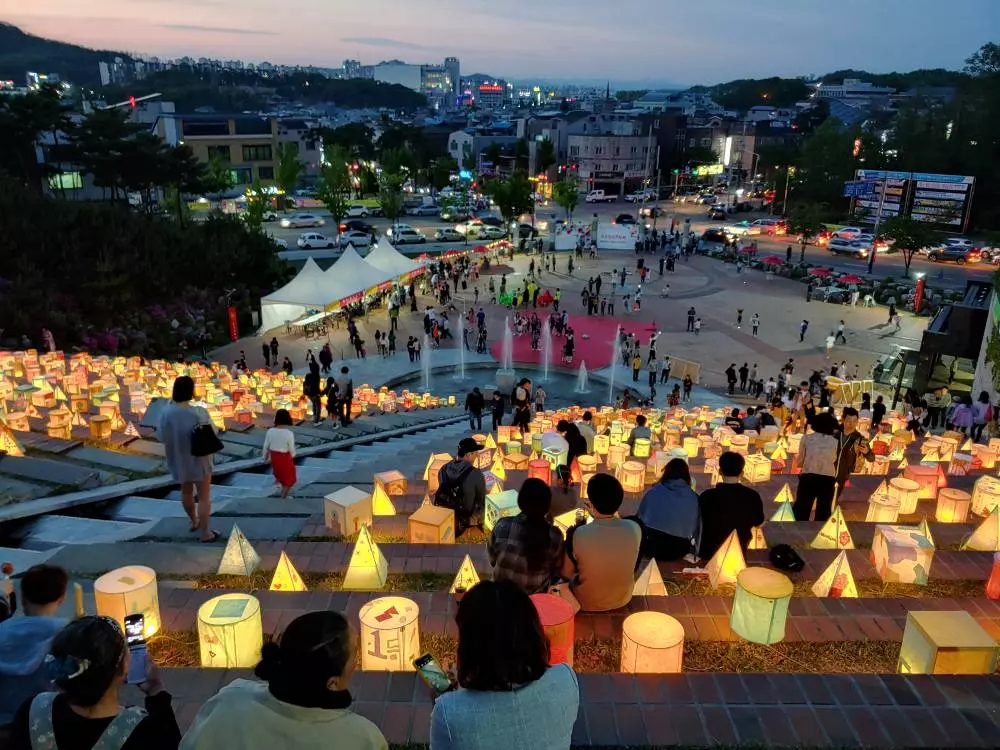
Efforts to pass on the tradition include apprenticeships, public workshops, festivals and a university-level Hanji Transmission School operated in cooperation with artisans. Local governments in areas including Jeonju, Wonju and Andong also organize annual festivals celebrating the craft.

The nomination was prepared with the participation of artisans and communities from several regions, including Gangwon, Gyeonggi, Gyeongsang and Jeolla provinces. The craft was designated a National Intangible Cultural Heritage in 2005.
For practitioners, international recognition would offer an opportunity to secure the future of a tradition facing challenges from an aging workforce and difficult working conditions.
"UNESCO inscription should not end with commemorating the past," said Lee Do-hee, a hanji artisan who helped lead the campaign. Lee called for greater support for traditional makers and efforts to expand the paper's artistic and industrial applications.
Kim Hyoung-jin, chair of the academic committee promoting hanji's inscription, said recognition should mark a new beginning, with priorities including restoring the production ecosystem, creating public demand and expanding the use of hanji as an environmentally friendly advanced material.
hwangdh@heraldcorp.com