
From helping farmers improve crop production in Mongolia to providing rehabilitation services in Rwanda, South Korean volunteers are working alongside local communities across the globe to promote sustainable development, an umbrella group for nongovernmental organizations said Wednesday.
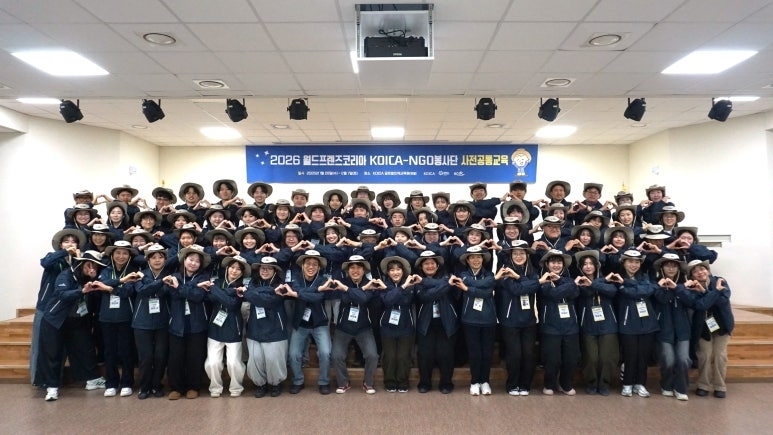
This year, 82 volunteers have been dispatched to 43 project sites in 20 countries under the World Friends Korea KOICA-NGO Volunteer Program, a joint initiative between the country's foreign aid agency, Korea International Cooperation Agency, and nongovernmental organizations, according to the Korea NGO Council for Overseas Development Cooperation.
Their activities come as the United Nations marks 2026 as the International Volunteer Year for Sustainable Development, drawing renewed attention to the role of volunteerism in addressing development challenges.
Launched in 2004, the program is a key component of World Friends Korea, the government's umbrella initiative for overseas volunteer programs. It draws on local NGO's established networks and field experience to deliver community-based assistance tailored to local needs.
Participants spend a year working alongside local partners in areas including agriculture, healthcare, education and public administration, sharing their expertise while helping communities build the skills and resources needed for long-term development.
This year's volunteers have brought a range of professional backgrounds and personal experiences to their assignments.
In Mongolia, volunteers are helping local farmers improve agricultural productivity through corn breeding, crop management and technical support, while also strengthening communities' long-term self-reliance.
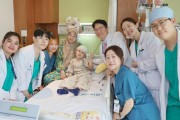
In Rwanda, volunteers support local healthcare services by providing physical therapy, rehabilitation education and training for medical personnel, while addressing practical barriers to patient care.
In Kyrgyzstan, efforts focus on improving educational opportunities for children with disabilities through adapted physical education programs, teacher training and broader support for disability welfare.
Meanwhile, in Guatemala, volunteers draw on digital media and fundraising expertise for public awareness campaigns and encourage greater community participation in local development initiatives.
Despite language and cultural barriers, they have focused on encouraging residents to take an active role in community initiatives rather than simply receiving outside assistance.
KCOC Secretary-General Jo Dae-shik emphasized that the volunteers' contributions go beyond provisional technical assistance.
"The volunteers are true agents of solidarity, sharing their lives with residents and growing together," Jo said in a statement. "Their work serves as a meaningful reminder of the value of volunteerism."
The volunteers began their assignments in February and are scheduled to continue their work through February 2027.
The initiative highlights South Korea's broader efforts to promote development cooperation through partnerships between government agencies, civil society organizations and local communities, with an emphasis on building lasting capabilities rather than providing short-term assistance.
mkjung@heraldcorp.com