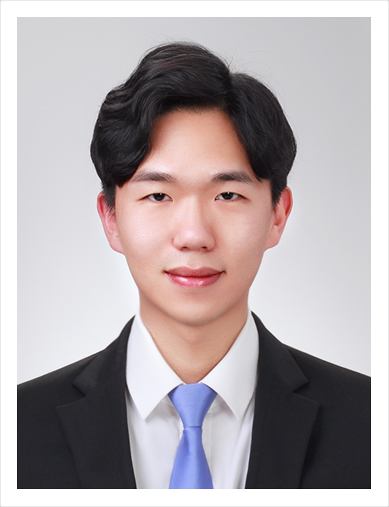

After Sanofi returned the drug's rights in 2020, Hanmi's vice chair steered its revival as Korea's first homegrown GLP-1 obesity treatment

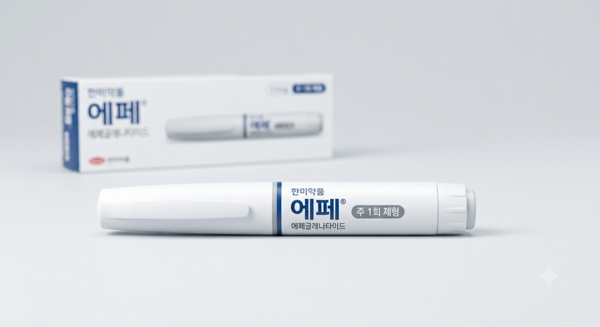
Hanmi Pharmaceutical’s launch of Korea’s first homegrown GLP-1 obesity drug, Eppe, marks a major milestone for Vice Chair Lim Ju-hyun, who turned a once-abandoned diabetes drug candidate into the centerpiece of the company’s obesity treatment ambitions.
The journey began in 2008, when Hanmi developed efpeglenatide, Eppe’s active ingredient, as a diabetes treatment under its late founder Lim Sung-ki.
In 2015, Hanmi licensed efpeglenatide and two other diabetes candidates to French drugmaker Sanofi in a deal worth up to 3.9 billion euros ($4.4 billion). But Sanofi returned the rights to efpeglenatide in 2020 as it shifted its development strategy.
Rather than abandon the drug, Hanmi made a bold pivot under Lim’s direction, repositioning it as an obesity treatment. The decision became a defining moment in her efforts to reshape the company’s future following her father’s death in 2020.
“It was not an easy decision at the time to pivot Eppe and redevelop it as an obesity treatment, but we made the difficult decision with the conviction that it could serve as an important opportunity for us to redefine our identity following the passing of our chairman emeritus,” Lim said at the launch of an internal task force overseeing Eppe’s commercialization in April.
“Eppe is more than just another GLP-1 obesity treatment entering the market. Its development embodies the identity of Hanmi and the values the company strives to uphold. It reflects Hanmi’s remarkable spirit of turning setbacks into new opportunities and engines of growth, rather than being discouraged by failure or giving up.”
The strategic shift came as Lim took a greater role in shaping Hanmi’s management and direction following her father’s death. It also unfolded amid a management dispute within the founding family and broader questions over how the company could sustain growth while preserving the research-driven identity established by its founder.
Under Lim’s leadership, obesity has since become one of Hanmi’s central research priorities. In September 2023, the drugmaker launched the Hanmi Obesity Pipeline, or H.O.P., project to build a portfolio of treatments targeting obesity and metabolic diseases rather than relying on a single drug candidate.
The strategy gained momentum in August, when Hanmi licensed HM17321 to Genentech, a subsidiary of Roche, in a deal worth up to $2.3 billion, including a $190 million payment. The agreement marked one of the largest licensing deals in Korea’s biopharmaceutical industry.
HM17321 is a potential first-in-class treatment designed to promote weight loss while preserving lean body mass.
Following approval by the Ministry of Food and Drug Safety earlier this month, Eppe is expected to become available by prescription before the end of October.
The weight-loss injection is expected to start at around 130,000 won ($98) for a four-week supply at the lowest dose, roughly half the price of Eli Lilly’s Mounjaro at its starting dose. Mounjaro currently dominates Korea’s obesity drug market.
Hanmi points to Eppe’s slow-absorption technology, potentially fewer gastrointestinal side effects, cardiovascular and renal benefits, Korean clinical data and more affordable pricing as its key differentiators.
“Hanmi has always found new innovation in times of crisis, growing by boldly taking on challenges that no one else has ventured into,” Lim said.
“Hanmi Pharmaceutical is simultaneously researching potential areas for improvement and challenges that may arise during the weight-loss process. We will continue to forge new paths rather than rest on our achievements, so that we can offer tangible hope for healthier lives to the public.”
hwkan@heraldcorp.com