

Authorities do not separately track reoffending among life-sentence parolees, as debate over life without parole reignites
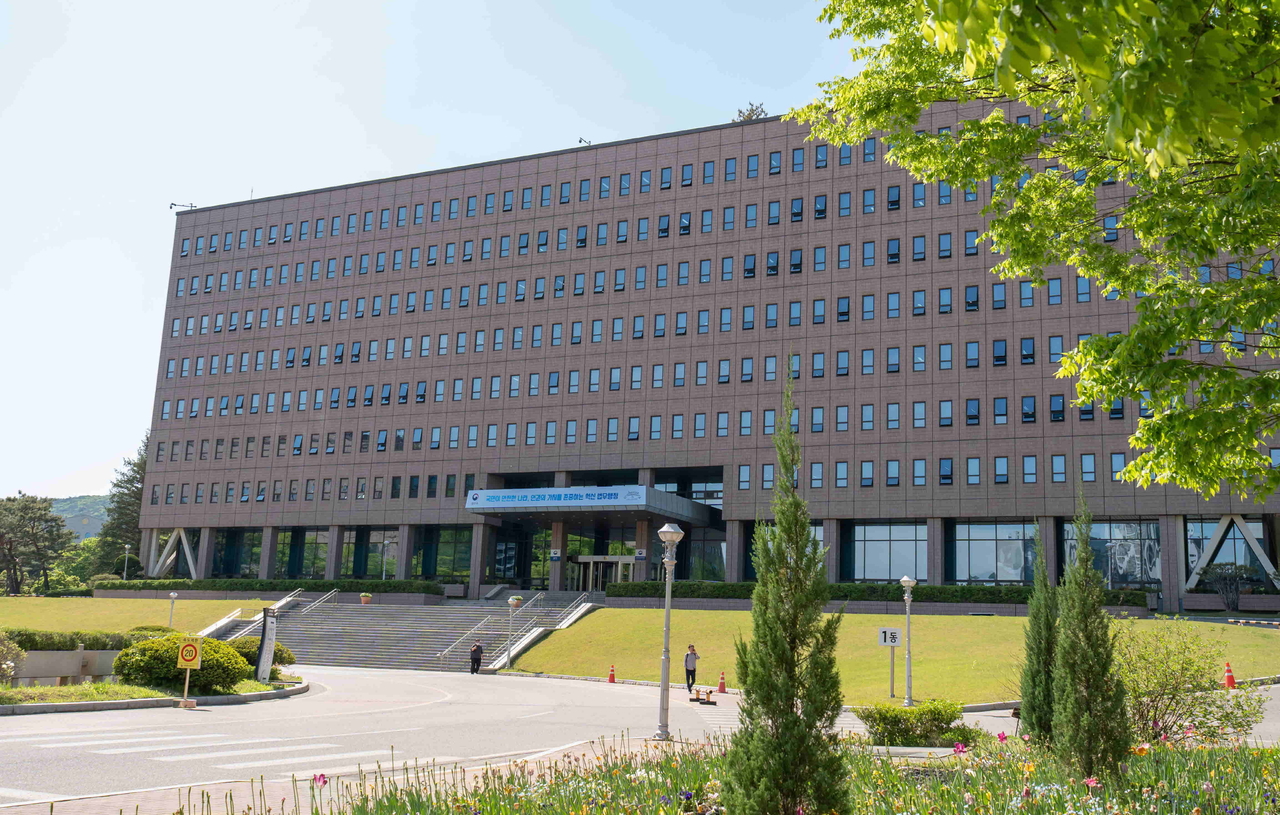
About 95 percent of prisoners serving life sentences who were paroled in South Korea over the past decade had been convicted of murder-related offenses, Justice Ministry data obtained by Rep. Seo Young-kyo of the ruling Democratic Party of Korea showed.
The figures come amid renewed debate over life imprisonment without parole. Current law allows those sentenced to life imprisonment to be considered for parole after 20 years, but authorities do not separately track reoffending among those released.
Of the 151 people serving life sentences who were paroled from 2017 through September 2026, 144 had been convicted of crimes including murder, robbery-murder and rape-murder. The remaining seven had been convicted of robbery resulting in death, attempted robbery-murder or attempted murder.
All 13 such prisoners paroled through September this year had committed murder-related crimes.
Under Article 72 of the Criminal Act, parole may be granted after 20 years if a prisoner has maintained good conduct and shows clear remorse.
Seo called for punishments to reflect the severity of violent crimes, arguing that offenders convicted of particularly heinous crimes who show little prospect of rehabilitation should be permanently isolated from society.
Justice Ministry says screening remains strict
The Justice Ministry said Thursday that its efforts to expand parole to ease prison overcrowding did not mean screening standards had been relaxed.
Reviews consider the severity of the crime, time served, conduct in prison, the views of victims and bereaved families, as well as the risk of reoffending, the ministry said. It added that parole is granted selectively after close review.
“If someone is paroled and then does something wrong, there will be an uproar. We need to examine cases closely,” a ministry official told The Korea Herald.
Eight of the 13 prisoners sentenced to life and later paroled this year had serious illnesses, including cancer or dementia, the ministry said. It also cited aged prisoners who had served lengthy terms, with their average age being 71 years old.
The ministry said those granted parole had been assessed as posing a low risk of reoffending, citing their health, age and lengthy incarceration.
Life-sentenced parolees convicted of certain offenses are generally required to wear electronic monitoring devices after assessment by a probation review committee.
Exceptions include foreign nationals facing deportation and people whose serious illnesses leave them effectively unable to move, the ministry said.
Probation officers supervise parolees under electronic monitoring to ensure they comply with conditions set by the committee, including restrictions on going out.
The ministry pledged to strengthen screening and supervision, taking greater account of court opinions and sentencing reasons, the social impact of release and the risk of reoffending.
How reoffending is tracked
The Korea Correctional Service does not calculate separate recidivism for parolees serving life sentences.
Instead, it tracks the share of parolees overall who return to prison within three years of release to serve a new custodial sentence for a crime.
By year of release, the three-year recidivism rate was 7.4 percent for parolees released in 2012, 6.5 percent in 2013, 6.7 percent in 2014, 7.3 percent in 2015, 6.8 percent in 2016, 6.0 percent in 2017, 7.3 percent in 2018, 6.8 percent in 2019, 6.2 percent in 2020 and 5.9 percent in 2021.
shwang9@heraldcorp.com