
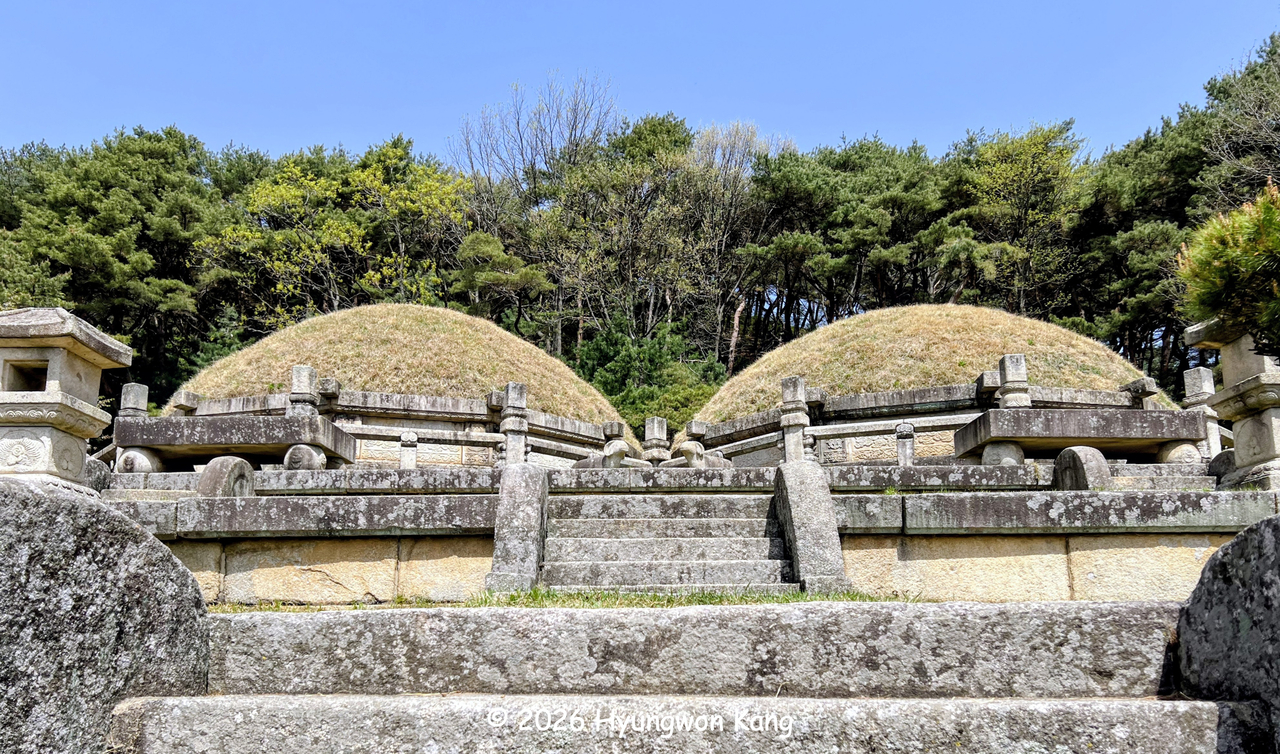
This spring in Kaesong, I stood before Hyonjongnung, the paired tombs of King Kongmin and Princess Noguk.
Their symmetrical burial mounds, carved stone screens and guardian figures preserve the aesthetics and engineering of late Goryeo (sometimes spelled Koryo). Today, they form part of UNESCO’s Historic Monuments and Sites in Kaesong.
Wang Gi (1330–1374), a 12th-generation descendant of Goryeo founder Wang Kon (also known as Taejo of Goryeo), became the dynasty’s 31st king in 1351, 17 years before the Yuan dynasty collapsed. Later known as King Gongmin, he sought to restore political autonomy and confront aristocratic families that had accumulated land and slaves.
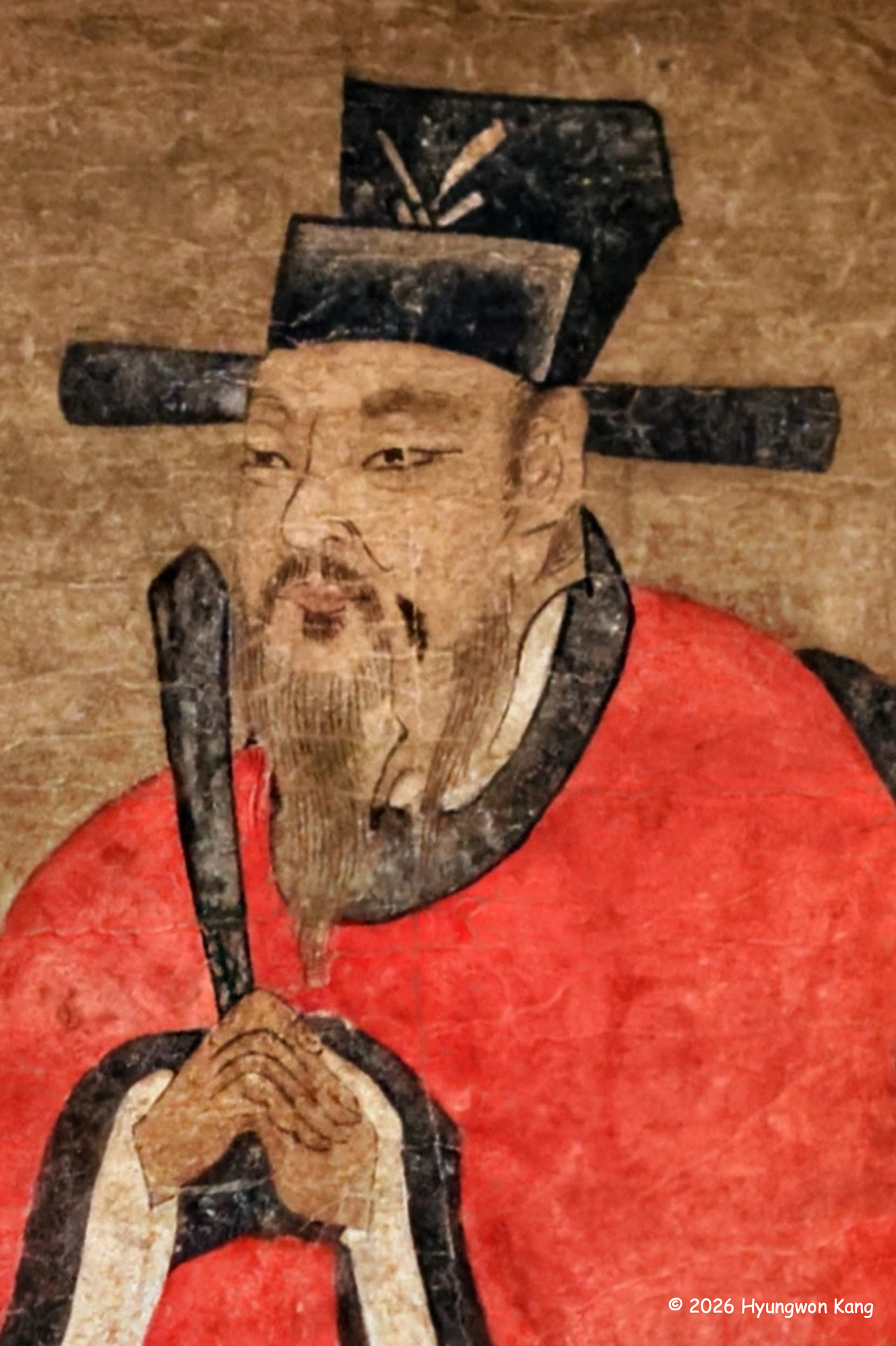
Goryeo and Yuan were bound by royal marriages. Gongmin spent much of his youth at the Yuan court and married Princess Noguk of its imperial family. Yet he pursued reforms intended to free Goryeo from her dynasty’s political influence.
As the Yuan dynasty declined and the Ming dynasty rose, Goryeo had to protect its interests between a collapsing great power and an emerging one. There is an echo in South Korea’s efforts today to maintain its US alliance while managing relations with China.
Gongmin also faced threats from within. In 1363, assassins attacked his temporary palace at Hungwangsa. The eunuch An Do-chi, who reportedly resembled the king, served as a decoy, allowing Gongmin to escape while he was killed in the king’s place. Whom could the king trust?
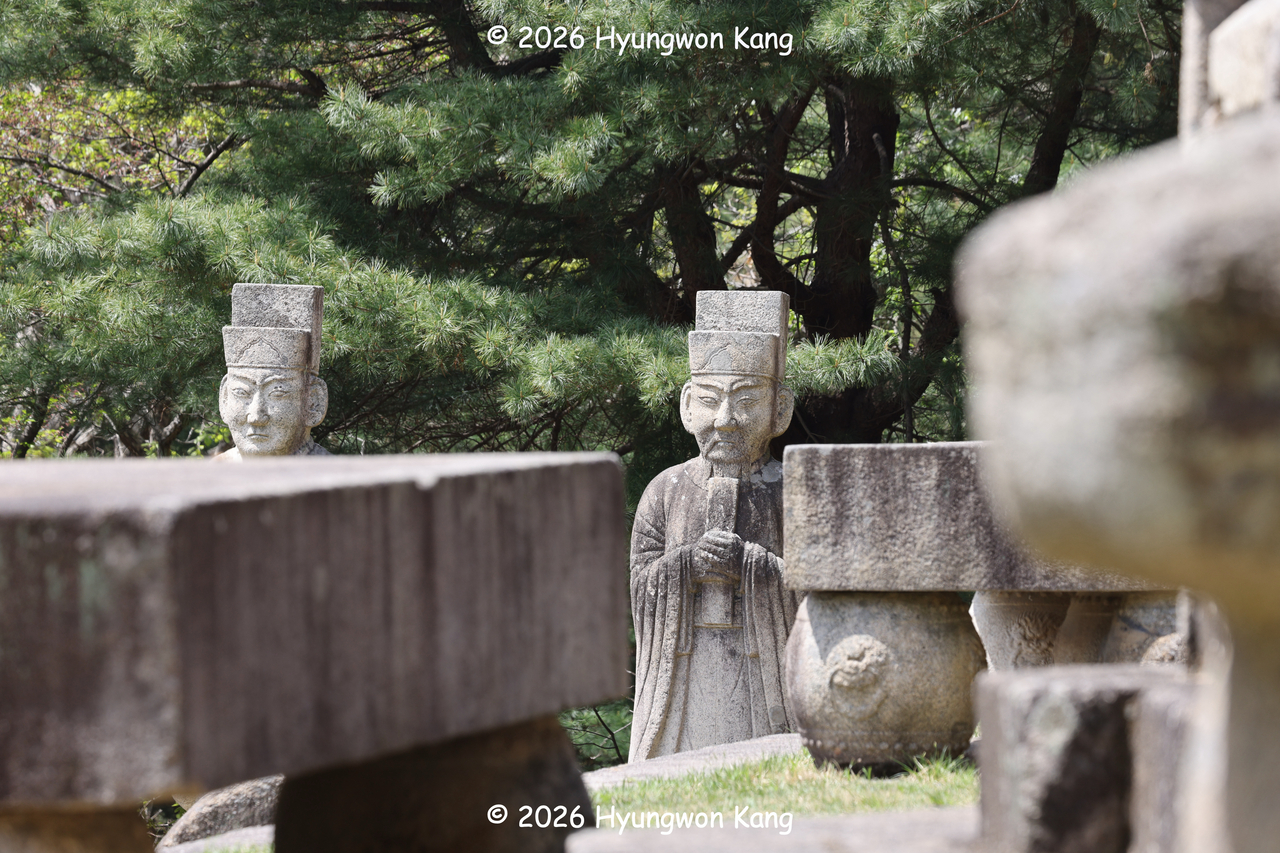
Reform ultimately depends on people.
Gongmin turned to the Buddhist monk Sin Don, an outsider to aristocratic networks, and gave him sweeping authority across civil, military and religious affairs.
In 1366, Sin Don used the Jeonmin Byeonjeong Dogam, the Directorate for the Rectification of Land and Slaves, to return illegally seized land and restore the status of people wrongfully reduced to servitude. His reforms challenged the economic foundations of aristocratic power.
Resistance was intense. As Sin Don’s authority grew, so did criticism and suspicion. His relationship with Gongmin deteriorated, and he was eliminated in 1371.
Finding capable reformers is difficult. Giving them enough authority while maintaining checks may be harder.
Modern governments face similar administrative questions.
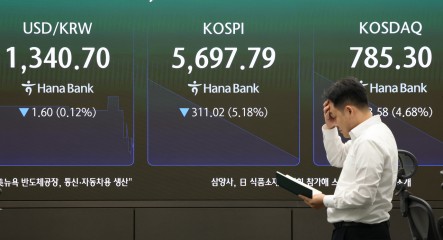
During US President Donald Trump’s second term, several officials have held overlapping roles. Secretary of State Marco Rubio also serves as national security adviser and was once the acting archivist of the United States. Transportation Secretary Sean Duffy also once served as acting NASA administrator, while Treasury Secretary Scott Bessent also previously served as acting IRS commissioner.
Meanwhile, the administration has sharply reduced staffing. The US Government Accountability Office reported that the workforce at 22 major federal agencies declined by nearly 256,000 employees, or more than 11 percent, from December 2024 to January 2026.
Concentrating responsibility raises questions about capacity, accountability and reliance on trusted individuals.
South Korea's President Lee Jae Myung, who survived a knife attack in 2024, faces resistance over judicial reform, appointments and a proposal to integrate the Army, Navy and Air Force academies.
The government argues that integration would strengthen joint-service education and reduce duplication. Critics question the plan’s design and pace. Beyond powerful alumni loyalties lies a larger question: How should Korea preserve service-specific expertise while preparing commanders to operate jointly?
A sound rationale alone cannot ensure success. Governments must explain change, persuade those affected and maintain public trust. Personnel failures and confused implementation can undermine an entire agenda.
These political systems differ fundamentally. Yet resistance, trust and the limits of concentrated authority remain recurring concerns.
Gongmin never completed his reforms. After Princess Noguk died in 1365, he designed her tomb and planned his own beside it. A distinctive feature of his design was an opening between the two burial chambers, traditionally said to unite the king and queen in the afterlife. He was assassinated in 1374.
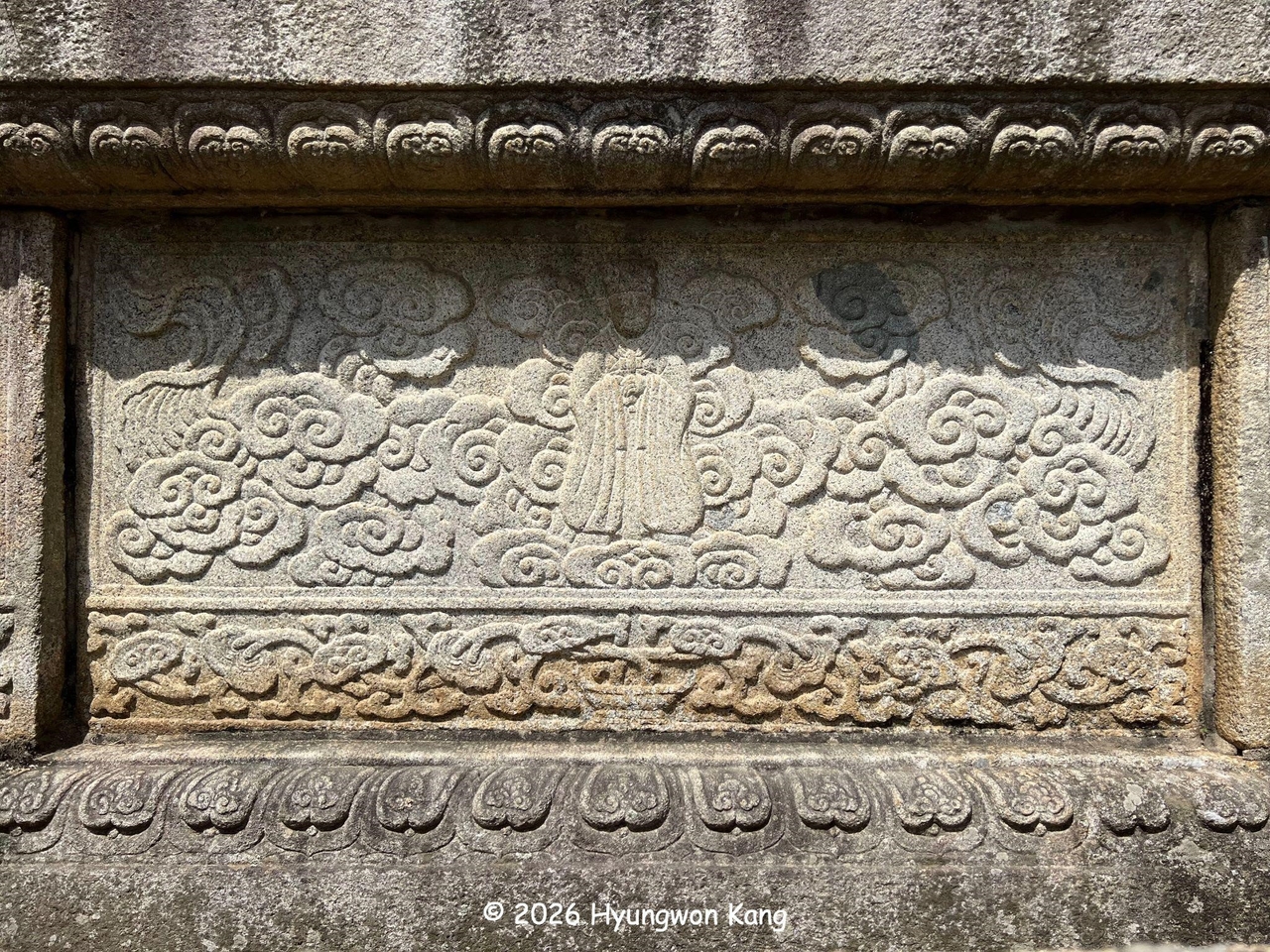
His memory outlasted Goryeo. After Yi Seong-gye founded Joseon in 1392, Gongmin was still commemorated. A portrait of him and Princess Noguk hangs in a dedicated shrine within Seoul’s Jongmyo grounds. In North Korea, he is commonly called King Kyonghyo, reflecting his posthumous Goryeo title.
Standing before the twin tombs, I thought about politics today. Reform requires capable people, sufficient authority, effective checks and public trust.
Perhaps that is one of King Gongmin's oldest lessons.
By Hyungwon Kang
Hyungwon Kang is a Korean American photojournalist, columnist, author and two-time Pulitzer Prize winner. He reported from North Korea in 1995, 1997 and 2026. Kang is the author of "Visual History of Korea" and "Seonbi Country Korea, Seeking Sagehood." His ongoing Visual History of Korea project documents Korean history and culture across the Korean Peninsula for global audiences. He currently teaches “Visual Literacy A to Z” at Dongguk University.
The views expressed in this article are the writer’s own. — Ed.
cheesuk@heraldcorp.com