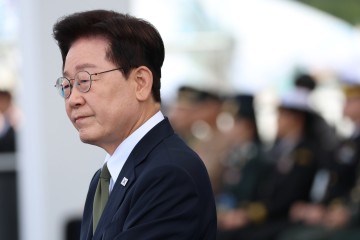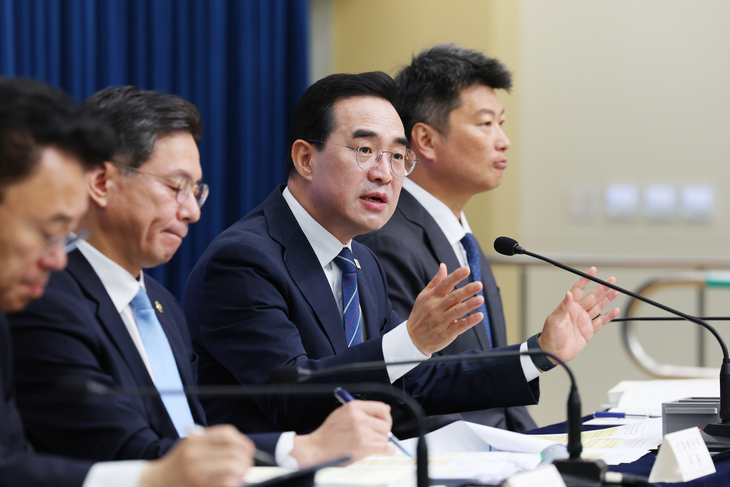
A semiconductor boom is a curious time to discover a taste for fiscal restraint. As global demand for artificial intelligence lifts corporate earnings, South Korea’s tax coffers are swelling. The Lee Jae Myung administration wants to capture part of that windfall in a new fiscal fund exceeding 100 trillion won ($72.1 billion).
반도체 호조를 누리고 있는 시기에 긴축 재정에 관심을 갖는다는 것은 호기심을 불러일으킬만 하다. 세계적인 인공지능 수요로 기업 이익이 늘어나면서 한국의 세수 재원은 크게 증가하고 있다. 이재명 정부는 그 뜻하지 않은 수익의 일부를 100조원이 넘는 새로운 재정지금의 형식으로 확보하고자 한다.
The Future Response Fund, unveiled Friday, reflects the government’s effort to turn cyclical peaks into a long-term investment vehicle. The basic idea is sound, but the fund has raised a host of concerns.
금요일 발표된 미래대응기금은 주기적인 호황을 장기 투자 수단으로 전환하려는 정부의 노력을 반영한다. 기본 개념은 타당하나 해당 기금은 일련의 우려를 낳았다.
One concern is that the government could get into the habit of using the fund as a general-purpose spending account.
그중 하나는 정부가 이 기금을 쌈짓돈처럼 사용하는 습관이 생길 수 있다는 것이다.
The government distinguishes “windfall revenue” from ordinary surplus revenue. The former is tax income above a 10-year trend in domestic taxes, while the latter reflects collections exceeding the government’s forecast for the current year.
정부는 "일시적 초과 수입"을 일반 잉여 세수와 구분한다. 전자는 최근 10년 연평균 추세치를 넘어서는 세수로, 후자는 올해 정부 전망치를 초과한 세수로 규정한다.
Windfall revenue would flow into the fund during good times, with money available to the general account when revenues fall below trend. Idle funds could also be professionally invested for returns above government bond yields.
추가 세수는 호황에는 해당 기금으로 유입되고 수입이 추세치 이하로 떨어지면 일반회계로 전출된다. 유휴 자금은 국채 수익률 이상의 성과를 내기 위해 전문적으로 투자될 수도 있다.
That architecture deserves more scrutiny than its tidy labels suggest. Semiconductor cycles typically last three to five years. A 10-year average may smooth volatility, but it can also make an exceptional boom look like a new fiscal normal. If chip demand weakens or supply chains are disrupted, the revenue feeding the fund could fade while spending plans remain.
그럴듯한 명칭이 시사하는 것보다 더 면밀히 그 구조를 검토할 필요가 있다. 반도체 주기는 통상 3-5년간 지속된다. 10년 평균은 변동성을 완화시켜줄지 모르나 한편으로는 예외적인 호조가 새로운 재정적인 기준처럼 보이게 할 수도 있다.
The proposed uses of the fund create another problem. Frontier AI, physical AI infrastructure, small modular reactors, nuclear fusion, aerospace and other seed technologies are plausible candidates for a strategic investment vehicle.
제시된 기금 사용처도 또다른 문제를 제기한다. 최첨단 AI, 피지컬 AI 인프라, 소형 모듈 원자로, 핵융합, 우주항공 및 여타 초기단계 기술들이 전략적 투자 수단의 유력한 후보들이다.
However, youth cultural and sports passes, housing subsidies and rural basic income are harder to justify. Such programs may have merit, but they belong in the ordinary budget, where their costs and effectiveness can be assessed against competing priorities instead of being tied to cyclical chip windfalls.
그러나 청년 문화스포츠 패스, 주택 보조금, 그리고 농어촌 기본소득은 정당화하기 더 어렵다. 그러한 사업들은 가치는 있겠으나 주기적인 반도체 추가 수입에 연동되는 것이 아니라 비용과 효율성을 두고 다른 우선순위들과 비교해 평가되는 일반 예산에 속한다.
The fund’s governance is equally important. Although its annual plan would face parliamentary review, existing fund rules allow changes to major spending items within a 20-30 percent range without prior National Assembly approval.
해당 기금의 운영체제 또한 마찬가지로 중요하다. 국회가 연간 계획을 검토하기는 하겠으나 기존의 기금 법률은 국회의 사전승인 없이 주요 지출항목 20-30퍼센트 범위에서는 변경을 허하고 있다.
The government presents this as a way to respond quickly to unforeseen economic needs. But it could instead become a form of permanent supplementary budgeting, allowing fiscal expansion with a lighter legislative check.
정부는 예측하지 못한 경제적 필요에 대응하는 방식으로 이를 내세운다. 그러나 오히려 영구적인 추가예산의 형태가 되어 입법부의 견제를 덜 받는 재정확장을 가능케 할 수 있다.
The overhaul of education finance is more defensible. Alongside the Future Response Fund, the government announced a plan to end the 55-year-old automatic allocation of 20.79 percent of domestic taxes to local education offices. This rightly reflects Korea’s shifting demographic reality.
교육 재정 개편은 더 명분이 있다. 미래대응기금에 덧붙여 정부는 55년간 지방교육청에 내국세의 20.79퍼센트를 자동으로 배정해온 연동구조 폐지 계획을 발표했다. 한국의 인구통계학적 현실의 변화를 제대로 반영한 계획이다.
There is one more omission in the future fund plan that cannot be treated as a footnote: debt. Last year alone, Korea’s national debt rose by 129 trillion won and surpassed 1,300 trillion won.
미래기금계획에서 다루지 않는 또다른 사항 중 사족처럼 처리되서는 안되는 것이 부채다. 한국의 국가부채는 지난해만 129조원 늘어 1300조원을 넘어섰다.
Article 53 of the National Finance Act gives priority to debt redemption when surplus tax revenue occurs. With long-term bond yields elevated worldwide, Korea, without a reserve currency, should place a higher premium on a stronger sovereign balance sheet.
국가재정법 53조는 초과 세수 발생시 채무 상환에 우선순위를 두고 있다. 장기국채 수익률이 전세계적으로 상승하고 있는 가운데 기축통화를 보유하지 못한 한국은 더 튼튼한 국가 재무제표에 우선순위를 두어야 한다.
The better model may be closer to Norway’s capital-preservation approach, which protects the principal, invests carefully and spends only sustainable returns. Strategic industrial investment can then remain genuinely strategic, while welfare programs stay in the main budget and debt repayment stays a central fiscal obligation.
노르웨이의 자본 보존 방식에 좀더 가까운 모델이 나을 수 있다. 원금은 보존하고 신중하게 투자해 지속가능한 수익만을 지출하는 방식이다. 전략적인 산업투자는 진정으로 전략적으로 남을 수 있게 되고 복지사업은 본예산에 남아있을 수 있으며 부채상환이 가장 중요한 재정의무로 유지될 것이다.
A future fund can be a reservoir for growth. It should not become a reservoir for discretion. The semiconductor boom gives Korea a rare window to build a future-oriented industrial base without compromising its balance sheet.
미래기금은 성장의 잠재적 자원이 될 수 있다. 자유재량에 따른 자금이 되어서는 안된다. 반도체 호조로 한국은 재정을 희생하지 않고도 미래 지향 산업기반을 구축할 흔치 않은 기회를 얻었다.
The test will be whether the country uses the opportunity to build future capacity without spending away the buffer that makes that future more secure.
시험에 든 것은 한국이 미래를 더욱 든든하게 해줄 안전자산을 낭비하지 않고 이 기회를 미래역량을 쌓는데 사용할 수 있는지 여부다.
khnews@heraldcorp.com