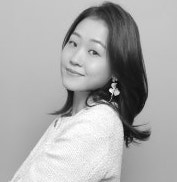
Four emerging conductors take the podium to explore artistry and demands of the profession
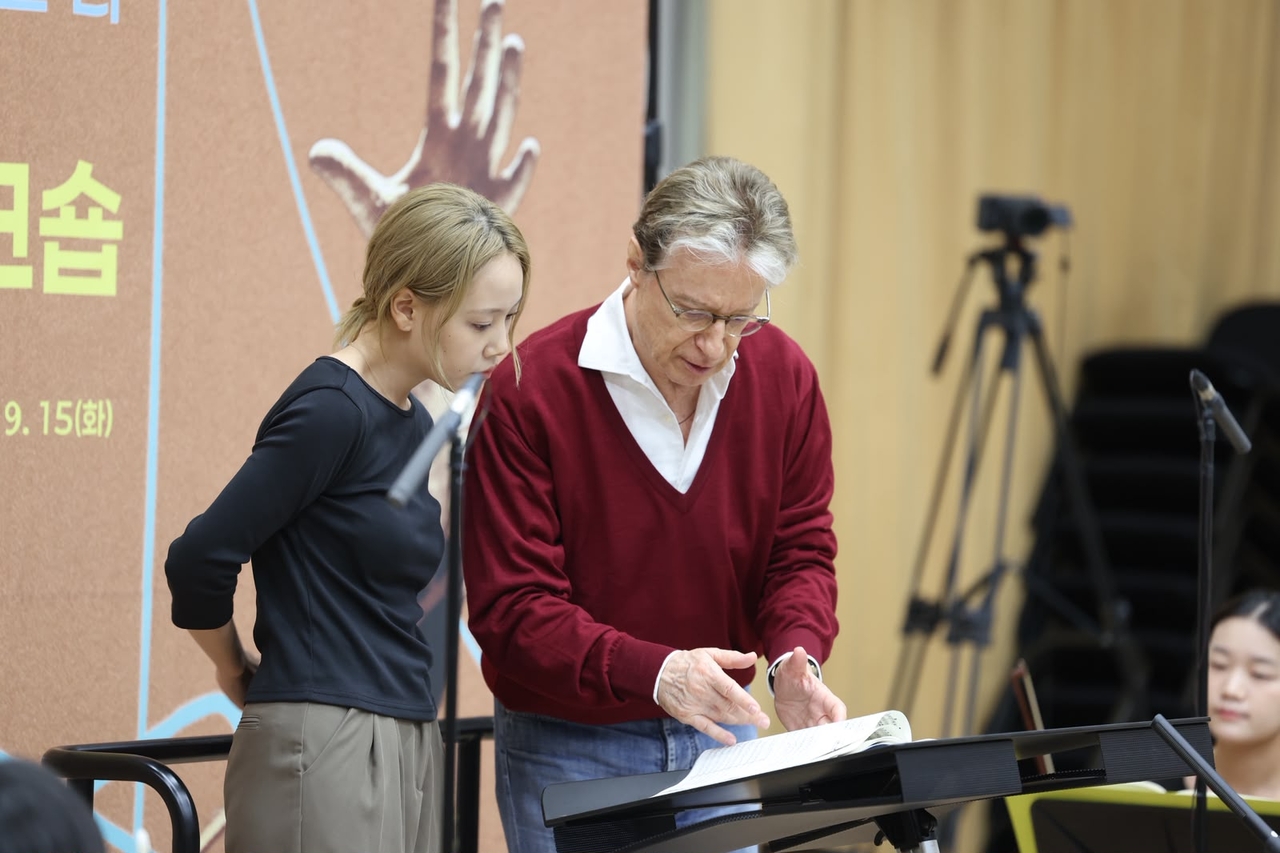
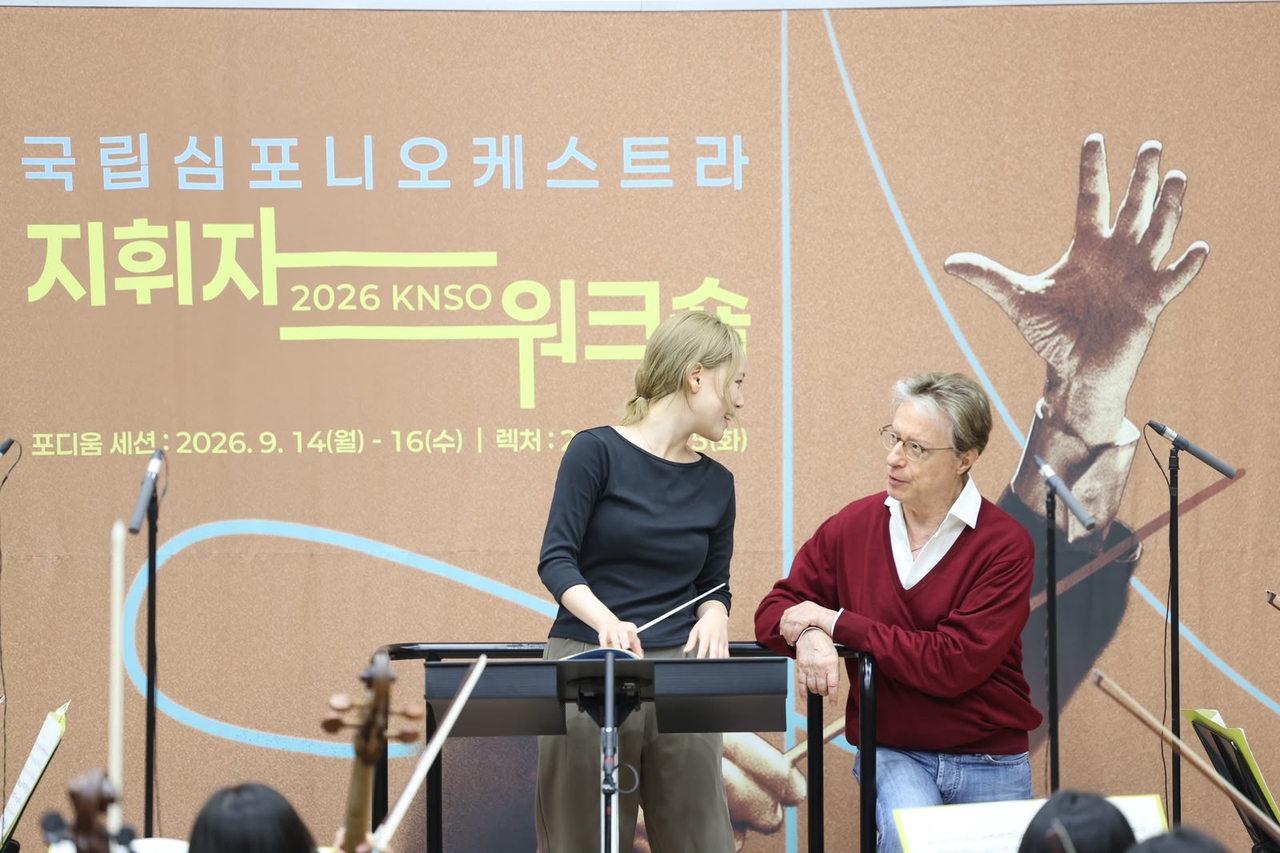
On the final day of a three-day conducting workshop in Seoul, Roberto Abbado had a message for the four young conductors standing before him: Stop thinking of yourselves as students.
“I don’t consider you students — you are not students at all,” Abbado told them. “I’m just experience, that’s it.”
It was a fitting summary of the approach Abbado, the eighth music director of the Korean National Symphony Orchestra, took at this year’s KNSO Conductor Workshop, held Sept. 14-16. Rather than trying to mold the four emerging conductors in his own image, the veteran Italian conductor said his role was simply to share what he had learned over a career spanning decades.
“I’ve seen four wonderful personalities, very different,” Abbado said. “I tried to stay out of their way.”
That emphasis on individuality lies at the heart of conducting — an art in which technique can be taught, but musical identity ultimately has to be developed by the conductor.
The four participants — Kwon Soo-jeong, Oh Seong-bin, Jeong Sun-woo and Choi Jae-hyuck — were selected from 37 applicants. All are at different stages of careers that already extend beyond Korea, studying or working with orchestras and institutions in Europe and the United States.
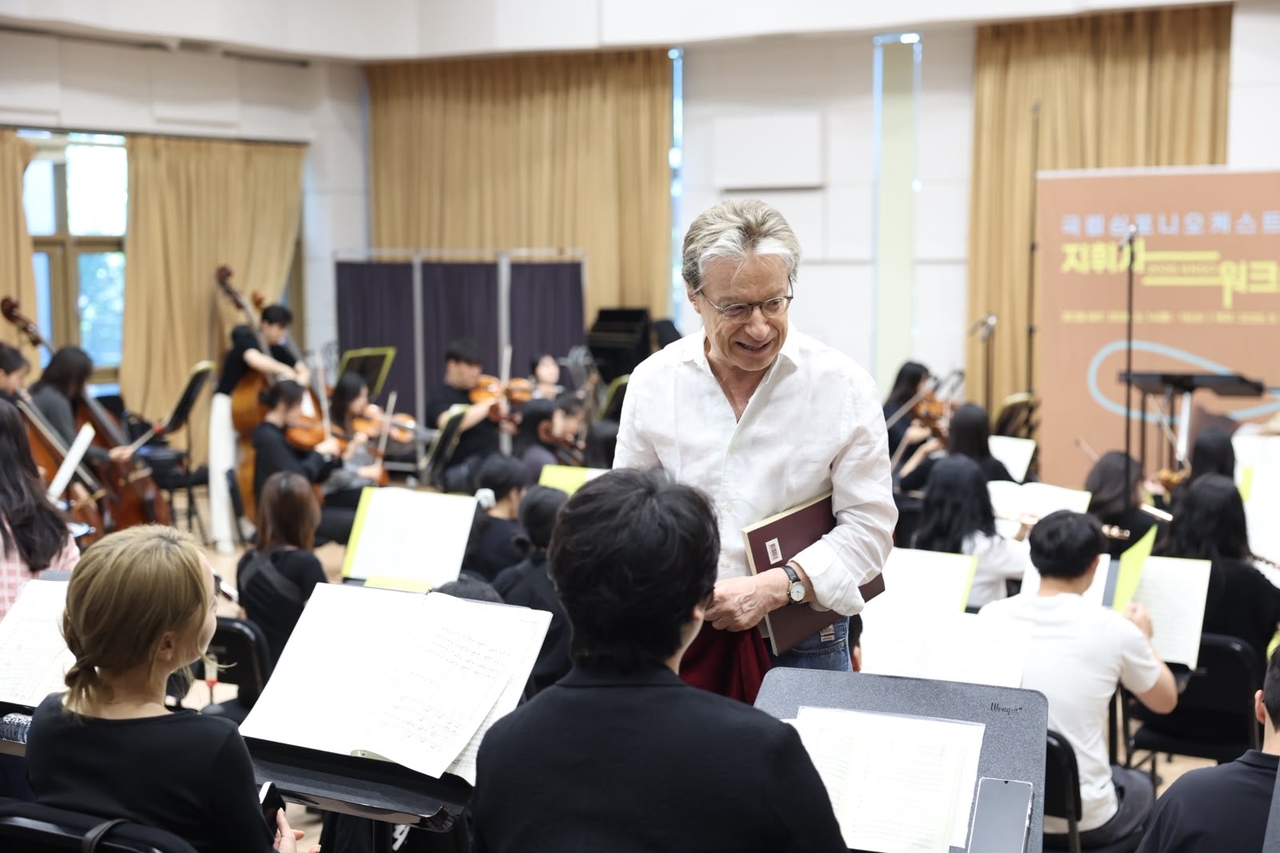
For three days, they took turns on the podium with the KNSO Academy Orchestra, conducting works and then watching recordings of their own performances. Abbado and Kim Noltemy, president and CEO of the Los Angeles Philharmonic, offered feedback after each session.
For the first time, the academy orchestra served as the workshop’s performing ensemble, meaning both the young conductors and the orchestra’s musicians could learn from the experience.
But the workshop was about more than beating time or refining rehearsal technique.
Noltemy, who joined the Los Angeles Philharmonic as president and CEO in 2024 and was attending a conducting workshop in Korea for the first time, spoke about the conductor’s role beyond the podium. In a lecture titled “The Conductor in the American Orchestra: An Expanded Role,” she discussed the leadership and organizational responsibilities increasingly expected of conductors.
That does not mean conductors need to become arts administrators, she said. But they do need to understand the environment in which orchestras operate.
“I don’t think they need to have that skill,” Noltemy said. “They need to understand that while the artistic matters are so important, it also has to operate in the world. So the business side matters, even though it may not be their number one concern.”
For young conductors hoping to build international careers, that broader perspective is increasingly important. Conducting is an unusually international profession, Noltemy said, with careers often spanning multiple countries, orchestras and musical traditions.
“It’s really about the people who are your mentors and who are your teachers,” she said.
The workshop also exposed participants to one of the profession's fundamental challenges: conducting musicians they have never worked with before.
“It’s much harder to conduct an orchestra you don’t know,” Noltemy said. “Even a few days is not enough to get to know the orchestra.”
Still, she said the four participants held their own. “I think they are on par with their colleagues in both the US and in Europe,” she said.
The workshop’s most concrete recognition went to Choi, who was selected by the SeAH Woon Hyung Lee Foundation as a promising young conductor and received a 2.5 million won ($1,800) scholarship.
But when asked what he would take away from the workshop beyond the award, Choi pointed to the music itself — specifically the chance to conduct Brahms’ Symphony No. 1.
“It’s a true honor,” he said.
His ambition going forward was simple: “To keep improving, and to stay humble before my music.”
Abbado offered the young conductors a similarly direct piece of advice.
“To be an artist is something difficult,” he said. “We all experience wonderful moments, but also criticism.”
“Please be strong inside yourself, and never give up,” he said. “I’m sure you will succeed.”
gypark@heraldcorp.com


