The bill comes as streaming platforms face limited scrutiny over how they calculate subscription fees
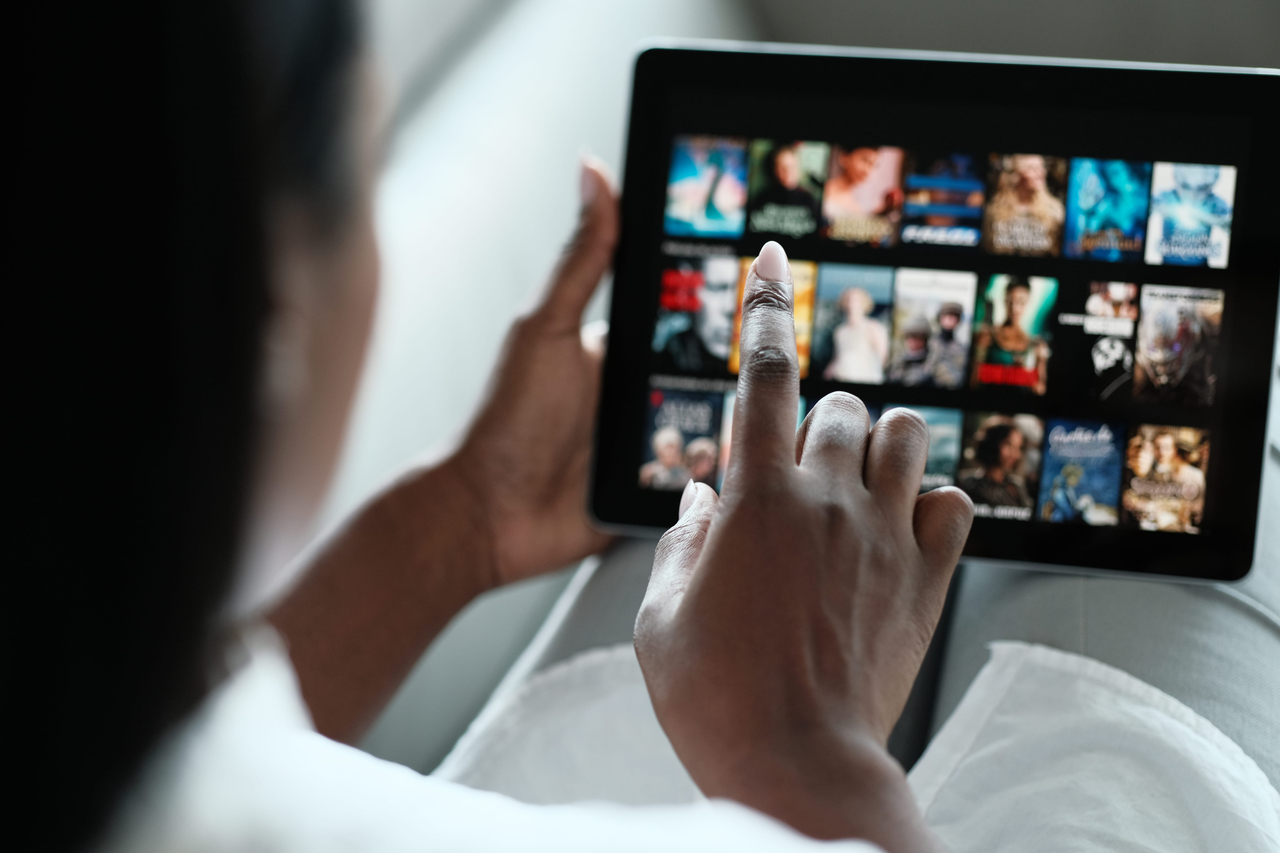
Streaming giants in South Korea may soon face stricter oversight on subscription rate hikes under a proposed amendment to the Telecommunications Business Act.
Introduced Sept. 16 by Rep. Lee Hoon-ki of the Democratic Party of Korea, the bill --currently open for public comment through Sunday -- would require streaming platforms to disclose the basis for their pricing when raising subscription fees.
The legislative proposal highlights the growing difficulty consumers face in understanding why streaming prices are rising and how these increases are calculated.
“Not only have prices been raised, but changes in terms and conditions that increase the burden on users, such as the introduction of paid account sharing and the reduction of lower-priced plans, have continued,” the proposal said.
“Yet clear explanations (for these measures) have not been provided, and there is little way of assessing their reasonableness because the basis for calculating fees is not disclosed,” it continued.
The proposal cited the growing prevalence of streaming services in Korea, noting that 81.8 percent of Koreans used streaming services in 2025, while 65.5 percent paid for them.
Despite their widespread use, the proposal argued that the government has taken little action to address potential harm caused by monopolistic or oligopolistic practices in the market.
To address this gap, the proposed amendment would require qualifying service providers, based on criteria such as revenue and the number of users, to report their terms of service to the Ministry of Science and ICT. They would also have to submit documents explaining how their fees were calculated.
When revising pricing or other terms, providers would be required to submit a comparison of the previous and revised terms, and once reported, post these terms on their websites
The proposal comes as major streaming platforms in Korea have raised their subscription fees in recent years.
Netflix raised the price of its ad-supported standard plan from 5,500 won ($4) to 7,000 won in May 2025, a 27.2 percent increase. Its basic plan rose from 9,500 won to 12,000 won, a 26.3 percent increase.
YouTube Premium, YouTube’s paid subscription service, has also seen its monthly price increase substantially over the years, rising from 8,690 won in 2019 to 14,900 won in 2026, logging a 71.5 percent increase.
A popular domestic streamer Tving, first raised its subscription prices in December 2023, with its monthly plans increasing by roughly 20 percent to 23 percent based on regular web prices.
The streaming platform subsequently raised the prices of its annual plans by about 20 percent a year later. Its annual basic plan, for example, increased from 94,800 won to 114,000 won.
Meanwhile, the bill would also seek to close a regulatory gap between traditional pay-TV operators and streaming platforms. While cable and IPTV operators must report their fees and terms of service to the government, streaming service providers are not subject to the same requirement, leaving regulators with limited oversight of how major streaming platforms set and raise their prices.
yoonseo.3348@heraldcorp.com