Cho seeks congressional backing for alliance commitments ahead of Rubio talks
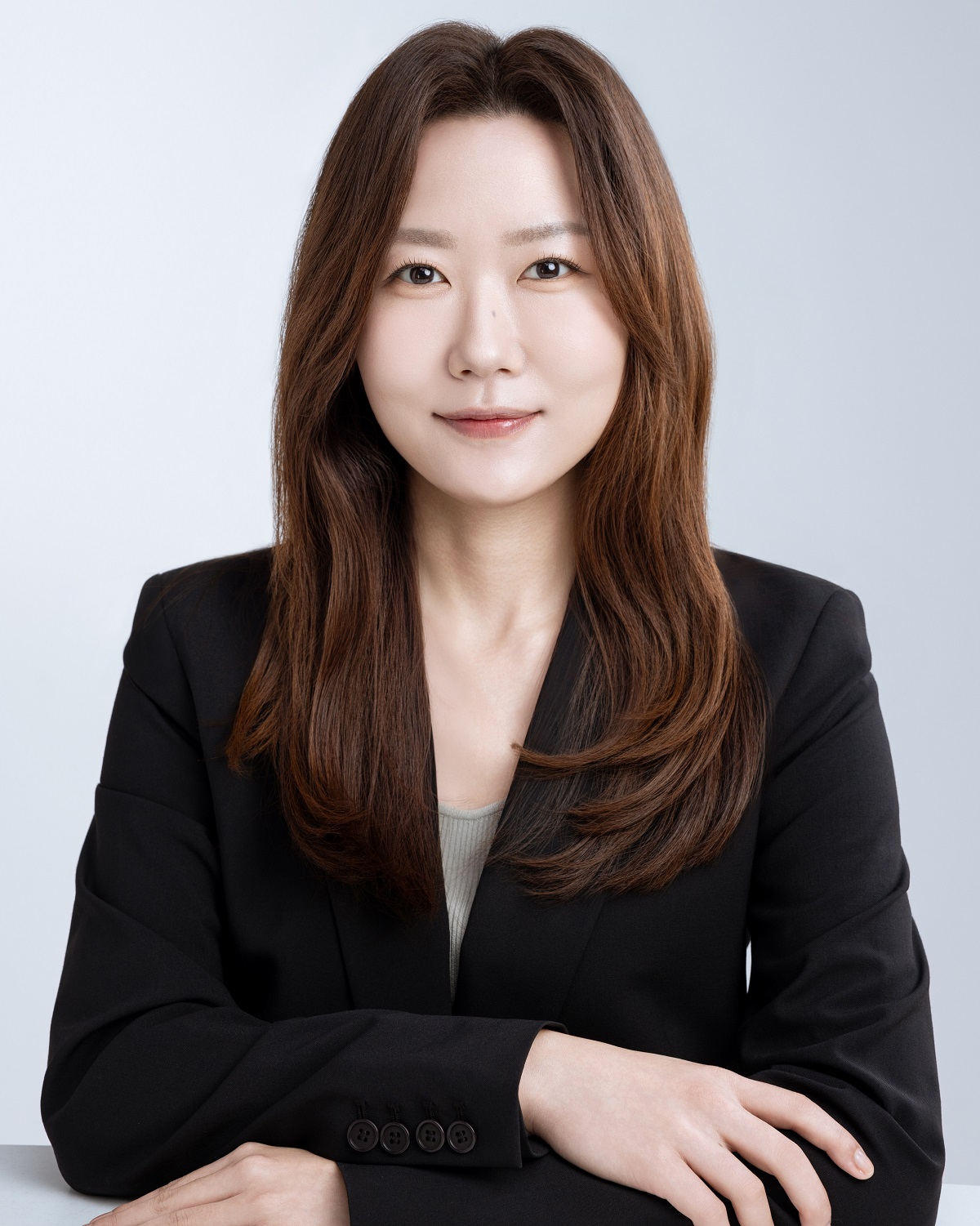
Foreign Minister Cho Hyun is set to meet US Secretary of State Marco Rubio in Washington on Friday for talks expected to focus on Seoul's $350 billion investment commitment and its potential contribution to security in the Strait of Hormuz, after President Lee Jae Myung laid out clear parameters on both issues.
Hours ahead of the meeting, Lee stressed during a press conference in Seoul that South Korea's national interests must be protected in negotiations over its US investment package and drew a line against any military contribution to the Strait of Hormuz that would involve Seoul in a war.
Cho, who arrived in Washington on Thursday for a three-day visit, is therefore expected to seek terms Seoul considers acceptable for the investment package while explaining the scope of South Korea's possible contribution to maritime security in the Middle East.
The meeting comes as Seoul and Washington seek to implement a series of economic and security commitments contained in their Joint Fact Sheet released following Lee's summit with US President Donald Trump in November.
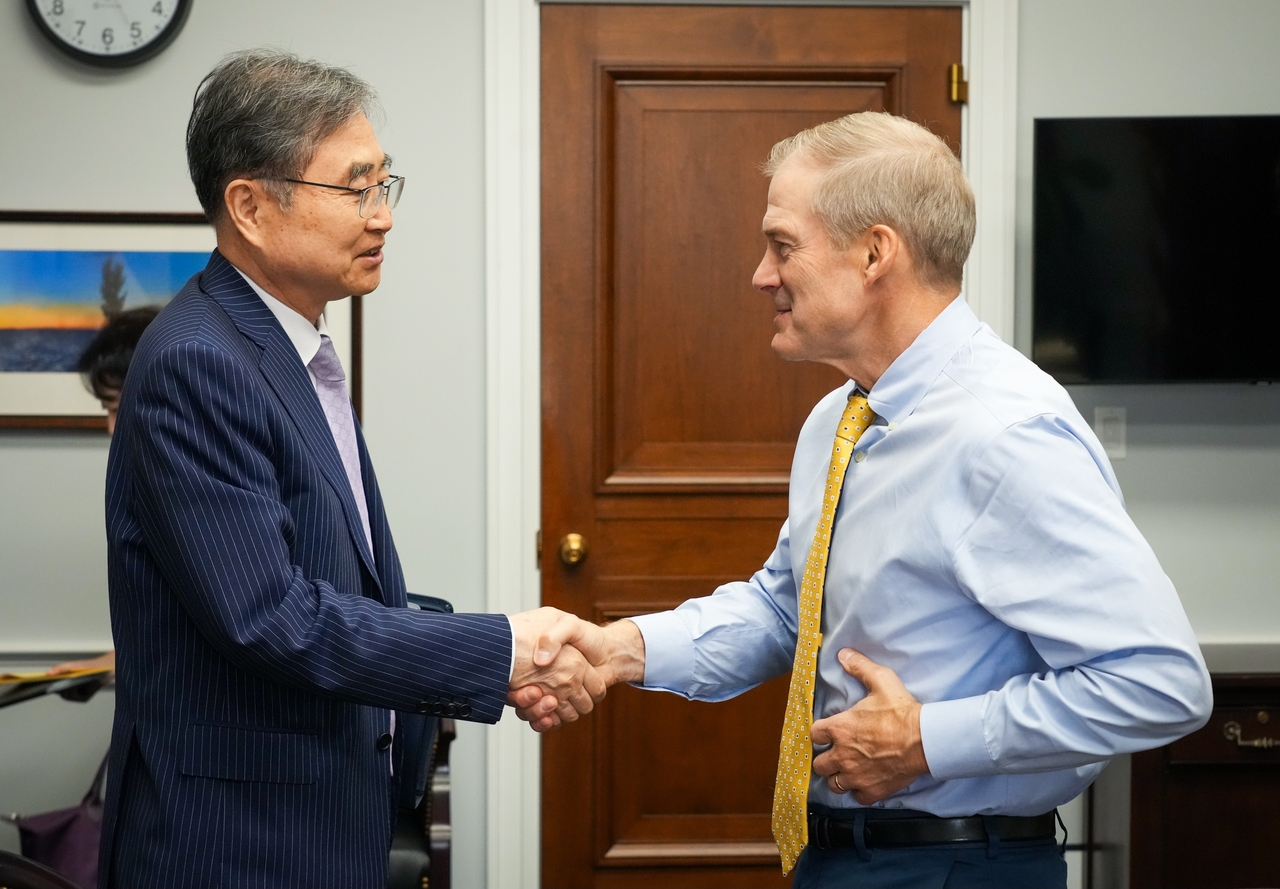
Ahead of his talks with Rubio, Cho met Thursday (US time) with Sen. Bill Hagerty (R-Tennessee), House Judiciary Committee Chair Jim Jordan (R-Ohio) and Rep. Gregory Meeks (D-New York).
Cho stressed to the lawmakers that closer coordination between Seoul and Washington has become increasingly important as the two allies navigate a shifting international security and economic landscape. He also sought congressional backing to translate commitments laid out in the Joint Fact Sheet into concrete measures, according to Seoul's Foreign Ministry.
Cho's outreach to Congress this week has focused on building broader US support for the alliance and implementation of the bilateral agreements.
In his meeting with Hagerty, Cho received assurances of continued backing for Seoul's efforts to deepen trilateral cooperation with Washington and Tokyo, as well as for South Korean businesses with operations in Tennessee, according to the Foreign Ministry. Jordan, meanwhile, emphasized maintaining mutual trust in managing outstanding bilateral issues and advancing cooperation between the allies.
Meeks highlighted the need for close coordination between Seoul and Washington on regional peace and security, while reaffirming bipartisan congressional backing for the alliance. Cho, for his part, stressed the importance of maintaining close engagement with both the US administration and Congress and sought continued congressional cooperation beyond the November midterm elections, the ministry said.
Released in November, the JFS serves as a framework for follow-up negotiations across trade, investment and security. Among its key elements is South Korea's commitment to invest $350 billion in the US in return for lower US tariffs on Korean goods. It also sets out agreements to advance cooperation on nuclear-powered submarines and civil nuclear energy, including discussions related to uranium enrichment and spent nuclear fuel reprocessing.
The investment package, however, has emerged as a key issue requiring further negotiations between the allies.
At the Friday press conference, Lee said a tentative agreement reached by working-level negotiators was being discussed again after he raised concerns about some of its terms.
"They say they have reached an agreement on almost everything, but when I looked at the details, there were some parts that I found difficult to agree to, so we are discussing them again," Lee said.
Lee identified the recovery of investment funds, the distribution of returns and the handling of projects that incur losses as among the outstanding issues. He stressed that the principle of "commercial reasonableness," which Seoul secured in its agreement with Washington, must be applied when determining which projects South Korea will finance.
"We are engaged in intense debate and consultations to structure these projects in a way that does not undermine the Republic of Korea's national interests and benefits both South Korea and the United States," Lee said. The Republic of Korea is South Korea's official name.
Before departing for Washington on Thursday, Cho said the delay in moving forward with the investment package stemmed more from the need to resolve domestic procedural matters than from differences between the two countries.
Lee's comments Friday, however, indicated that consultations over the terms of the investments are also continuing.
Seoul and Washington are reportedly considering a combined-cycle gas-fired power plant in Encinal, Texas, as the first project under the investment package, while nuclear power plant construction in the US and an Alaska liquefied natural gas project are among potential subsequent investments.
The Strait of Hormuz is expected to be another major item on Cho's agenda with Rubio, as Washington seeks greater contributions from its allies to maritime security in the strategically important waterway.
Lee on Friday ruled out deploying South Korean forces in a way that would involve the country directly in a war.
"There will be no deployment that involves or constitutes participation in a war," Lee said. "We will not deploy troops or military assets in that manner."
He acknowledged, however, that the government is considering expanding the role of the Cheonghae Unit, a South Korean naval contingent operating in the Gulf of Aden, and already deployed in Middle Eastern waters.
First Vice Foreign Minister Park Yoon-joo told the National Assembly on Thursday that Seoul was approaching the issue primarily from the standpoint of freedom of navigation, energy supply routes and the safety of South Korean nationals and commercial vessels, rather than solely as an alliance issue.
Cho is expected to explain Seoul's position to Rubio and discuss how such a limited role could contribute to broader international efforts to ensure maritime security without crossing Lee's stated line against involvement in hostilities.
The talks could also touch on follow-up security issues stemming from the November Joint Fact Sheet, including South Korea's push to acquire nuclear-powered submarines and expand its rights to enrich uranium and reprocess spent nuclear fuel.
Related consultations began in June, but no schedule has yet been announced for the next round.
Following his meeting with Rubio, Cho is scheduled to hold a series of meetings with think tank experts and other officials before traveling to New York to attend the United Nations General Assembly.
mkjung@heraldcorp.com