
With Korea’s Thanksgiving holiday, Chuseok, just around the corner, the season for gift-giving is in full swing — and this year, traditional Chuseok staples are getting a contemporary makeover.
Fruit and meat remain perennial favorites for the harvest holiday, while nuts, cooking oils, seafood and everyday foods such as Spam continue to fill gift boxes.
But for those looking beyond such familiar choices, this year’s offerings bring something different. A new crop of specialty gift sets is reimagining traditional foods and symbols in unexpected, eye-catching ways, blending the familiar flavors of Chuseok with contemporary tastes and aesthetics.
Rabbits and the full moon
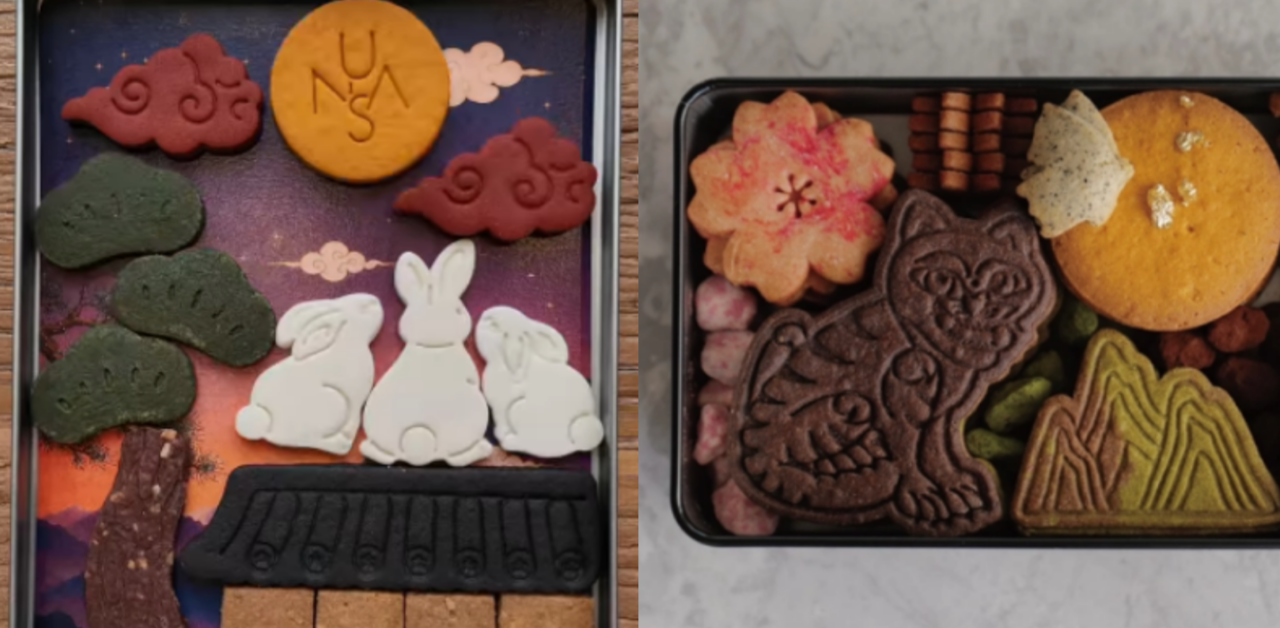
The rabbit and the full moon have become recurring motifs for Chuseok-themed products in recent years.
In Korean folklore, a jade rabbit is said to pound tteok, or rice cakes, on the full moon of Chuseok to make an elixir of life. The image is associated with the darker surface of the moon, which resembles the animal. The rabbit represents longevity and fertility, while the full moon symbolizes abundance.
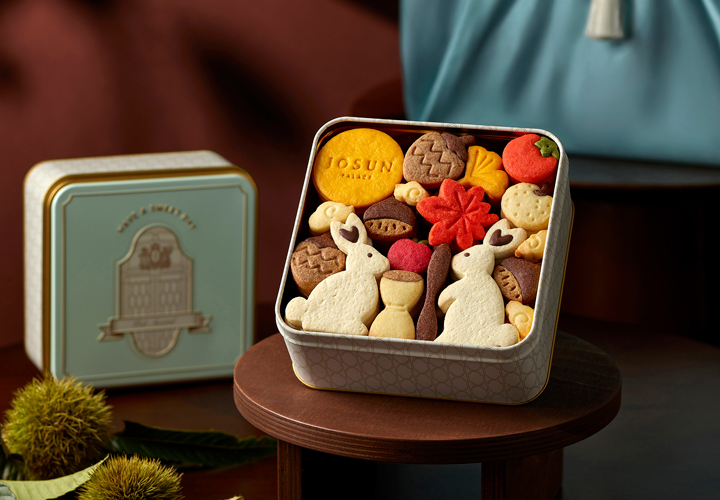
This year, Josun Hotels & Resorts has put out a limited-edition cookie box featuring the rabbit and the full moon, named "The Moon Rabbit's Harvest." Local dessert cafes such as Patisserie Armoni and Unas, both located in Seoul, are offering rabbit-themed desserts.
Many indie cafes such as Lowroof and Noonro are adopting similar decorations, with cookies shaped like animals such as squirrels holding chestnuts and haetae, a mythical creature, this fall.
Twist on traditional snacks
Traditional snacks remain a staple of Chuseok, when families and relatives gather for the holiday.
Songpyeon and baram-tteok — tteok filled with nuts or beans — are Chuseok delicacies. Jeonggwa, candied fruits or roots; manju, sweet red bean buns; and yakgwa, traditional honey pastries, are also popular around the holiday.
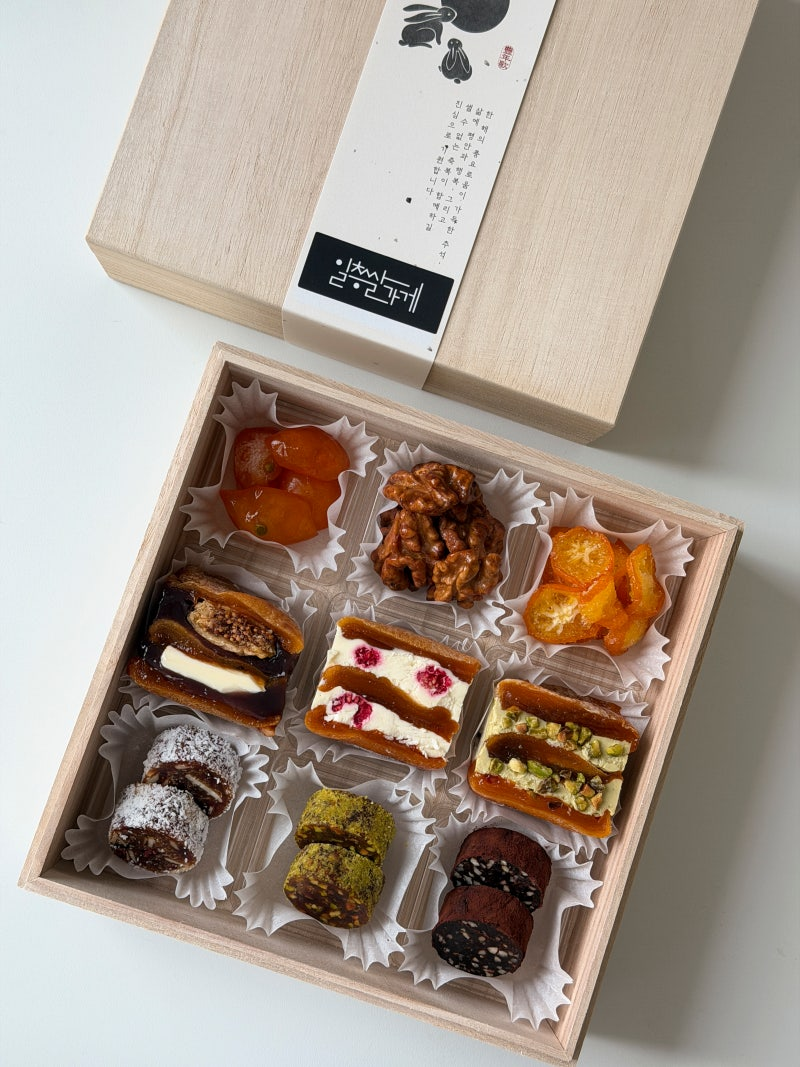
Traditional ingredients have been paired with flavors and ingredients popular among dessert lovers. Dried persimmons, for example, are made into mille-feuille or sandwich biscuits, combined with cream cheese and figs, butter and red bean, pistachios and cranberries.
Local retailers are also turning to celebrity chefs to give traditional snacks a contemporary edge.
Vasak, a Korean brand known for gim-bugak, or crispy seaweed snacks, has teamed up with Michelin-starred chef Son Jong-won and Buddhist nun Jeong Kwan, who rose to international fame through Netflix’s “Chef’s Table,” for a special Chuseok offering.
Cultural symbols
Korea's cultural symbols of fortune and prosperity are also used as themes for Chuseok gifts.
Dried pollack, traditionally hung with silk threads, has long been thought to ward off bad luck. Home decor and toys incorporated with the theme are believed to bring households good fortune.
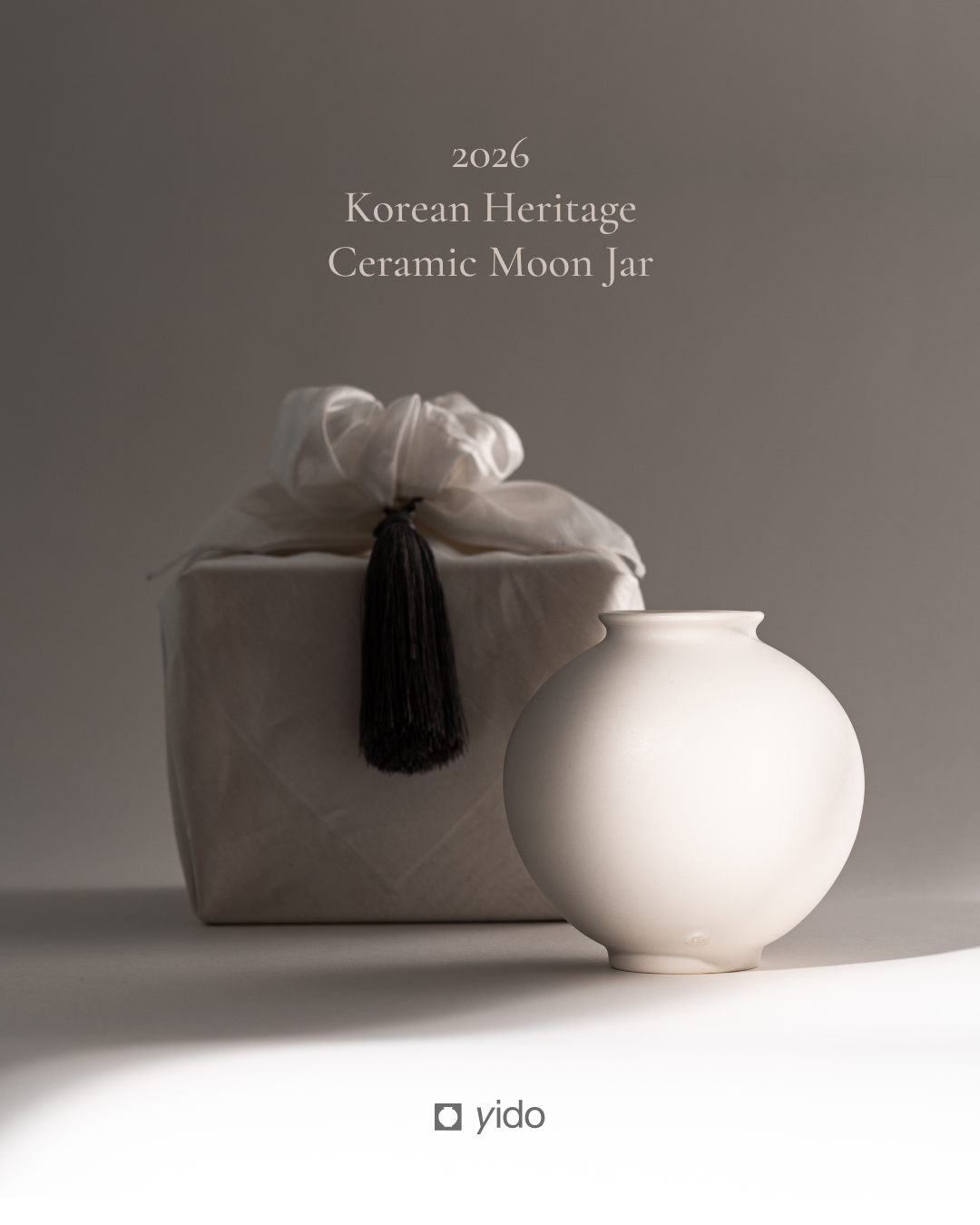
Another traditional motif is the moon jar, a rounded white porcelain vessel from the Joseon era, which lasted from 1392 to 1910. Its shape resembles that of a full moon, symbolizing abundance, prosperity and beauty. Now, it is reinterpreted in contemporary arts and merchandise that bring in wealth and blessings for households.
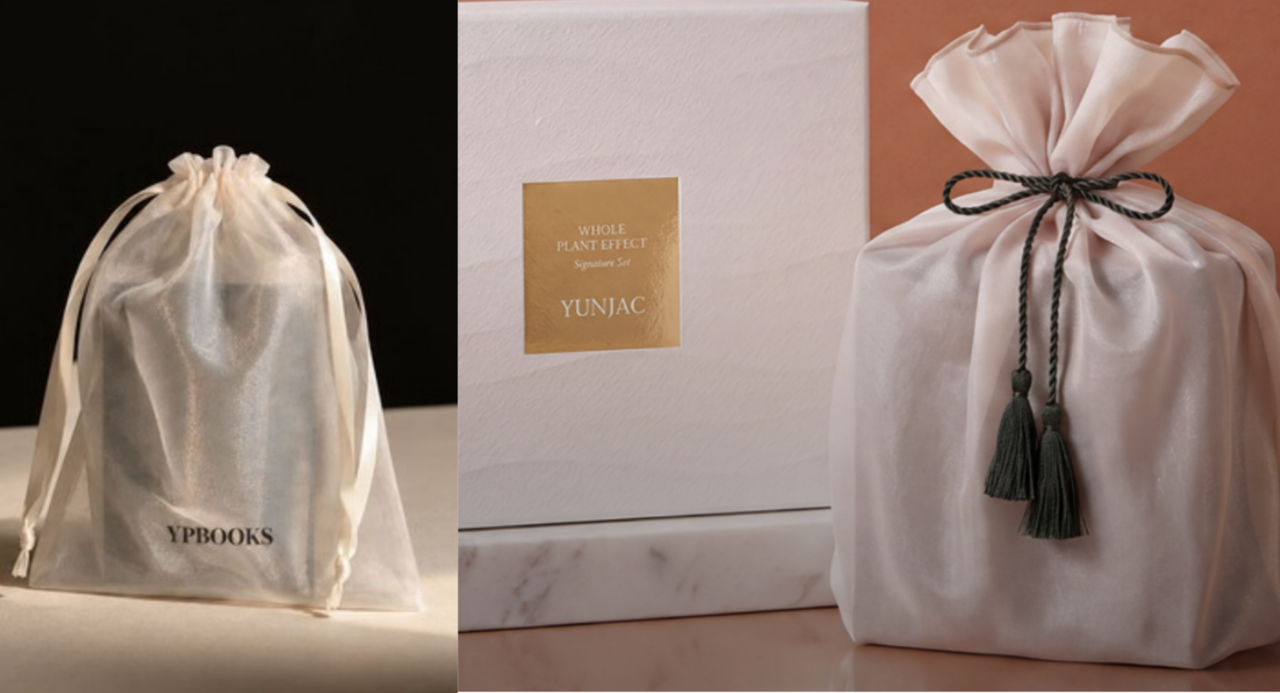
The use of traditional festival icons is extending beyond food and beverages, with brands incorporating Korean aesthetics into Chuseok packaging and seasonal promotions.
Popular packaging options use organza, silk-like fabrics and bojagi, traditional wrapping cloth, for adorning gifts. The wrapping style conveys the meaning of embodying good luck.
Youngpoong Bookstore is offering an organza pouch as part of its Chuseok-limited promotion. Beauty brands including Sulwhasoo and Yunjac are also offering traditional-inspired packaging and designs in their seasonal gift sets.
mjcha@heraldcorp.com