K-pop’s promotional playbook is expanding as agencies seek audiences beyond established fandoms
For years, the promotional path for a K-pop "comeback" was relatively predictable: release new music, appear on weekly music shows, visit radio programs and variety shows, repeat for two to three weeks.
That formula is beginning to loosen. K-pop artists are increasingly meeting audiences in places outside the typical comeback circuit — from esports finals and gaming festivals to news studios, baseball stadiums, fashion events and brand campaigns.
The shift is not simply about finding more places to perform. In many cases, artists are becoming part of the content itself, creating original music for games and brands or turning spaces such as news studios into performance stages.
Gaming and esports have emerged as one of the clearest examples.
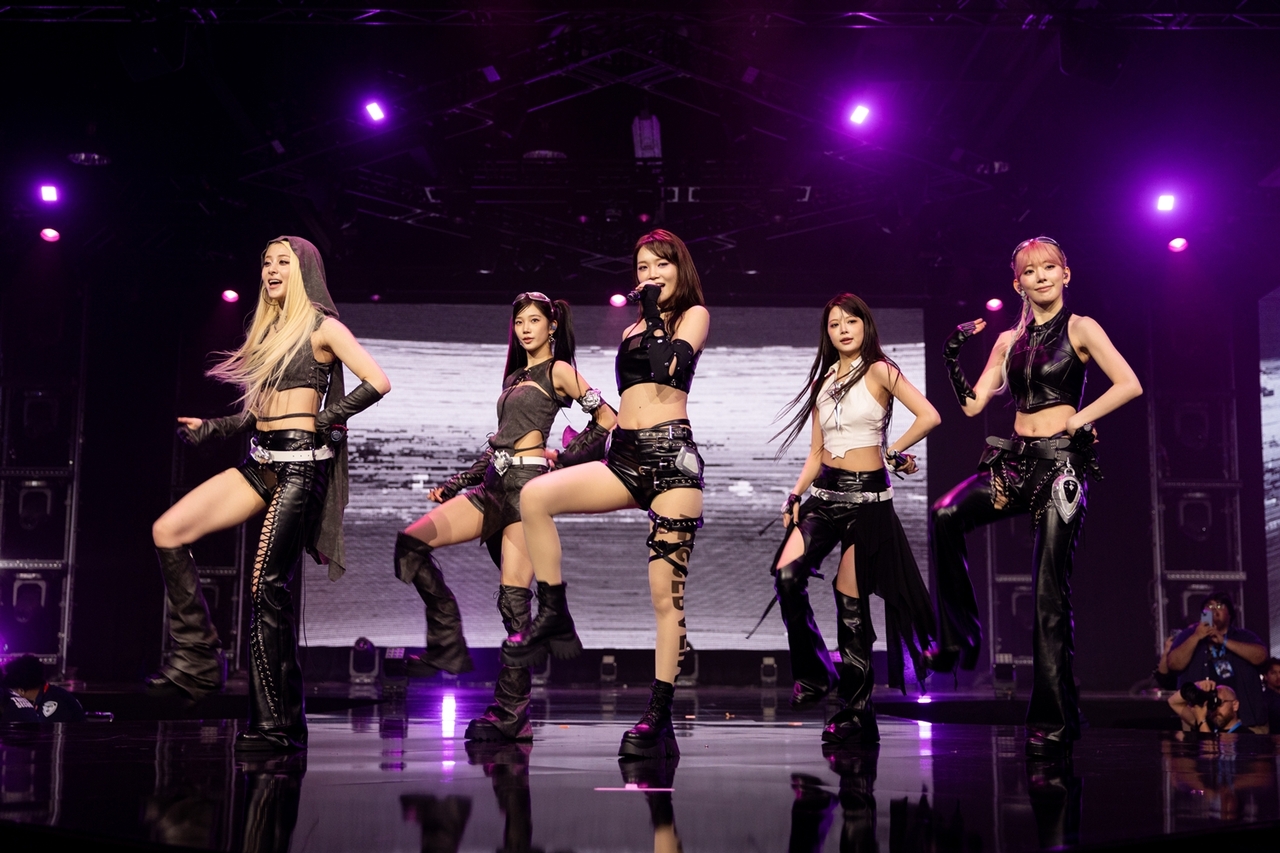
Le Sserafim closed BlizzCon 2026 in Anaheim, California, on Sunday with a 13-song set, returning to the global gaming festival three years after its first appearance there. Since 2023, the girl group has collaborated with Blizzard Entertainment’s shooting game “Overwatch” through music and character-based content. The music video of Le Sserafim’s latest single, “Made My Night,” was also co-produced with “Overwatch.”
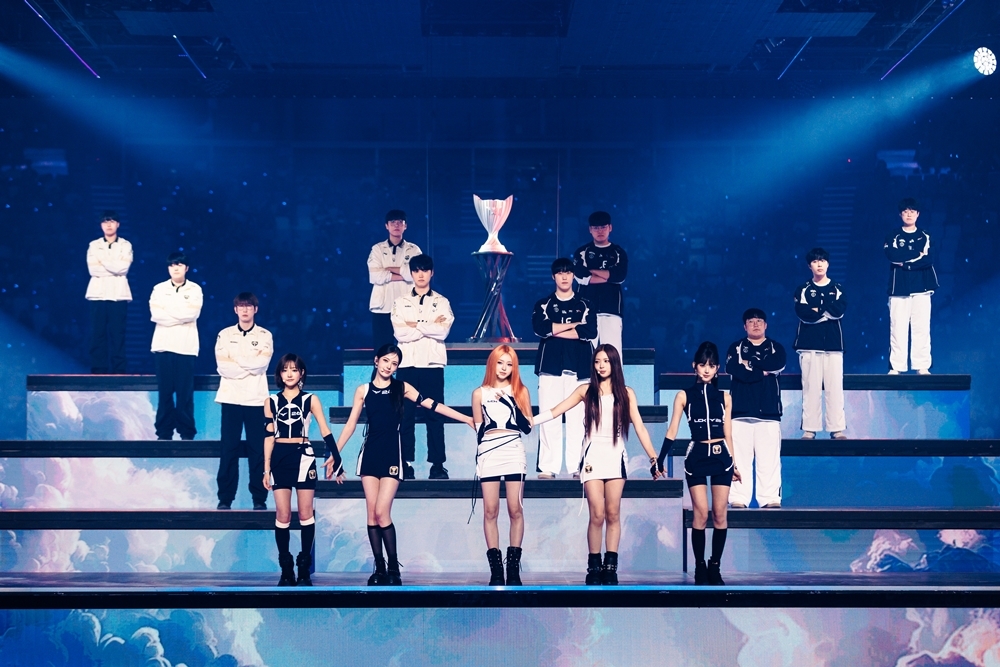
KiiiKiii took a similar approach closer to home, performing at the opening ceremony of the League of Legends Champions Korea Cup’s final, one of Korea’s largest esports leagues. KiiiKiii released two tracks for the league’s season this year — “Pain in the Dark” and “Leave Your Mark pt. 2” — making its music part of the competition’s broader narrative.
AllDay Project, meanwhile, partnered with “PUBG: Battlegrounds” to release the collaborative single “I Don’t Bargain” in March and later performed the track during halftime at the “PUBG Nations Cup” in June. Nmixx took the stage at the “LCK Team Roadshow: T1 Homeground” event in April, performing “Legends Never Die,” the official anthem associated with the League of Legends esports scene.
However, gaming is only one part of the expansion; news programs have also emerged as an unexpected new venue.
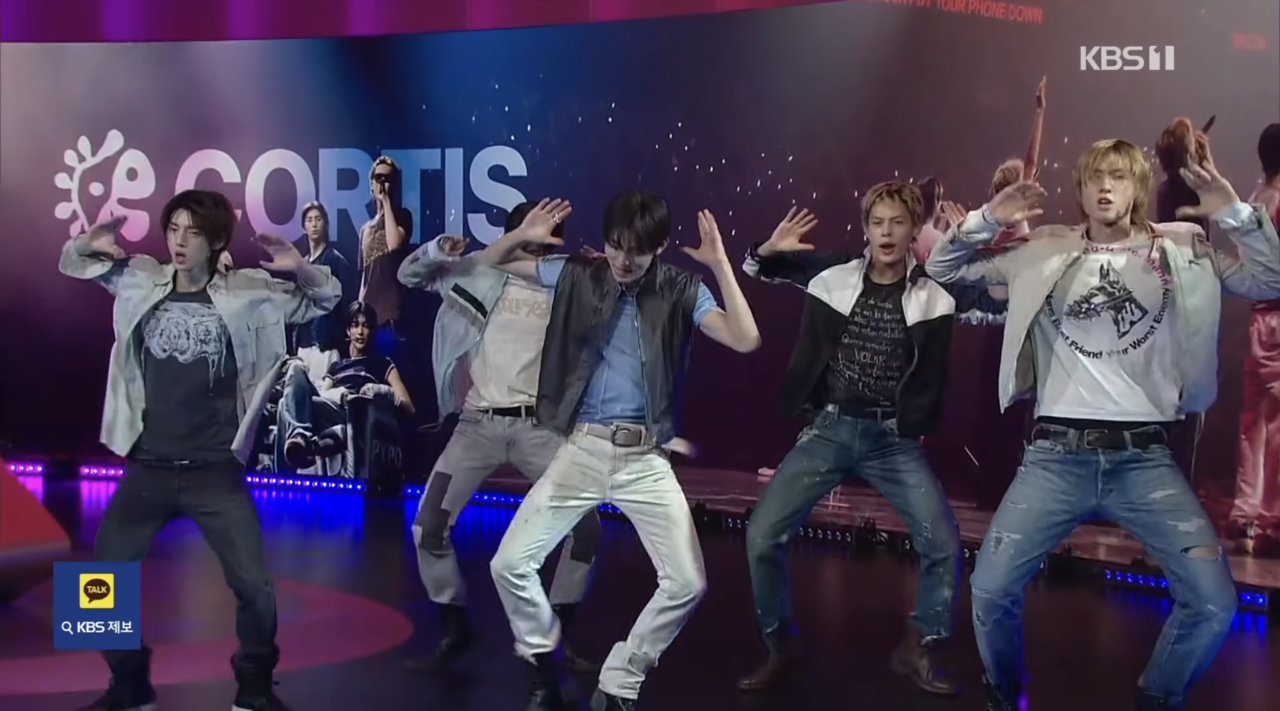
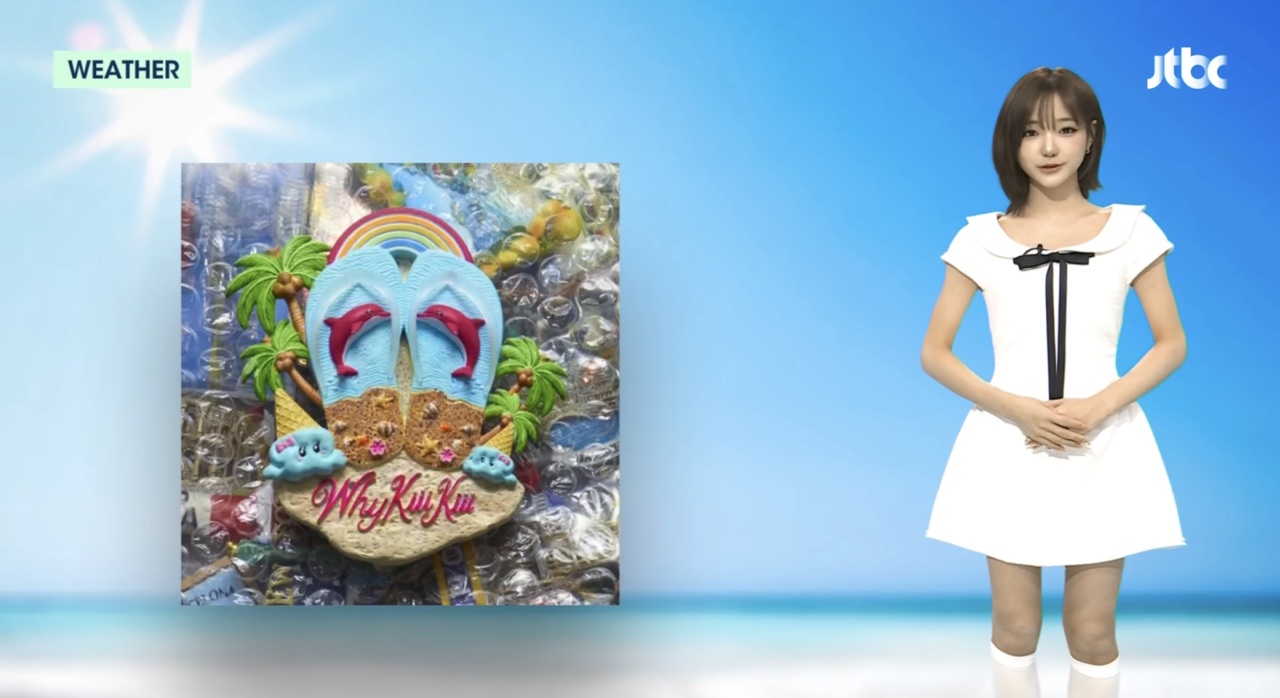
Cortis appeared early September on KBS’ “News 9,” doing more than sitting down with the anchor to talk about its music but also performing “RedRed” inside the news studio itself. KiiiKiii member Jiyu also appeared as a guest weather forecaster on Aug. 28 on JTBC’s “Morning&.” While presenting the weather forecast at the time, Jiyu also took the chance to promote the group’s latest EP, “WhyKiiiKiii,” as the lead track “Pop Off Pop Off” played in the background.
The boundaries are also shifting between K-pop and commercial brands.
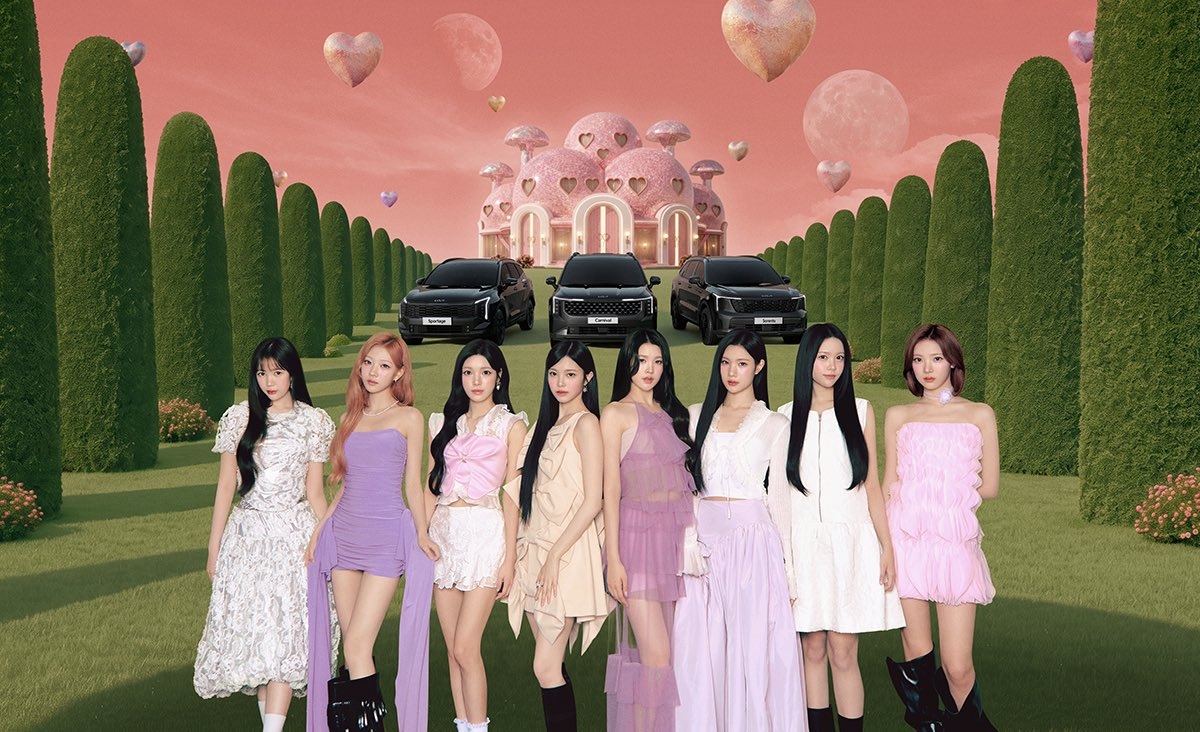
Girl group Hearts2Hearts released the single “Moonride” on Sept. 9 in collaboration with Kia and its Kia RV Black Edition lineup. Rather than licensing an existing song for an advertisement, the partnership involved creating a separate track intended to reflect the image of a particular vehicle lineup.
The growing number of K-pop groups turning to unconventional promotional tactics reflects a broader shift in how artists reach audiences.
“Music shows and radio remain important, but their audiences already tend to include people who actively follow K-pop,” culture critic Kim Heon-sik told The Korea Herald. “By contrast, appearances at gaming festivals, music releases tailored to specific brands and promotion through nontraditional channels such as news programs can introduce artists to people who might not otherwise seek out K-pop content.”
According to Kim, the shift matters as audiences increasingly consume content across platforms and communities. Entertainment companies can no longer rely on a fixed set of traditional promotional outlets and instead need to reach potential listeners where they already spend time.
“For entertainment companies, the appeal is access to audiences beyond an artist’s existing fan base. For broadcasters, gaming companies and brands, K-pop acts bring younger consumers, strong social media engagement and global fandoms, extending an event’s reach beyond those physically present,” he said.