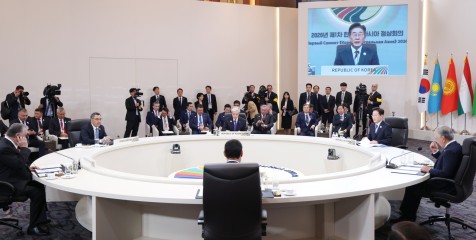
Newly introduced sports, including virtual taekwondo, MMA and padel, to make their Asian Games debuts
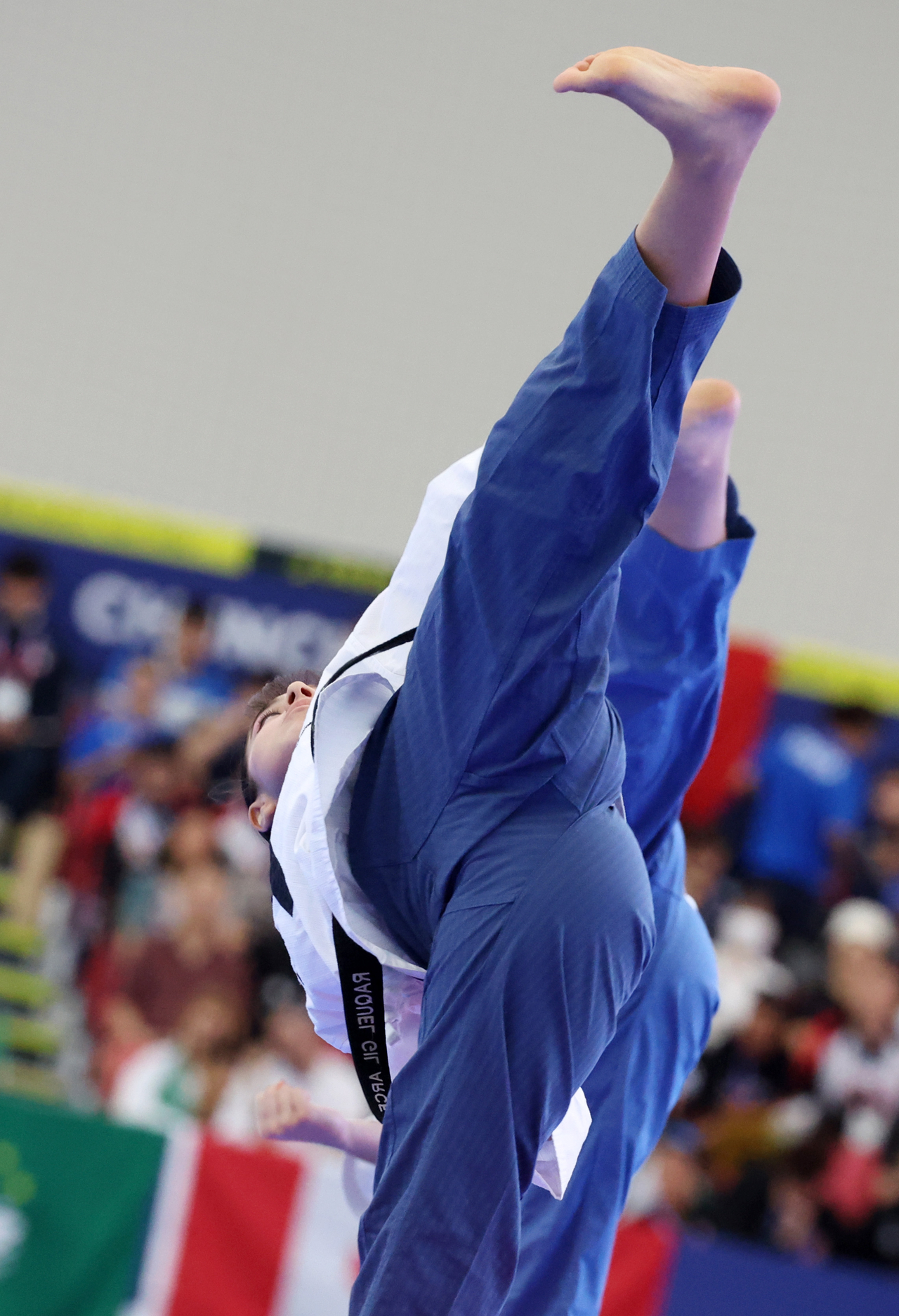
Imagine taekwondo without physical contact, a racket sport played inside a glass-walled court, and football played across a curved table.
These are among the unfamiliar spectacles awaiting even longtime sports fans at the 2026 Asian Games in Aichi-Nagoya, Japan, which kicks off Saturday for a 16-day run.
Among the six sports making their Asian Games debuts is virtual taekwondo. Though it may sound like a video game, competitors will not be sitting in front of a screen. Wearing virtual reality headsets and motion-tracking sensors, athletes will use real kicks and body movements to control digital avatars. All the action unfolds in the virtual arena, allowing athletes to compete without actually striking one another.
The virtual format also allows athletes to compete regardless of weight or gender, with 16 men and women facing off in a single-elimination tournament on Oct. 2.
Mixed Martial Arts will feature six medal events and sit alongside other combat disciplines such as ju-jitsu and kurash. The Asian Games format will require competitors to fight several times over just a few days, recover quickly and adjust to a range of fighting styles.
Padel, one of the world’s fastest-growing racket sports, will also make its Asian Games debut.
Usually played in doubles, it combines elements of tennis and squash on a smaller court enclosed by glass walls. The walls form part of the playing area, keeping rallies alive and letting shots come in from unexpected angles. Players serve underhand, and the smaller court makes quick reactions and teamwork especially important.
Teqball needs just two things: a curved table and a soccer ball.
Players send the ball back and forth without using their hands, instead controlling it with their feet, knees, chest or head. They cannot keep using the same body part, forcing them to constantly change how they receive and return the ball.
After making its Olympic debut in Tokyo, surfing is joining the Asian Games. Surfers will be scored on the difficulty, variety and execution of their maneuvers and, at the same time, also contend with something beyond their control: the sea.
BMX freestyle, meanwhile, returns the action to dry land but is no more predictable. During timed runs, riders perform tricks across a course of ramps and other obstacles, earning points for difficulty, height, originality and execution.
Unlike BMX racing, there is no race to the finish. It aims to put together the most impressive run without falling, making the event part sport and part aerial spectacle.
junheee@heraldcorp.com