Some of K-pop's greatest success stories began outside the industry's biggest companies
When Rescene appeared on MBC's "Omniscient Interfering View" on Aug. 8, one exchange offered a clue to why the five-member group has struck such a chord with the Korean public.
Member Woni recalled a time when becoming an idol had seemed financially out of reach.
"I thought only rich people could become idols," she said, before explaining how encouragement from the head of her agency, The Muze Entertainment, gave her the confidence to pursue the dream. The company's chief, for his part, said he was grateful that the members had chosen his little-known agency in the first place.
It was an unusually personal glimpse into the relationship between an idol group and the people behind it. And it points to something easily overlooked as K-pop becomes an increasingly capital-intensive global business: Small agencies are important precisely because they cannot always operate like the industry's giants.
Rescene is a timely example. Debuting in March 2024, the group spent more than two years outside K-pop's top tier before breaking into the mainstream this year, helped by viral YouTube content and renewed interest in its 2024 song "Love Attack." Its remake of Kara's "Pretty Girl," released July 8, then delivered the group's first music-show trophy and went on to win multiple times on MBC's "Show! Music Core."
That kind of underdog narrative is hardly new to K-pop.
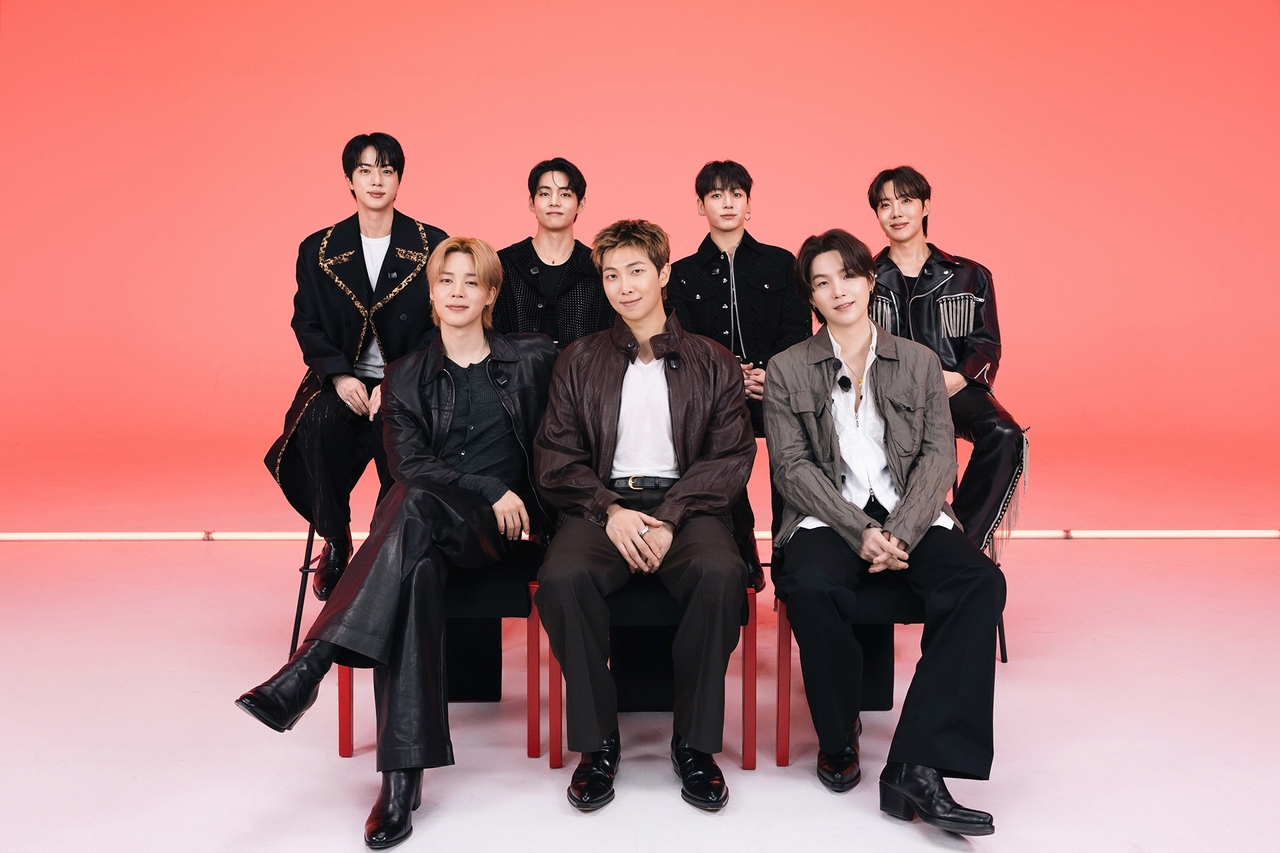
BTS debuted in June 2013 under Big Hit Entertainment, then a small company founded eight years earlier. Long before Hybe became the entertainment conglomerate it is today, BTS used social media to show fans a less polished side of idol life through behind-the-scenes videos and direct communication. Korea's official cultural portal credits the group's gradual rise partly to self-produced music and messages that audiences perceived as authentic.

Of course, smallness itself does not create authenticity. Nor does a large agency prevent it. But fewer corporate layers can leave more room for experimentation — including in how an act finds its audience.
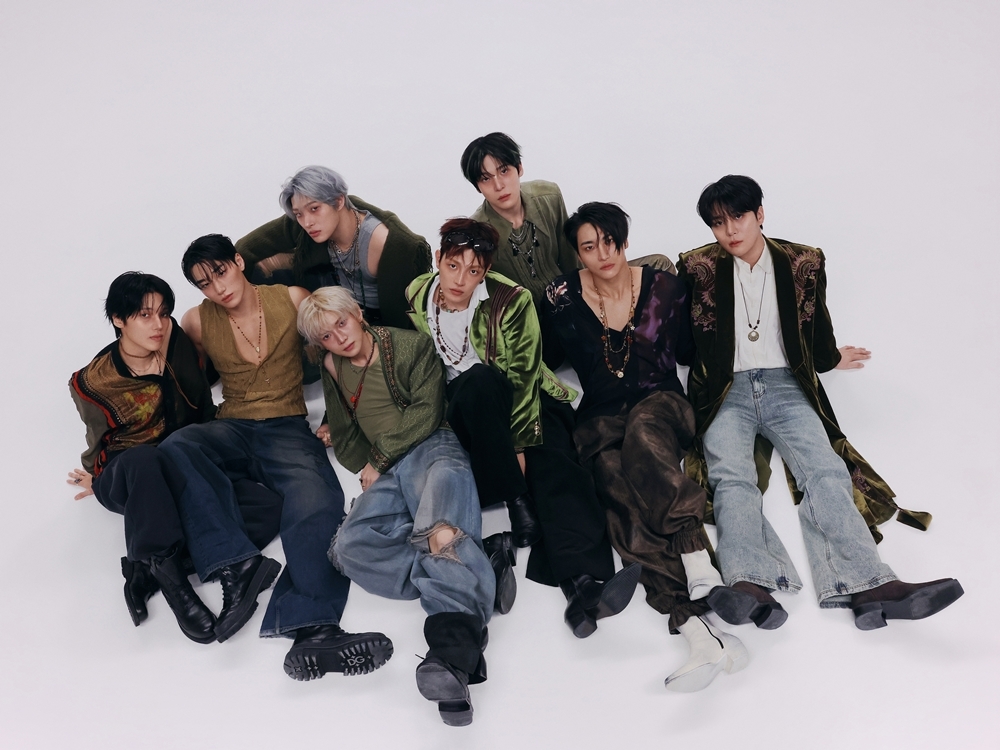
Ateez offers perhaps the clearest example. The KQ Entertainment boy band debuted in October 2018 and, less than five months later, embarked on a five-city US tour that sold out, followed by 10 European dates that also sold out. The tour was driven by overseas fan demand gathered through concert platform MyMusicTaste, an unconventional route for a rookie without strong domestic recognition.
Years of overseas growth followed before Ateez experienced a dramatic expansion of its mainstream profile at home this summer. "Bad," the Brazilian funk-inspired lead track from its 14th EP "Golden Hour: Part.5," released June 26, went viral after a brief piece of member San's dancing clip spread across TikTok, X, Instagram Reels and YouTube Shorts.
There is also a creative argument for keeping smaller players in the ecosystem. K-pop's biggest companies can draw on global songwriting networks, expensive music videos and sophisticated A&R operations. Smaller companies rarely have comparable resources. That limitation can force them to build a recognizable sound with a smaller circle of creators rather than competing on production scale alone.
GFriend was an early example. Debuting in 2015 as the only active idol group at the then-small Source Music, the group built its early identity around a distinctive melodic pop sound developed largely with producer duo Iggy and Youngbae. "Me Gustas Tu" became a breakout hit after a rain-soaked fan video went viral, and "Rough" went on to become one of 2016's biggest songs in Korea.
The gap these companies face is nevertheless enormous. Government-linked industry data shows that in 2023, large Korean music companies spent 43.11 billion won ($31 million) annually on music production on average. Smaller companies spent a mere 1.49 billion won.
This year the Culture Ministry launched a program specifically aimed at helping small and midsize agencies expand overseas, selecting 10 acts including Rescene and KQ's Xikers.
K-pop does not need small agencies because obscurity produces better art, or because every underdog can become the next BTS; it needs them because an industry dominated by companies that can spend billions on each new act risks narrowing the routes through which something unexpected can emerge. Supporting small agencies, therefore, could help keep the door open for K-pop’s next surprise.