Interest moves from movie theaters to bookstores
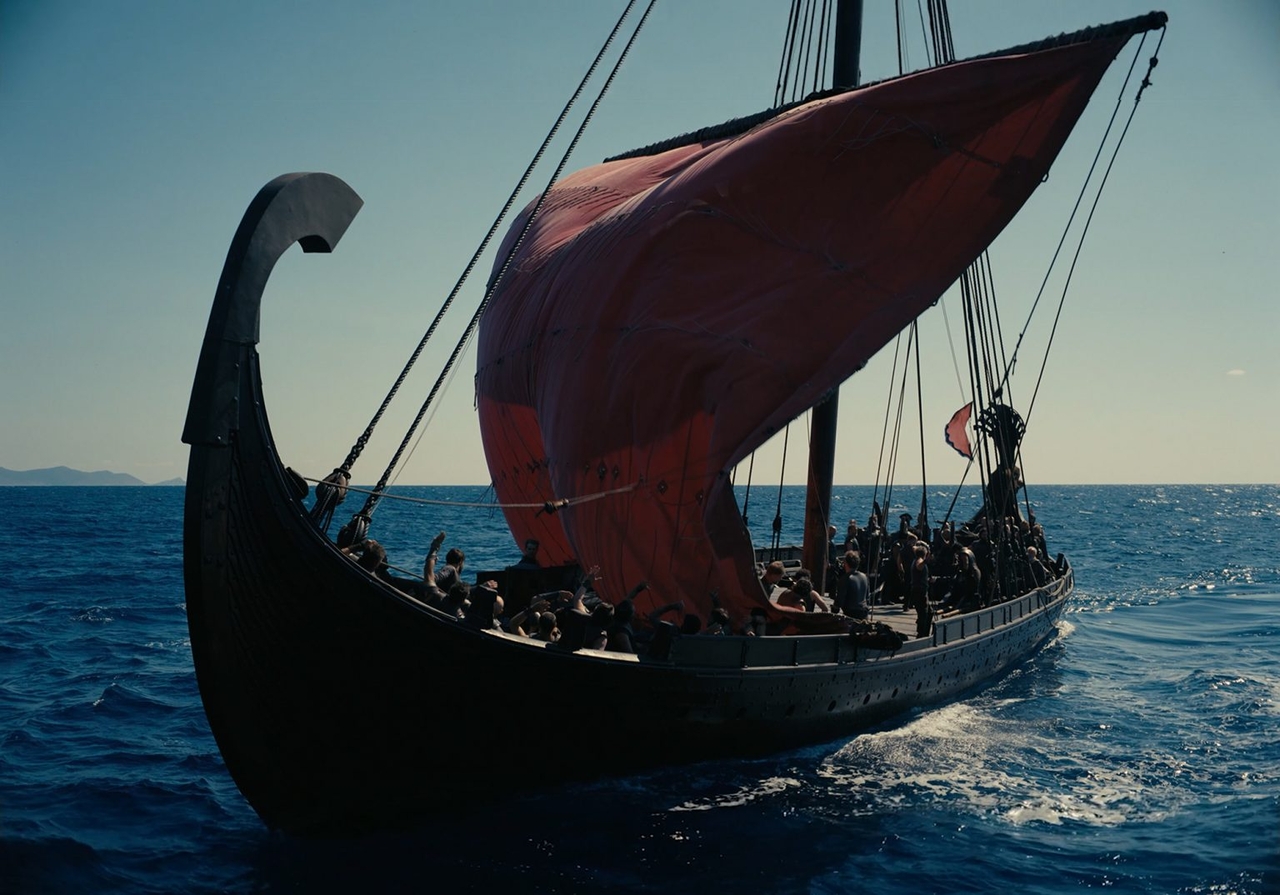
Christopher Nolan’s “The Odyssey” has become the second film this year — and the 10th foreign film in Korean box-office history — to draw more than 10 million moviegoers. Now its blockbuster momentum is spilling into bookstores, reviving interest in one of literature’s oldest epics.
Books related to “The Odyssey” sold nearly 31 times as many copies last month as they did a year earlier, according to Kyobo Book Centre, one of the country’s largest bookstore chains. Sales of books with “Odyssey” in their titles surged 940.9 percent from the previous month and 2,984.8 percent from the same month last year. Books on Greek mythology also saw a lift, with sales up 84.3 percent month over month and 33.5 percent year over year.
The shift was also visible in what readers were buying. Last August, all 10 of Kyobo’s best-selling “Odyssey”-related books were children’s titles on Greek and Roman mythology. Last month, translations of the epic and introductory books aimed at adult readers dominated the list.
“The release of the film has led to a sharp increase in attempts by moviegoers to read Homer’s original work themselves,” a Kyobo Book Centre official said. “Interest that had largely remained within children’s mythology books appears to be expanding into serious reading of classics among adult readers.”
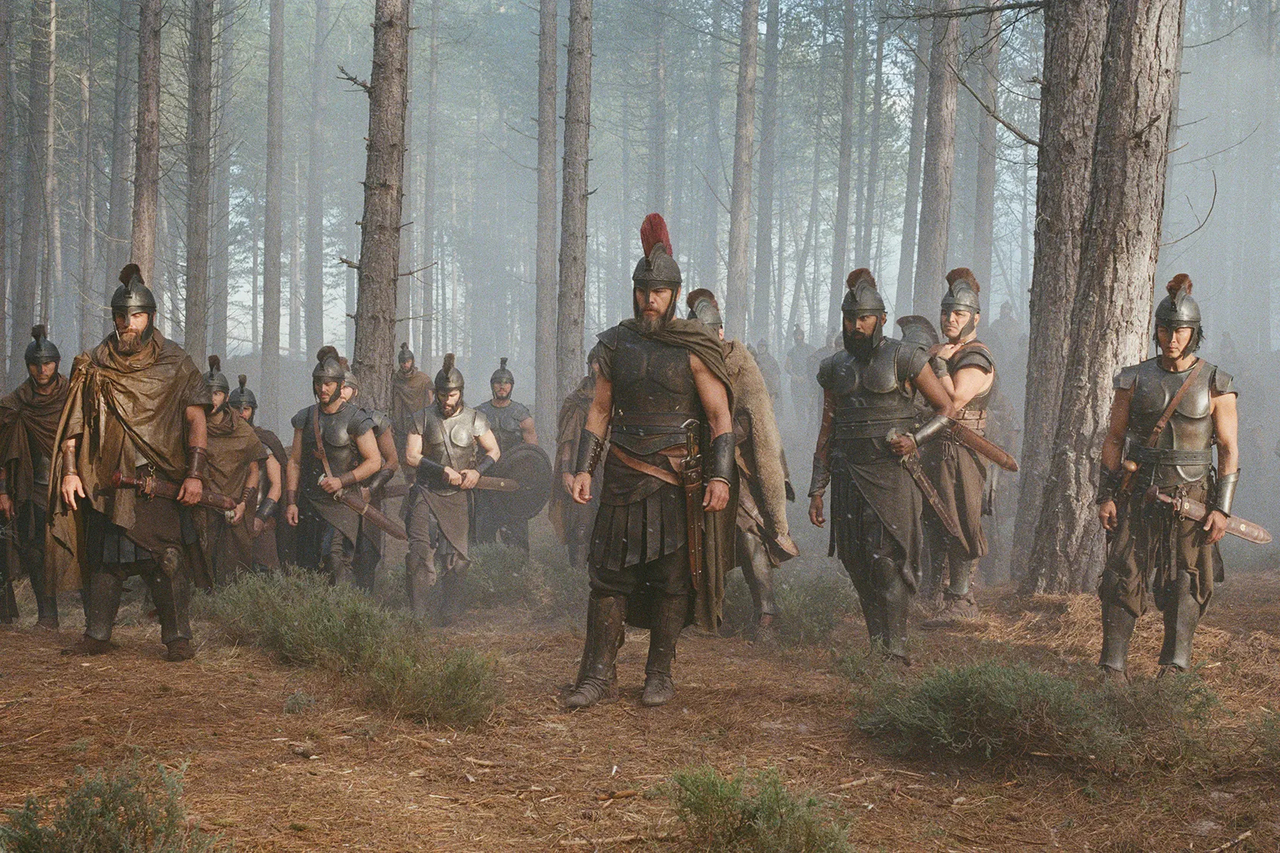
Greek myths and Millennials
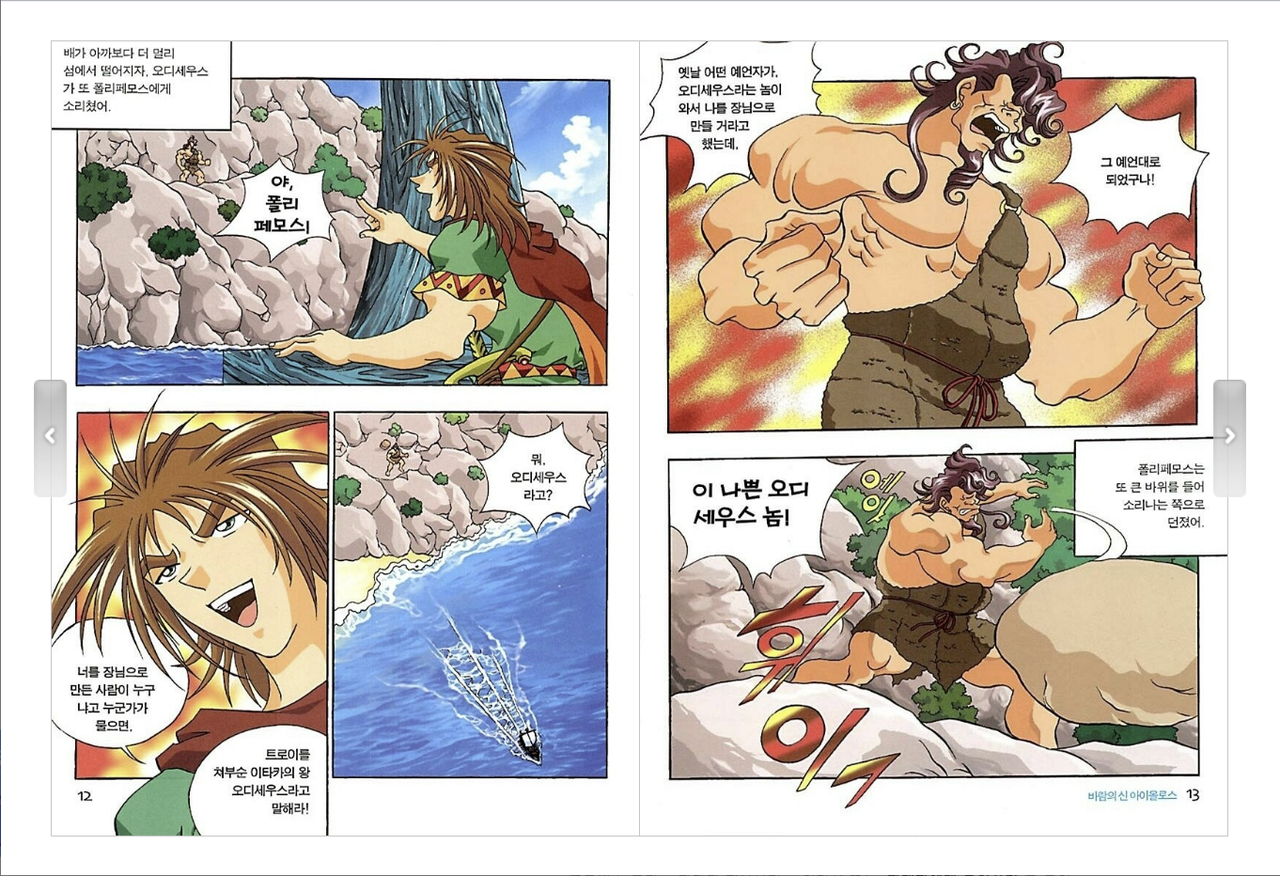
Western classics and Greek mythology are not central to Korea’s school curriculum, but “The Odyssey” has long had a familiar place in Korean popular culture, thanks in large part to a beloved children’s comic series, “Greek and Roman Mythology in Comics.”
Published by Gana Publishing in November 2000, the 20-volume educational comic series, illustrated by Hong Eun-young, introduced generations of Korean children to the gods, heroes and monsters of Greek mythology and had sold more than 1.2 million copies by 2022.
Now out of print, the books have become sought-after collectibles, with first-edition copies reportedly fetching more than 1 million won on the second-hand market.
That familiarity may have helped Nolan’s film find an audience quickly among younger Koreans.
“The Greek and Roman mythology comics have already created a strong base of interest, making the story familiar and accessible across generations,” said Kim Heon-sik, a pop culture critic.
Kim also pointed to the film’s contemporary relevance, saying its focus on war and repentance raises weighty questions about the world today.
"Odysseus’ journey to rediscover who he is, alongside the story of someone who waits for him for years, also invites audiences to reconsider the enduring values of faith and trust."

Why ancient epic still speaks
The surge in demand for books suggests that audiences are looking for something deeper in a work that has survived for nearly three millennia.
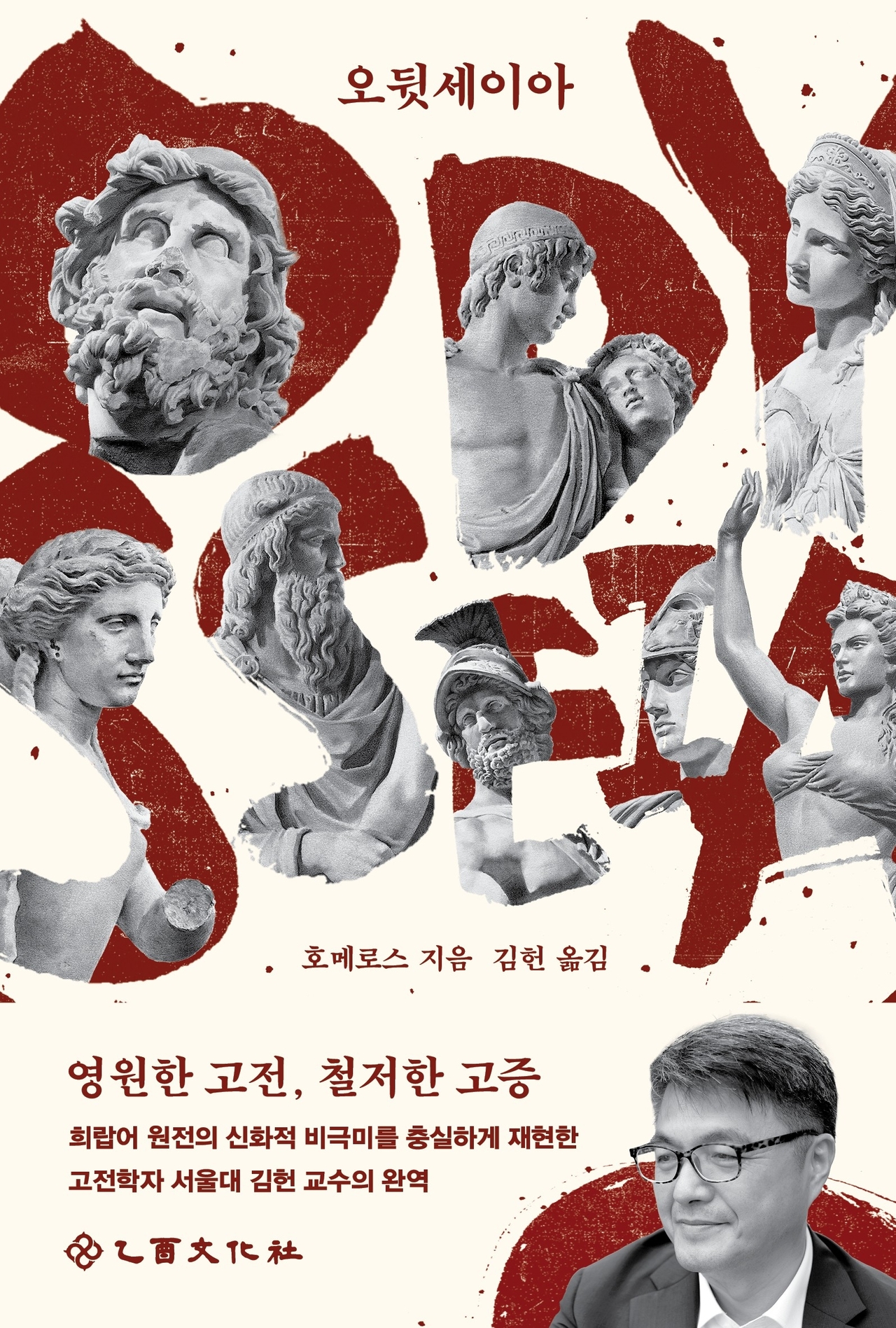
Among the many Korean translations of “The Odyssey,” the latest has attracted particular attention. A new complete translation by Kim Heon, a professor at Seoul National University’s Institute of Humanities Studies, was published on Aug. 4 and sold more than 50,000 copies in less than a month.
Kim has become one of the most prominent scholars of Western classics as Nolan’s film has helped turn classical literature into a cultural talking point.
For Kim, the enduring power of a classic lies in the questions it leaves behind.
“In the age of artificial intelligence, what matters is not answers but the ability to ask questions. Classics help us develop the ability to ask questions rather than simply giving us answers,” he said.
“The Odyssey” is therefore more than a tale of monsters, gods and extraordinary adventures. It asks: Who am I? Where am I? Where am I supposed to go?
“The questions that ‘The Odyssey’ asks are simple: What is home? After returning 20 years later, am I still the same person? Each of us is on the way back to our own Ithaca. ‘The Odyssey’ is a journey to recover a lost identity while creating a new one at the same time.”
He added that Nolan, too, "drew questions from the original work about what our times need and offered his own answers through the film."
“Do I, too, have an Ithaca to return to? The moment I feel that I do, ‘The Odyssey’ becomes my own story. We are all entangled in things we may not have chosen, yet we must see them through before we can finally return to the place that is ours.”
hwangdh@heraldcorp.com