Korean member of Japan's Dairakudakan brings her award-winning solo 'Summoning the Unknown X' to Seoul
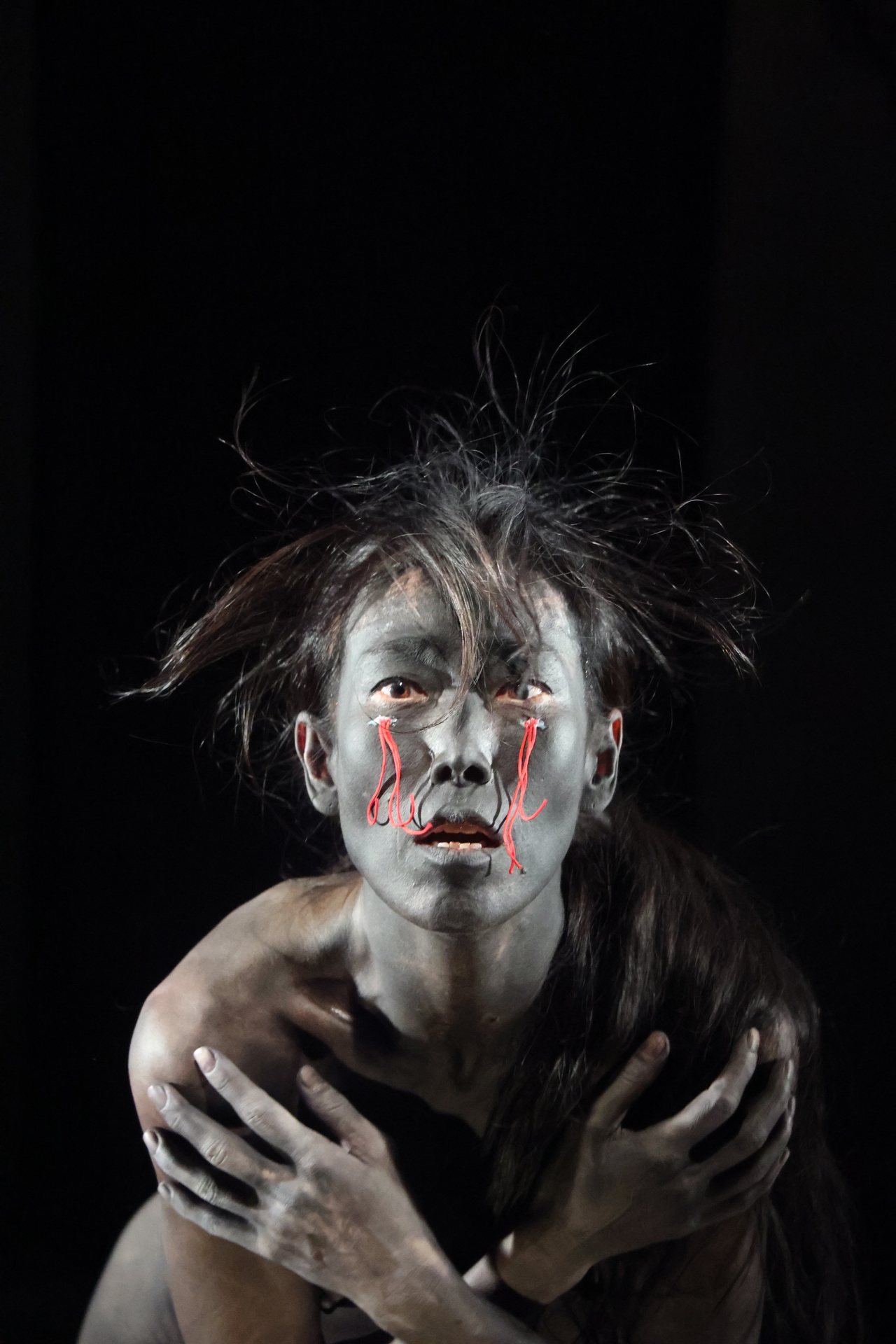
Inside every person, Yang Jong-ye believes, lies a house with countless rooms. One is left untouched, sealed beneath layers of dust and cobwebs. Behind its door waits another self — one we have hidden even from ourselves.
With her latest award-winning piece, "Summoning the Unknown X," choreographer and butoh dancer Yang opens that door.
The work, which won the grand prize at this year's SAI Dance Festival in Tokyo, excavates the contradictions buried beneath ordinary life, confronting the self that has long been suppressed or ignored.
Yang is presenting the solo to Korean audiences for the first time this weekend at the 23rd Korea World Dance Stars Festival at Naru Arts Center in Seoul, after performing Wednesday at the Eumseong Culture & Arts Center in North Chungcheong Province.
This is also a homecoming for Yang, who became the first foreign dancer to join Japan's renowned butoh company Dairakudakan in 2009.
"Performing in your home country is always emotional when you've spent your career abroad," Yang said in an interview with The Korea Herald on Monday. "It's also meaningful because butoh is still unfamiliar to many people here."
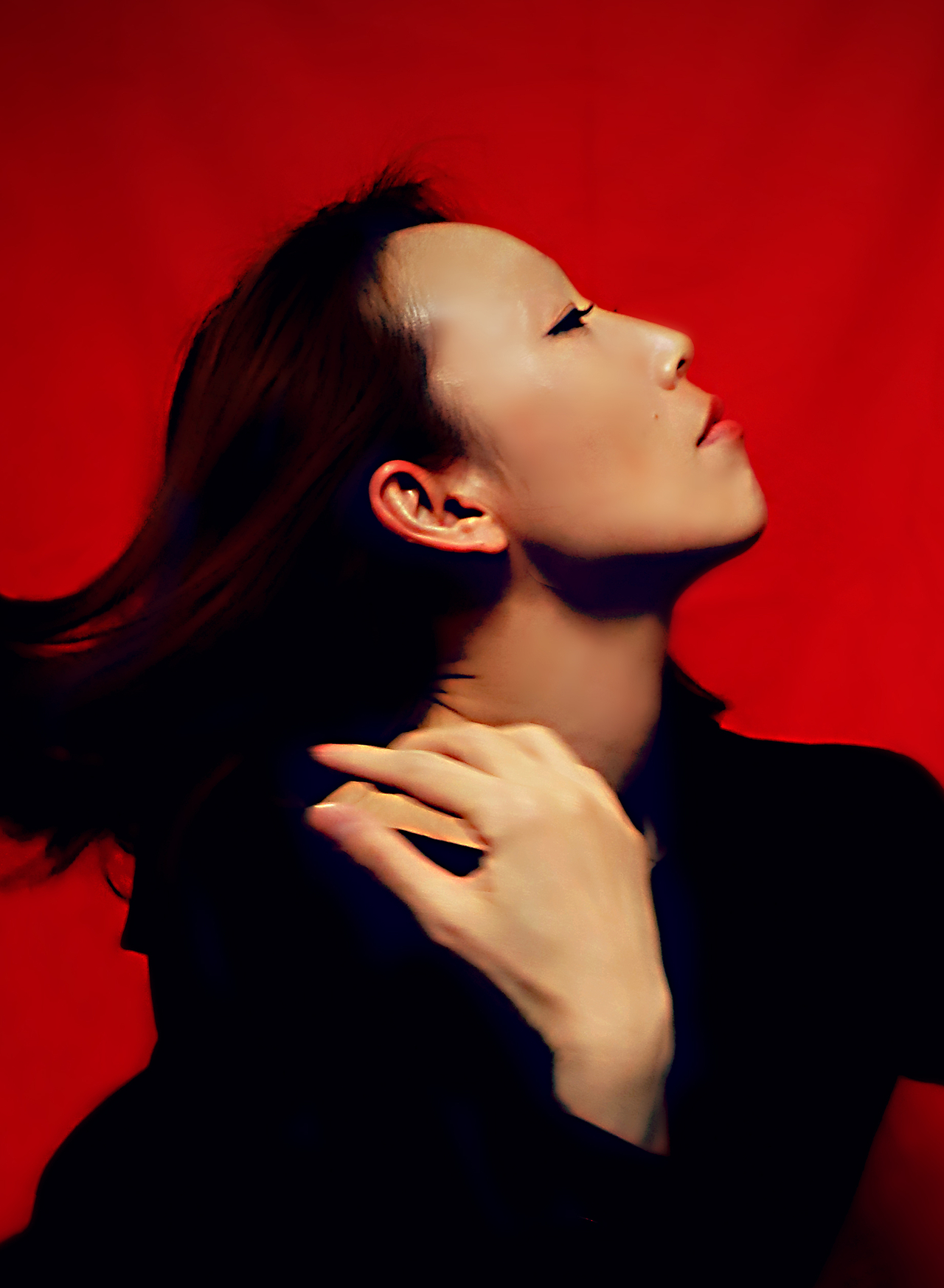
Butoh is an avant-garde Japanese dance-theater form that emerged in the late 1950s, characterized by slow, hyper-controlled movements, white body makeup and raw explorations of dark, grotesque or taboo themes. Introduced to Europe in the late 1970s, it went on to become an influential current in contemporary dance.
Traditionally, butoh dancers cover their bodies in white paint. For "Summoning the Unknown X," Yang covers her body in black.
"X is not a grotesque stranger. It is the rawest face of myself — the part of me I had turned away from and locked inside. I wanted to portray the process of bringing suppressed emotions and memories out through the body and finding harmony within," Yang said.
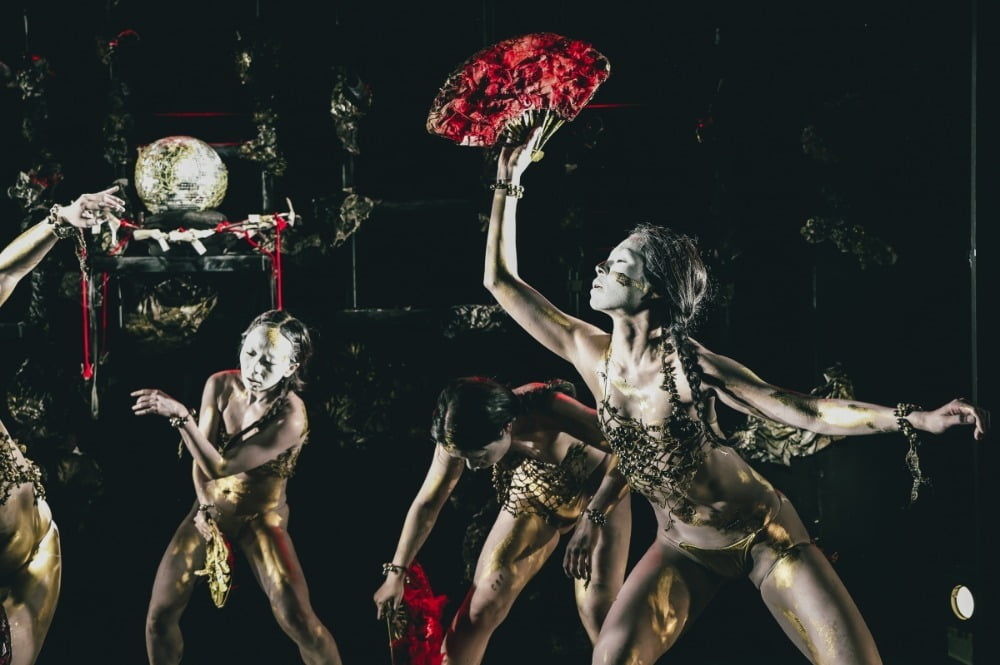
The solo distills the central themes of Yang's "The Rite of Spring" project, which began as a 2020 dance film, expanded into a full-length stage production featuring seven female dancers, and later evolved into a gold-painted solo performance.
For Yang, body painting — one of butoh's most recognizable elements — is not only a visual statement, but a form of transformation.
"It's like Superman or Spider-Man putting on a suit before they go out to do what they do," she said. "Body painting begins with the human desire to transform. Whether in butoh or other traditional performing arts, that desire for transformation is at the root of many forms of expression."
That idea of transformation has guided Yang's own relationship with butoh, an art form she describes as a way of investigating the body.
Trained in Korean dance, Yang first encountered Dairakudakan at a Seoul butoh festival marking the 40th anniversary of diplomatic ties between South Korea and Japan in 2005. The performance reshaped her understanding of what dance could express. She moved to Japan three years later and became the company's first foreign full-time member in 2009, beginning a 17-year career with one of the world's leading butoh ensembles.
Yang said the starting point of butoh is not mastering movement, but rediscovering the body itself.
The first is about stripping away one's fixed sense of self: "Our bodies are made up of more than 70 percent water. So think of the body as a simple bag filled with water — not as 'me,' but as an object. That is where the process begins."
The second, the "space body," asks dancers to reconsider their relationship with the world around them.
"Humans believe we are the center of everything. Animals and insects adapt themselves to their environments, but humans have used our intelligence to change the world to fit us. Butoh begins by letting go of that arrogance," she said. "It's like bringing onto the stage the landscapes I carry within me."
For those encountering butoh for the first time, Yang offers simple advice: "Rather than trying to interpret everything, it is enough to feel what emerges inside you. The body onstage is only a small bridge connecting the audience's world with the world of the performance."
hwangdh@heraldcorp.com