
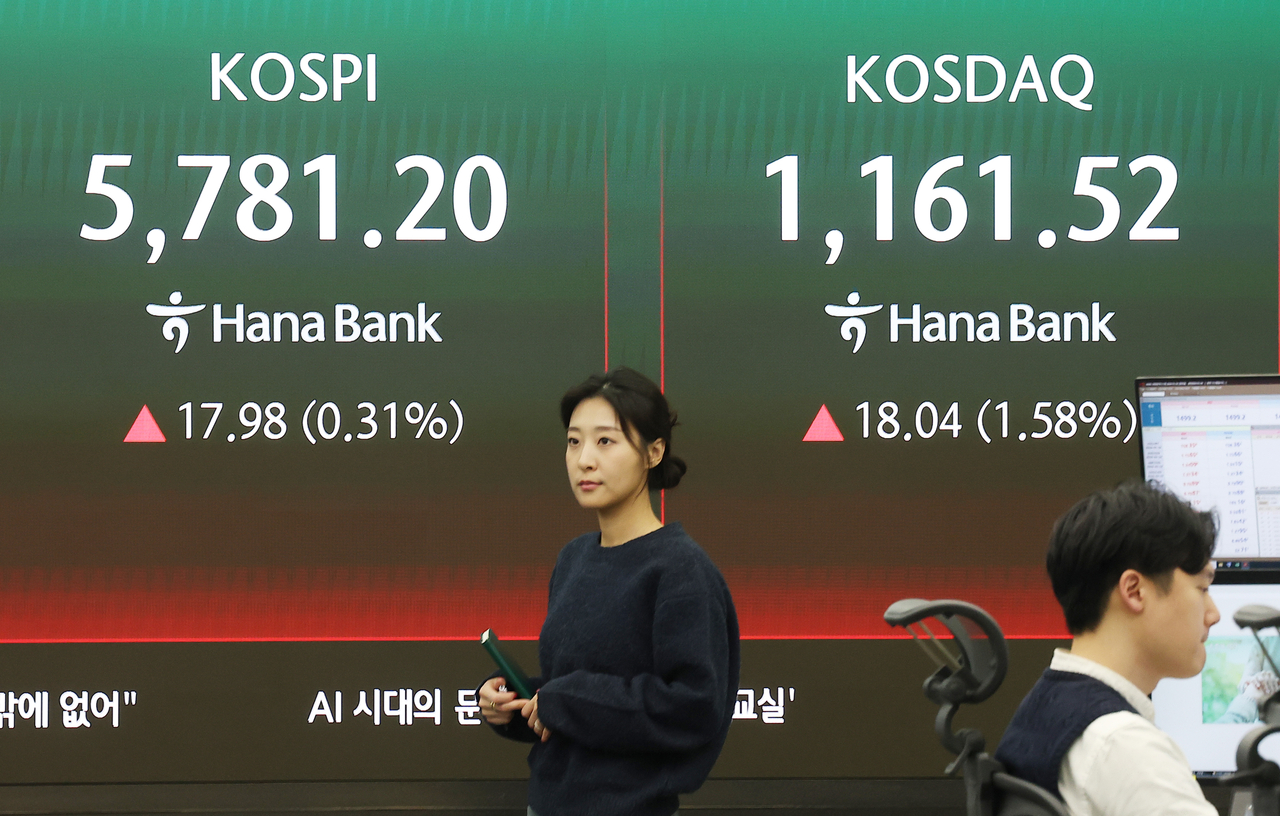
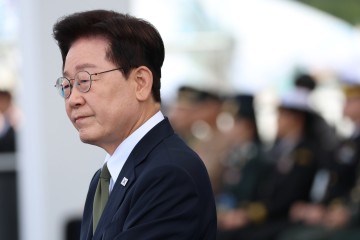
A market that leaps on reform rhetoric only to falter a day later is not yet a premium market. At Wednesday’s meeting on capital market stability and normalization, President Lee Jae Myung tried to shift the narrative from the familiar “Korea discount” to the promise of a “Korea premium,” a phrase that has long captured both ambition and frustration in Korean finance.
혁신이라는 수사에 힘입어 반등했지만 하루만에 흔들리는 시장을 고평가하기는 아직 이르다. 수요일 자본 시장 안정과 정상화 회의에서 이재명 대통령은 익숙해진 "코리아 디스카운트"에서 "코리아 프리미엄"이라는 희망으로 흐름을 전환하고자 했다. 오래된 한국 경제의 포부와 좌절을 모두 담은 표현이다.
Investors responded with an immediate, if somewhat reflexive, surge. The Kospi climbed more than 5 percent, driven by semiconductor shares and renewed appetite for structural change. The pullback on Thursday, however, showed how fragile confidence remains when global conditions are unsettled and the domestic foundation is incomplete.
투자자들은 일부는 반사적이었을지언정 즉각적으로 반응했고 이는 급등세로 이어졌다. 코스피는 반도체 주식과 구조적 변화에 대한 새로운 바램에 기해 5퍼센트 넘게 상승했다. 그러나 목요일의 하락세는 국제 여건이 불안정하고 국내 기반이 불완전한 상황에서 그 투자 심리가 얼마나 취약한지를 보여주었다.
The Lee administration is right to confront the structural weaknesses that have weighed on Korean equities for decades. Weak governance, repeated manipulation scandals and policy unpredictability are not occasional risks but embedded concerns for many global investors.
이재명 정부가 한국 주식 시장을 수십년간 옭아매온 구조적 취약점을 해결하고자 나선 것은 옳다. 취약한 지배구조, 고질적인 조작 파문, 그리고 정책적인 불확실성은 해외 투자자 다수에 있어 간헐적인 리스크가 아니라 내재된 우려 요인이다.
Plans to ban overlapping listings between parent firms and subsidiaries strike at one of the clearest distortions in the market. Such structures account for nearly 20 percent of the Kospi market value, making the double-counting of assets a persistent source of undervaluation.
모회사와 자회사 간 중복상장을 금지하려는 계획은 주식 시장에서 가장 분명한 왜곡 현상을 해소하고자 함이다. 중복상장은 코스피 시총의 약 20퍼센트에 달해 자산의 이중 계상은 지속적으로 저평가의 원인이 되어왔다.
Proposed revisions to the Commercial Code go further. Broader fiduciary duties to shareholders, cumulative voting and mandatory cancellation of treasury shares are intended to bring corporate practice closer to global standards. A two-tier restructuring of the Kosdaq market could provide clarity needed to attract long-term capital.
상법 개정안은 여기에 그치지 않는다. 더욱 광범위한 주주충실의무, 집중투표, 자사주 의무 소각으로 기업 관행을 국제 표준에 가깝게 개선하고자 한다. 코스닥 증시를 2개의 리그로 재편하는 것은 장기자본 유치에 필요한 투명함을 제공할 수 있다.
Reform, however, can produce new distortions if it expands shareholder rights while narrowing the space for managerial judgment. Korean executives operate in a legal climate where accusations of breach of duty are frequent and investigations often prolonged even when no violation is found. When the personal cost of a failed decision means years of legal difficulties, the predictable response is caution. Investment in research, mergers or restructuring is delayed, and risk-taking becomes rare.
그러나 개혁이 주주의 권리를 확대하면서 경영 재량권을 제한한다면 새로운 왜곡을 낳을 수 있다. 한국의 경영 환경은 법적으로 의무 위반 혐의를 받는 경우가 빈번하고 위반 행위가 발견되지 않더라도 수사가 장기화는 경우가 종종 있다. 실패한 결정으로 개인이 감수해야할 비용이 수년간 법적으로 힘든 상황이라면 몸을 사리는 것은 예측가능한 대응이다. 연구, 합병, 혹은 구조조정에 대한 투자는 미뤄지고 리스크를 감수하는 경우는 드물게 된다.
A premium market requires more than rules that punish misconduct. It also requires a safe harbor for decisions made in good faith. Clarifying business judgment principles would not weaken investor protection. It would allow responsible risk-taking.
우량 주식 시장은 부당 행위를 처벌에 그치치 않는다. 신의에 기반한 결정을 보호해 줄 제도 또한 필요로 한다. 경영상 판단에 있어 원칙을 분명한다고 해서 투자자 보호가 약화되지는 않을 것이다. 책임감을 가지고 위험을 감수하는 것이 가능해질 것이다.
Recent volatility also reflects a surge in speculative trading. Financial regulators report that daily turnover in leveraged and inverse exchange-traded products has reached 5.6 trillion won ($3.7 billion) this year, about 3 1/2 times last year’s level.
최근의 급변하는 시장은 주식 투기의 급증을 반영하기도 한다. 금융 규제 기관들은 올해 들어 국내 주식 기초 레버리지, 인버스 상장지수상품의 일평균 거래대금이 5조6천억원으로, 전년 대비 3.5배로 증가했다고 발표했다.
Fear of missing out has pushed funds into tech-heavy Kosdaq products even before underperforming companies have been removed from the exchange. Such turbulence reinforces the perception policymakers hope to change, that Korean equities remain a short-term trade rather than a stable destination for long-term capital.
FOMO, 즉 나만 기회를 놓칠까하는 두려움으로 인해 테크 기업이 주도하는 코스닥 상품에 자본이 밀려들었다. 실적이 저조한 회사들이 동 시장에서 퇴출되기도 전에다. 이러한 혼란은 정책 입안자들이 변화시키고자 하는 인식을 되려 강화시킨다. 한국의 주식은 장기적으로 자본을 안정적으로 투자할 곳이 아니라 여전히 단기 거래 대상이라는 인식이다.
External headwinds leave little margin for error. The US Federal Reserve has held its policy rate steady for a second time while warning that higher oil prices linked to Middle East tensions could keep inflation elevated.
외부적인 악재들로 실수가 용납될 여지는 거의 남지 않았다. 미 연방준비제도는 기준 금리를 재차 동결시키며 중동에서의 갈등과 연관된 고유가로 인플레가 높은 수준을 유지할 것이라는 경고도 내놓았다.
With the interest rate gap already wide, the Bank of Korea has little room to move its 2.5 percent rate. The won has weakened past 1,500 per dollar, growth remains near 1 percent and household debt is approaching 2,000 trillion won. A rally that runs ahead of these fundamentals cannot be secured by regulation alone.
이미 미국과의 금리 격차가 크게 벌어진 상황에서 한국은행은 현 2.5퍼센트인 금리를 조정할 여지가 거의 없다. 원화는 달러당 1500원을 넘어 약세를 보이고 있고 성장률은 1퍼센트 수준에 머무르고 있으며 가계 부채는 2천조원에 육박하고 있다. 이러한 기초여건을 앞질러 가는 주가 상승세를 안정시키려면 규제만으로는 역부족이다.
The government can remove obstacles, from opaque listings to uneven governance, but it cannot legislate performance. Companies such as Samsung Electronics can sustain dividends and buybacks only because global earnings make them possible, not because policy encourages them.
정부는 불투명한 상장부터 불균형한 지배구조에 이르는 장애물을 제거할 수는 있겠지만 성과를 법제화할 수는 없다. 삼성전자와 같은 기업이 배당과 자사주 매입을 감당할 수 있는 것은 글로벌 시장에서의 실적 덕분이지 정책적인 장려 덕분이 아니다.
Wednesday’s surge and Thursday’s retreat illustrate the distance the market has yet to traverse. A true premium market is not one that rises on reform news, but one that holds steady when headlines turn uncertain, because the real economy and the financial system are advancing together.
수요일의 급등 그리고 목요일의 하락은 시장이 아직 가야할 길이 멀다는 것을 잘 보여준다. 진정한 우량 시장은 규제 소식에 반등하는 것이 아니라 상황이 불확실한 방향으로 흐르더라도 안정적으로 유지되어야 한다. 실물 경제와 금융 제도는 맞물려 함께 나아가고 있기 때문이다.
reflexive 반사적인
fiduciary duty 신의성실의무
cumulative 누적되는
treasury share 자사주
in good faith 선의로
speculative 투기적인
headwind 역풍
traverse 횡단하다
khnews@heraldcorp.com
![[Breaking] North Korea fires unidentified projectile toward East Sea: JCS](https://wimg.heraldcorp.com/news/cms/2026/10/03/news-p.v1.20261003.564ea705b579475d93d29c31ecbdb757_R.png?type=h&h=120)