
Restaurant asking parents to place extra adult menu orders for their 2-year-olds sparks debate over reasonable compensation for services versus excessive demand
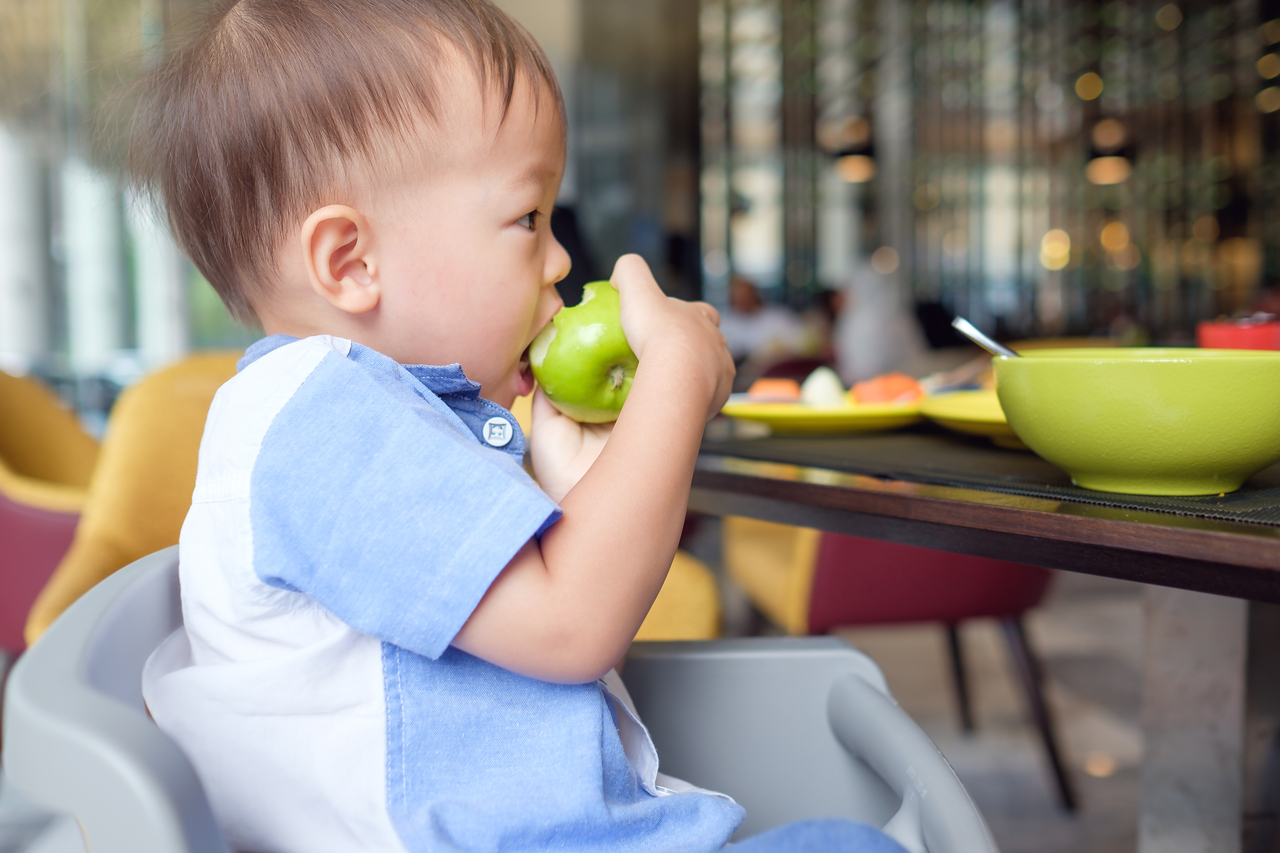
A restaurant’s policy requiring food orders for toddlers has sparked online debate over whether the policy is a reasonable business practice or a sign of a growing child-unfriendly dining culture, news reports said Monday.
According to JTBC, a woman in her 30s recently visited a restaurant serving traditional Korean food with her 2-year-old child and a friend who also brought her toddler.
When the mothers each ordered grilled pork marinated in gochujang, or Korean red pepper paste, the restaurant owner asked them to place additional orders for the two children, leaving them puzzled.
"I had never seen the ‘one item per person’ rule applied to toddlers before. Since they cannot eat spicy food, we were planning to order two bowls of rice, mix the rice with water and have the children eat it with the side dishes we brought from home," the mother said.
The mother told the restaurant owner that the toddlers were too young to eat seasoned adult food, but he insisted that additional orders were necessary as the children were still using seats and tableware.
The incident drew backlash on parenting forums online.
Many restaurants and cafes in South Korea require each seated customer to order at least one item, a practice intended to ensure minimum spending per table and limit excessive sharing.
The rule, however, has usually applied only to adults, with young children generally provided with baby utensils and high chairs free of charge and not expected to order separate meals.
At many buffet restaurants, children under 36 months old are commonly allowed to dine free when accompanied by adults. The 36-month threshold has also long served as a standard for free admission at public facilities such as museums, amusement parks and public transportation.
“Demanding payment for seats while only serving food that children cannot eat is basically telling parents not to bring their kids. The restaurant owner should have just put up a ‘no kids zone’ sign,” one user wrote on Moms Holic, one of Korea’s largest online parenting forums.
Some restaurant owners, however, argued that additional orders are a fair payment for the convenience and services provided to children while they occupy seats at restaurants.
“We provide baby chairs and utensils, heat up food parents bring for their toddlers and clean up the mess kids make. Sometimes parents even leave behind snacks or side dishes they brought from home, and we clean those up too,” one user wrote on Apeunikka Sajangida, the country’s largest online community for small business owners with 1.9 million members.
“Korea does not really have a tipping culture, but in the US, people often leave tips when restaurants provide extra services for babies and toddlers,” another user wrote.
Some experts say what was once a consideration for families with young children is gradually becoming treated as a paid service amid soaring prices and the ongoing struggles faced by small business owners.
“It is understandable that parents worry about rising dining costs while small business owners struggle with declining profits. Some restaurants appear to be charging toddlers because of a small number of parents who make excessive demands or leave restaurants messy after bringing children,” said Park Sang-hee, a professor at Chungbuk National University's psychology department.
“Since not all parents behave that way, both sides need to show a little more consideration and find a compromise.”
cjh@heraldcorp.com