Throughout its long history, Kazakhstan has been a place where East and West have met and blended, shaped by exchanges along the Silk Road and the nomadic traditions of the steppe.
That legacy continues today in Kazakhstan’s capital Astana, which is emerging as a growing stopover destination for travelers between Asia and Europe, helped by its central location.
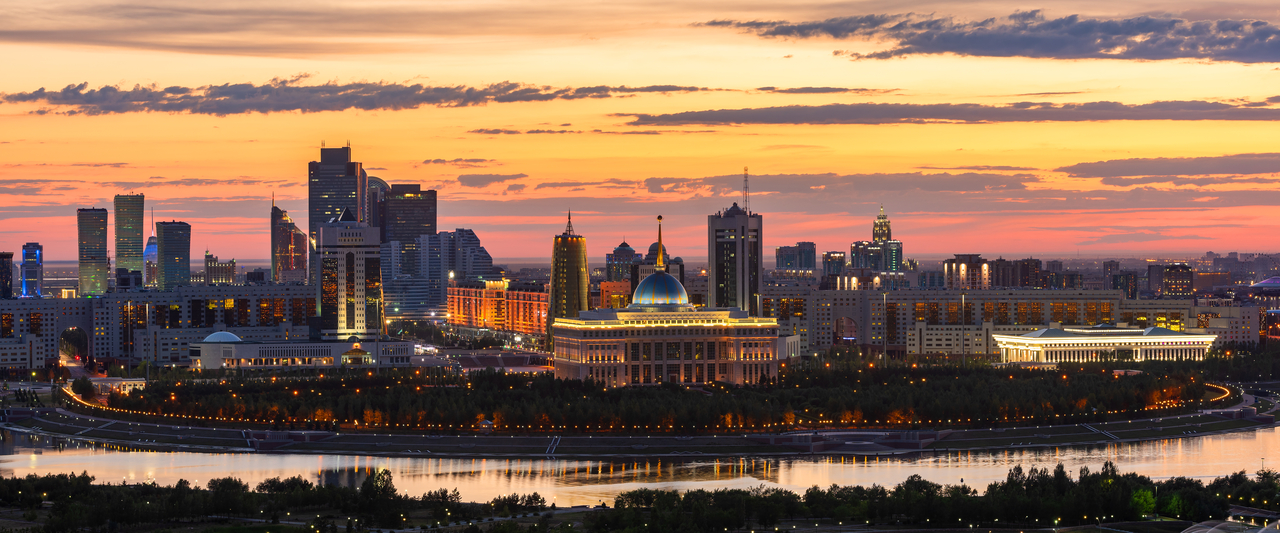
The city is drawing more transit travelers with its distinctive appeal, marked by the contrast between steppe heritage and a futuristic skyline. Visitor numbers have risen from around 650,000 in 2014 to roughly 1.5 million in 2024.
Its appeal is further shaped by bold, eclectic architecture and a wide range of cultural experiences, from expansive history museums to operas rooted in folk traditions and grand religious landmarks, all in a city that only became the capital in 1997.
Here are some places to visit for a brief yet immersive look at modern Astana.
National Museum of the Republic of Kazakhstan
For centuries, Central Asia’s vast nomadic history remained little known to much of the outside world, particularly during the Soviet era. Today, Kazakhstan’s economic rise is bringing that heritage into wider global view.
One of the most prominent showcases is the National Museum of the Republic of Kazakhstan, among the largest museums in Central Asia.
The museum traces the history of the vast steppe once inhabited by Turkic nomads, stretching from northeastern China to Eastern Europe. Among its highlights are intricate gold artifacts, noted for their delicate patterns and refined craftsmanship dating back thousands of years.
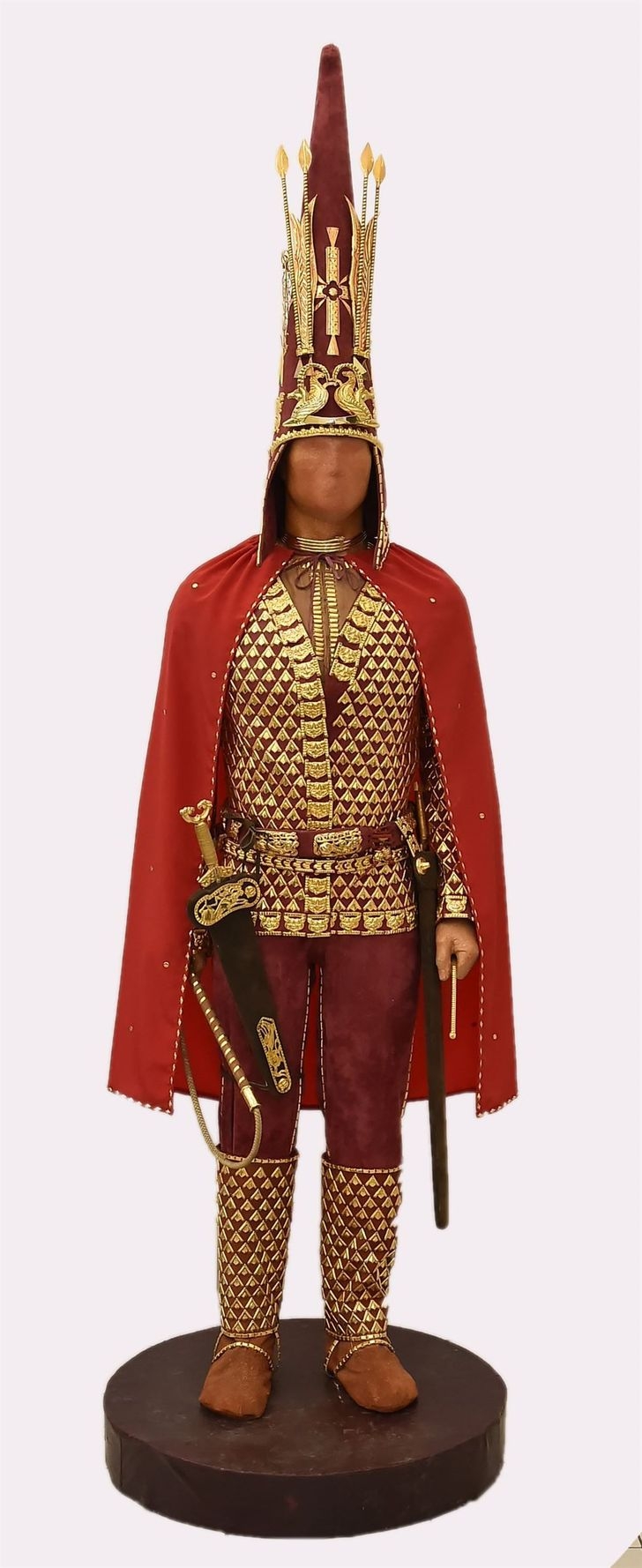
Visitors can also see a reconstruction of the famed “Golden Man,” discovered in a burial mound near Almaty. Believed to be a young Saka, or Scythian, noble, the figure is adorned with about 4,000 gold ornaments, including an elaborately decorated costume, a pointed headdress and a ceremonial sword.
The museum also presents everyday life in earlier eras, with displays of traditional dwellings, clothing, musical instruments and utensils, offering a vivid glimpse into life on the steppe before the rise of modern cities.
Astana Opera
The capital’s opera house stands out for its grand classical exterior and richly decorated interior, even though it opened relatively recently, in 2013. The building is especially striking at night, when its white facade is illuminated.
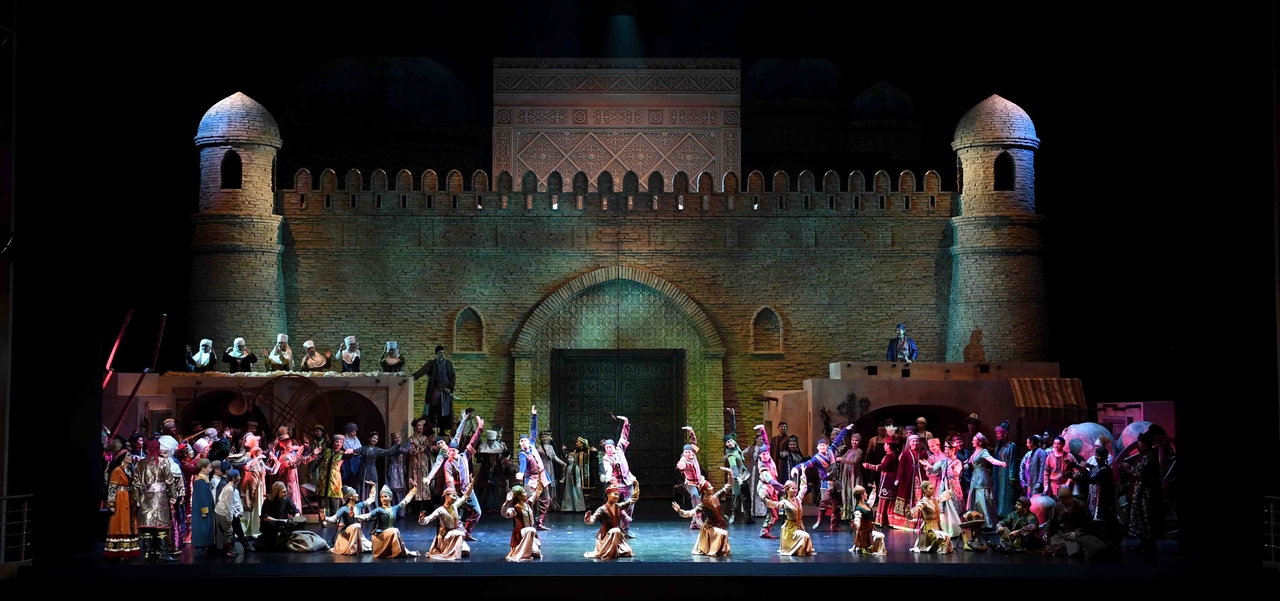
While the opera house stages a wide range of global classics, it is also known for productions rooted in Kazakh culture, featuring elaborate traditional costumes and narratives drawn from folklore.
Among its most iconic works is “Kyz Zhibek,” often translated as “Beautiful Zhibek,” and regarded as the first opera based on Kazakh heritage. Inspired by a 16th-century epic, the story centers on love, rivalry and tragedy.
Blending Western orchestration with traditional Kazakh instruments, the performance is known for its dynamic choreography and large-scale staging. Subtitles are provided in English and Russian.
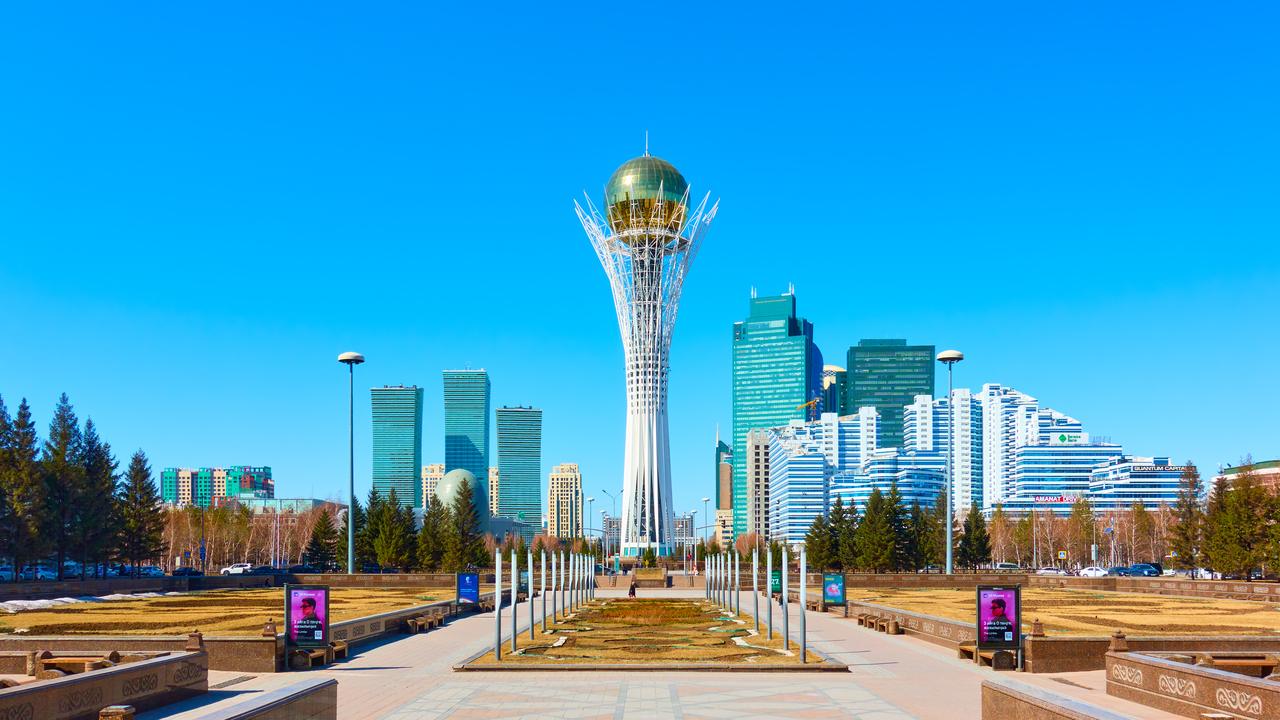
Baiterek Tower
A defining landmark of Astana, the Baiterek Monument stands at the heart of the city, surrounded by key government institutions including the presidential office and major ministries.
Rising 105 meters, the tower symbolizes the relocation of the capital from Almaty to Astana in 1997. Its observation deck offers panoramic views of the city’s rapidly developing skyline and the vast steppe beyond.
Visitors can join guided tours to learn about the city’s development while taking in the contrast between modern urban design and traditional influences.
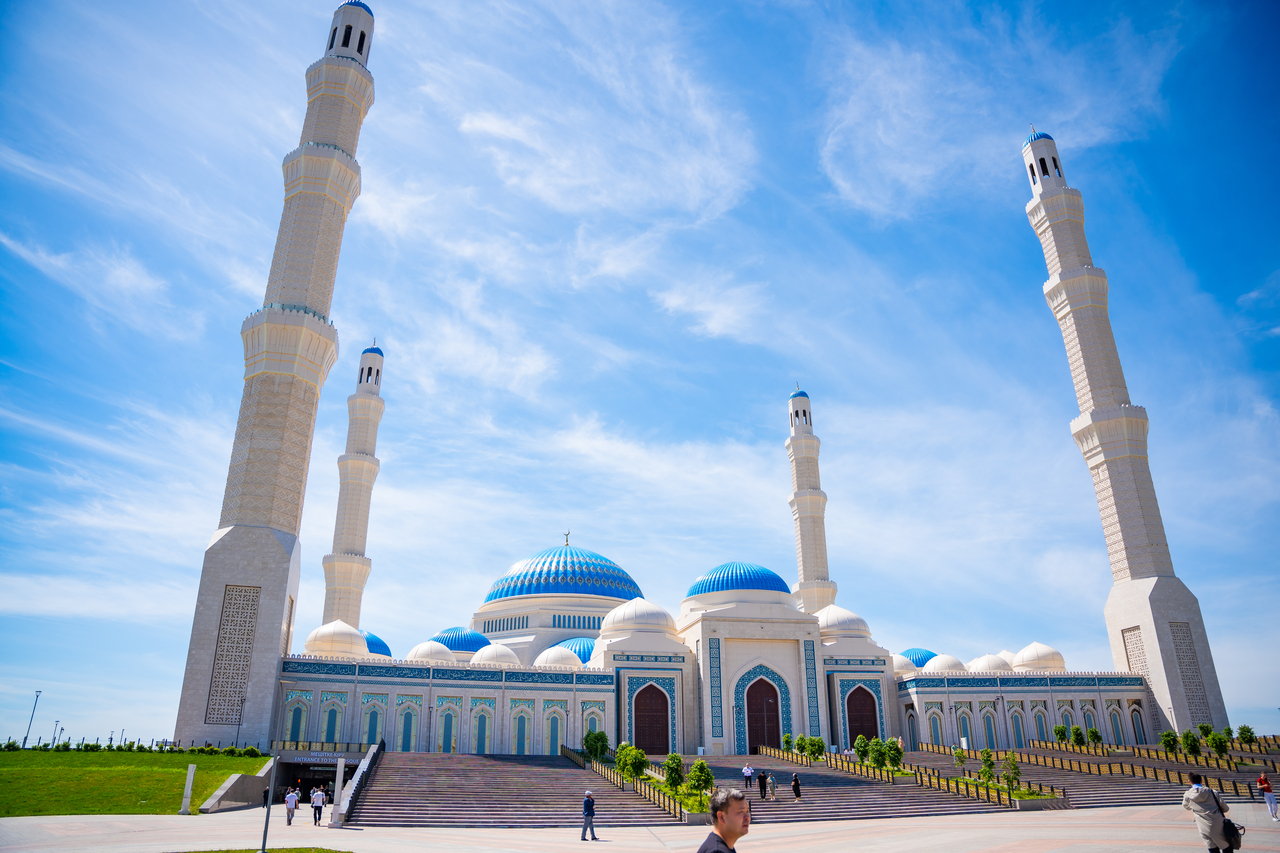
Grand Mosque of Astana
Often described as the largest mosque in Central Asia, the Grand Mosque of Astana stands near the southern edge of the city center, distinguished by its blue-and-white domes and towering minarets.
Covering approximately 68,000 square meters, the mosque can accommodate up to 30,000 worshippers at once.
Inside, visitors pass through elegantly designed corridors adorned with intricate floral patterns before entering a vast prayer hall decorated in soft sky-blue tones and traditional Kazakh motifs commonly seen in the country’s architecture and clothing.
The mosque is open to visitors of all backgrounds. Guests are expected to dress modestly. Women are asked to cover their hair, while both men and women are advised to avoid shorts or revealing clothing.

forestjs@heraldcorp.com