
Picnics on mats at Seoul National Cemetery fuel complaints, prompting staff action
Every April, beneath the peak bloom of cherry blossoms, Seoul National Cemetery, the resting place of the country's fallen heroes and martyrs, takes on an unexpected festive air.
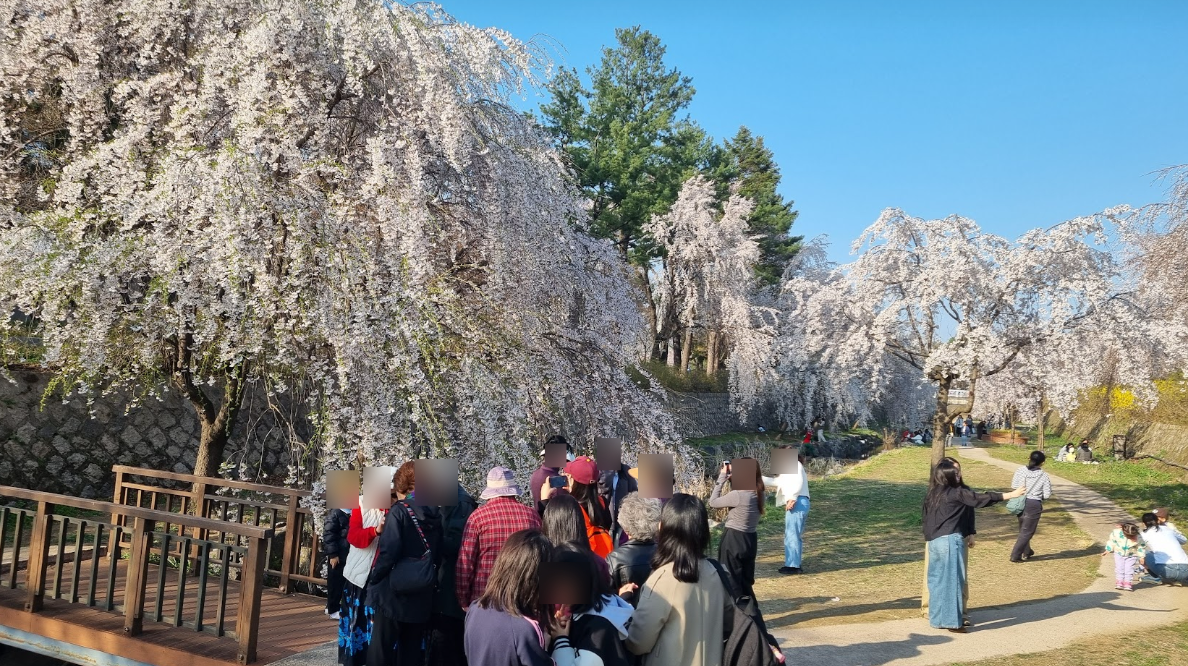
Families and couples stroll along tree-lined paths around the cemetery's pond to take in the blossoms, stopping for photos beneath the trees, while others lay out picnic mats on open grassy areas to relax in the spring breeze or enjoy snacks.
But the sight of picnic mats in the national memorial space has become a growing nuisance for mourners.
"We've received multiple complaints about visitors behaving inappropriately on picnic mats, such as lying down or playing music — actions that clash with the cemetery's purpose," an official at the cemetery told The Korea Herald.
"The situation has only worsened since the site recently gained traction on social media as a cherry blossom hot spot."
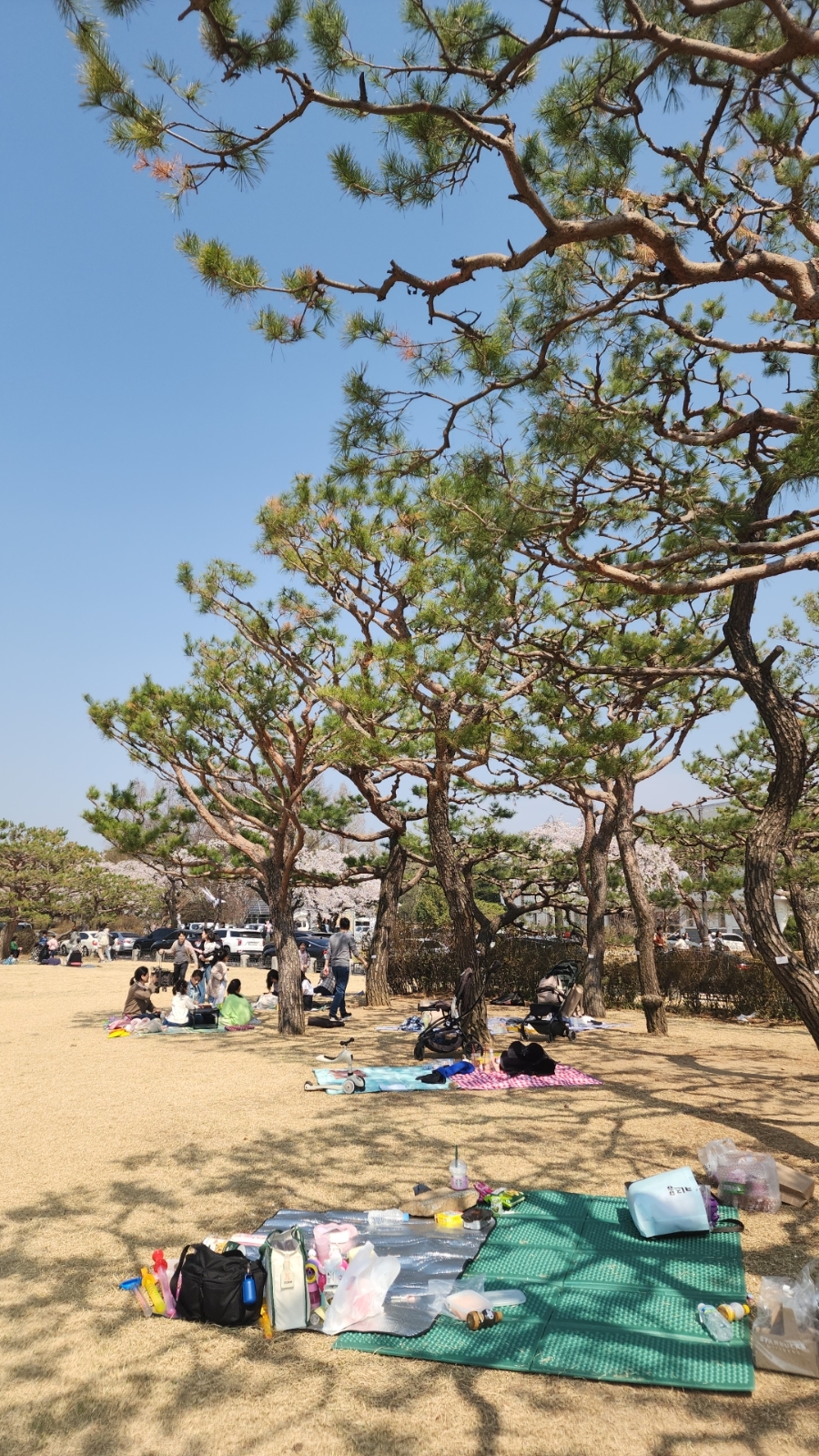
Set beside a bustling intersection in Dongjak-gu, western Seoul, the solemn cemetery, nestled amid dense greenery, has long allowed mourners to spread out picnic mats and bring in food for memorial rites. The practice extends to grassy areas beyond the burial grounds, though alcohol is prohibited.
This allowance, generally applied to the public as well, has turned the grounds into a favored spot for family outings and a popular choice for field trips among nearby day care centers and kindergartens.
More than 2.17 million people visited the state cemetery in 2024, more than doubling from 1.02 million in 2020, government data showed.
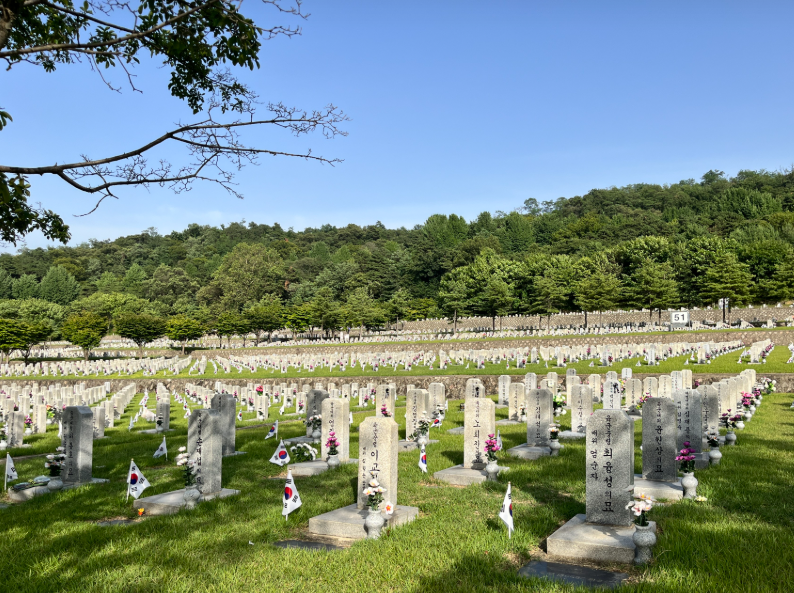
Some bereaved families and nearby residents have voiced frustration over the cemetery's weakening identity as a place of solemnity and remembrance.
"Whenever I see photos of the cemetery on social media, it's hard to tell if it's a Hangang Park or a national cemetery. Couples lie on picnic mats scrolling on their phones, and kids are running around playing ball. It's also a problem that people post these without really thinking," said Hwang Ji-mi, a 41-year-old resident of Dongjak-gu.
"I get that it's open to the public, but it still feels disrespectful to those who sacrificed their lives for the country. I've even seen parents lying down with their kids, and honestly, I don't think that sets a good example."
The cemetery responded to mounting complaints by stepping up on its site guidance, with staff asking visitors to refrain from lying on mats or behaving noisily.
"We don't have a rule banning people from lying on picnic mats, but our staff regularly patrol the grounds and advise visitors against inappropriate behavior. But we make exceptions for cases such as a mother lying down to breastfeed her baby or elderly visitors resting briefly due to health issues," the official said.
Established in 1956, Seoul National Cemetery, managed by the Ministry of Patriots and Veterans Affairs, is the nation's first state cemetery, where some 179,000 fallen patriots and war dead are laid to rest across 1.44 million square meters. Another national cemetery operates in Yuseong-gu, Daejeon, while a third is under construction in Yeoncheon, Gyeonggi Province, and is expected to be completed in 2027.
cjh@heraldcorp.com


![[Exclusive] Ateez to return in November](https://wimg.heraldcorp.com/news/cms/2026/09/02/news-p.v1.20260902.76162fb0ba55493aad1c076f240d0750_R.jpg?type=h&h=120)