Debate grows as nonurgent calls continue to strain S. Korea's emergency response system
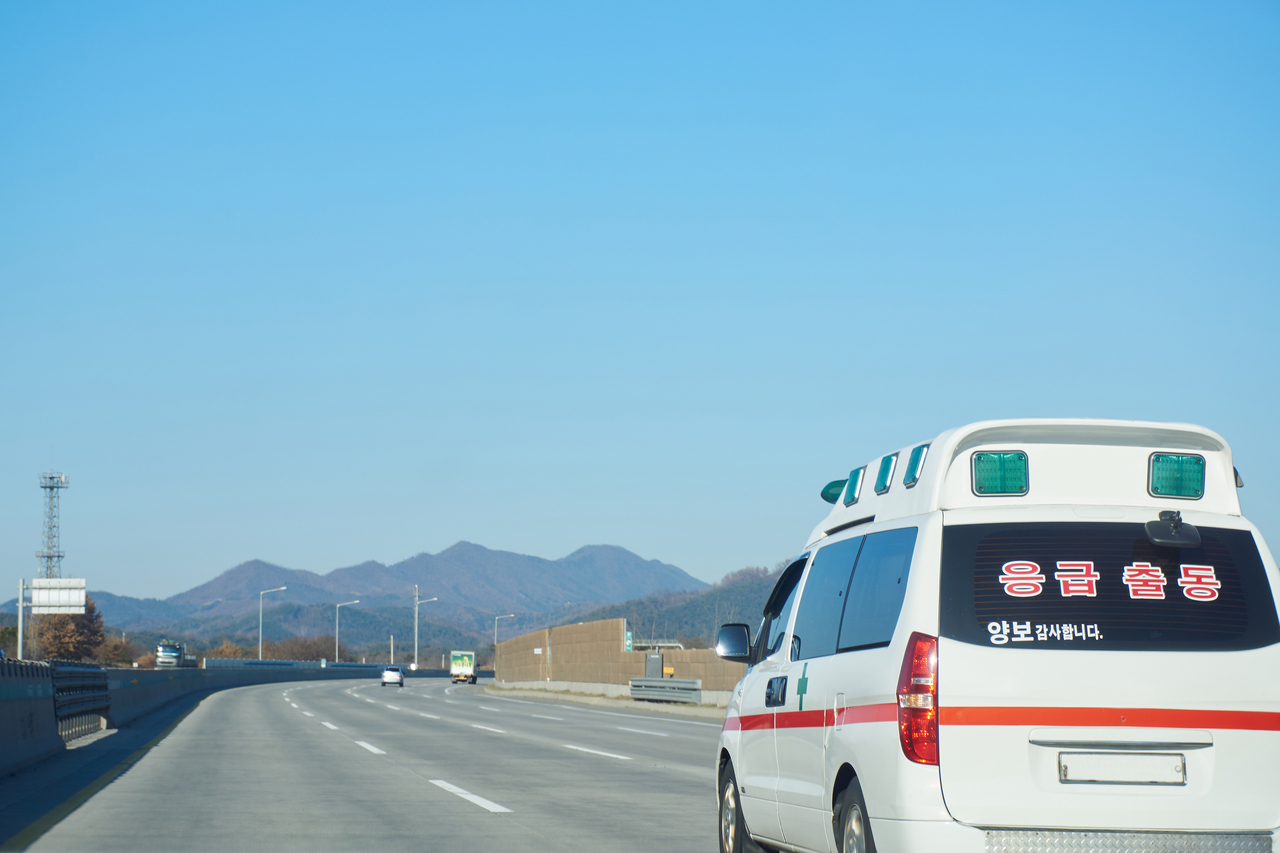
The ambulance call for a senior citizen who fell on the street has sparked an online debate over the proper use of emergency medical services, according to online communities Thursday.
In a post on Blind, a workplace community app, one user said an elderly woman stumbled and fell while walking along a path within their apartment complex. A nearby resident who saw it immediately called 119, the emergency hotline. The woman was transported to a nearby hospital. The user added that she is said to have suffered minor injuries with a scrape on her arm.
When the incident was shared on the apartment residents’ group chat on KakaoTalk, it sparked a heated debate over whether the response was appropriate.
While some saw the ambulance call as a prudent precaution, others argued it was an excessive use of emergency resources that should be reserved for life-threatening situations.
“Ambulances should be limited to genuine emergencies. In this case, it would have been more appropriate to notify the management office and have the woman handed over to her family,” one resident wrote in the group chat, according to the Blink post.
As the controversy escalated, the user conducted an online survey on the platform asking about the appropriateness of the resident’s 119 call. As of 10 a.m., 1,791 users had voted in the poll, with 80.4 percent deeming the call inappropriate and 19.6 percent saying it was acceptable.
The online debate comes amid growing concerns that emergency responses to life-threatening situations are being delayed by nonurgent calls that take advantage of the free public service.
According to the National Fire Agency, ambulances were dispatched 3,324,287 times in response to 119 calls in 2024. Of these, about 36 percent — or 1,207,780 cases — did not result in hospital transport, either because it was deemed unnecessary or no patient was found at the scene.
The shortage of ambulances in some cities, particularly in newly developed areas, has also added to criticism of the resident's action.
In Suji-gu, Yongin, Gyeonggi Province, which has a population of about 380,000, there are only two emergency centers, with just two ambulances in operation. In neighboring Giheung-gu, home to around 440,000 residents, four centers operate, but only five ambulances are in service, news reports said.