
Question raised over whether a room upgrade offered for Kwak's wife, a public official, crossed legal lines
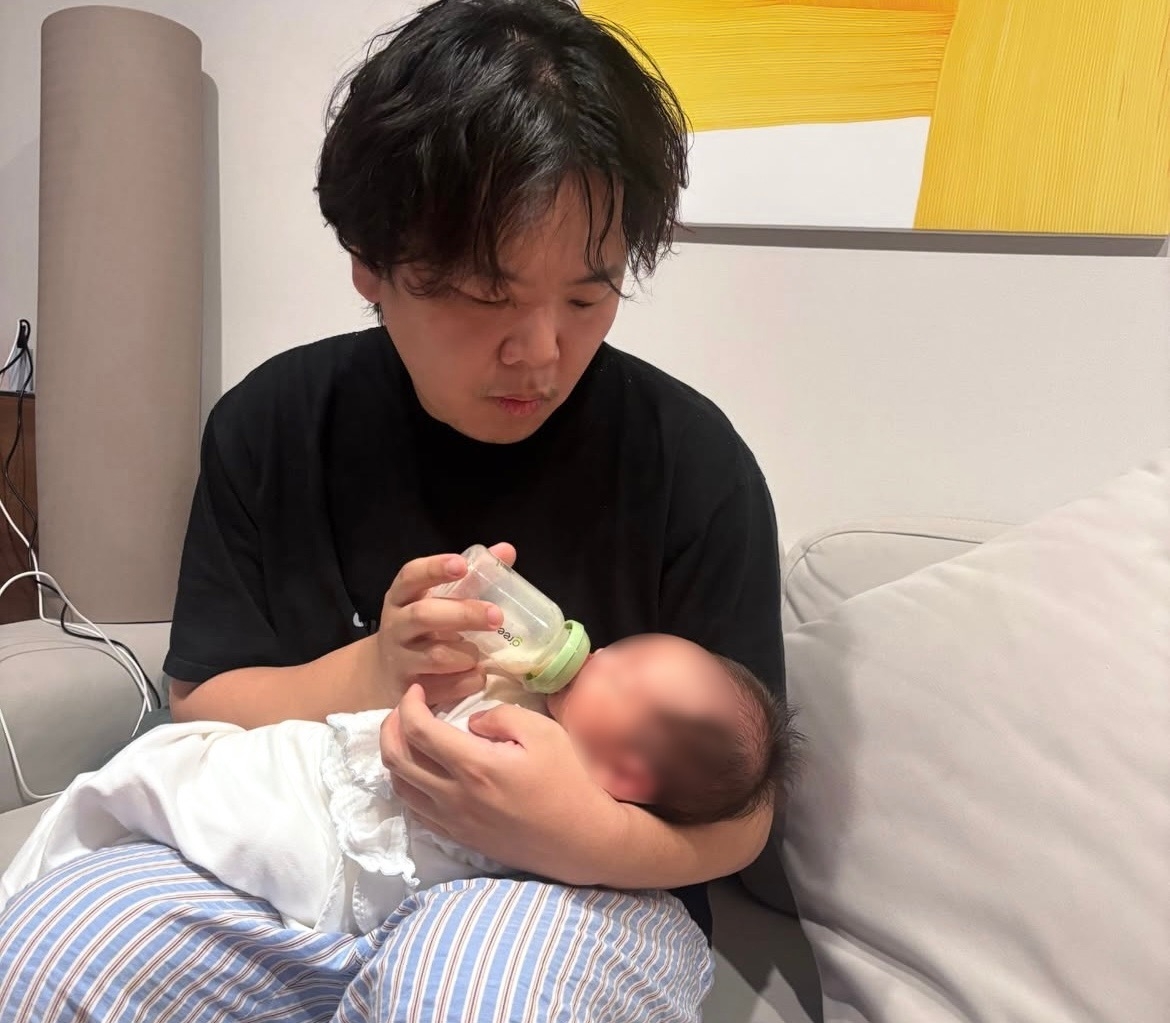
The Anti-Corruption and Civil Rights Commission said Tuesday it is reviewing whether a room upgrade at a postpartum care center, offered to the wife of travel YouTuber Kwak Joon-bin, may have violated the country's anti-graft law.
This comes after an online complaint was made on Friday, requesting a review of whether Kwak's benefit falls under the Improper Solicitation and Graft Act.
The petitioner also called for clearer guidelines, noting that the upgrade appeared to have been offered in exchange for publicity from a high-profile YouTuber, but the benefit received by his wife — a public official — raising broader questions about the scope of the law.
The controversy began after the YouTuber posted photos from the postpartum care center earlier in April with the hashtag "sponsored" on his social media account, which he deleted as criticism grew. His management agency, SM C&C, explained that the arrangement was not a full sponsorship and included only a room upgrade and access to several services at the center.
Two-week stays at the center range from 6.9 million won for standard rooms to 25 million won ($4,700 to $17,000) for presidential suites.
The upgrade is estimated to cost between 3.6 million won and 18.1 million won, raising questions about whether the benefit may have exceeded the legal limit.
The anti-graft law, more widely known as the Kim Young-ran law after the former Supreme Court justice who championed it while heading the commission, was introduced to curb corruption among public officials and certain professions, including journalists and educators. Under the law, receiving more than 1 million won in a single instance is punishable regardless of whether it is related to one’s duties, a measure aimed at curbing entrenched bribery.
Amid the backlash, Kwak said he had sought legal advice and was told the arrangement was a private contract between himself and the facility, unrelated to his wife’s official duties.
He later apologized, saying he had "not been careful enough.” Kwak also donated 30 million won to support single mothers and paid the full price for the upgraded services.
The anti-corruption watchdog said it will review the complaint and decide whether it needs to clarify how the law applies.
junheee@heraldcorp.com



![[Exclusive] Ateez to return in November](https://wimg.heraldcorp.com/news/cms/2026/09/02/news-p.v1.20260902.76162fb0ba55493aad1c076f240d0750_R.jpg?type=h&h=120)