Mexico’s Nuevo Leon is targeting Korean travelers and soccer fans ahead of the 2026 FIFA World Cup, highlighting strong connectivity, rising demand and an urban tourism strategy.
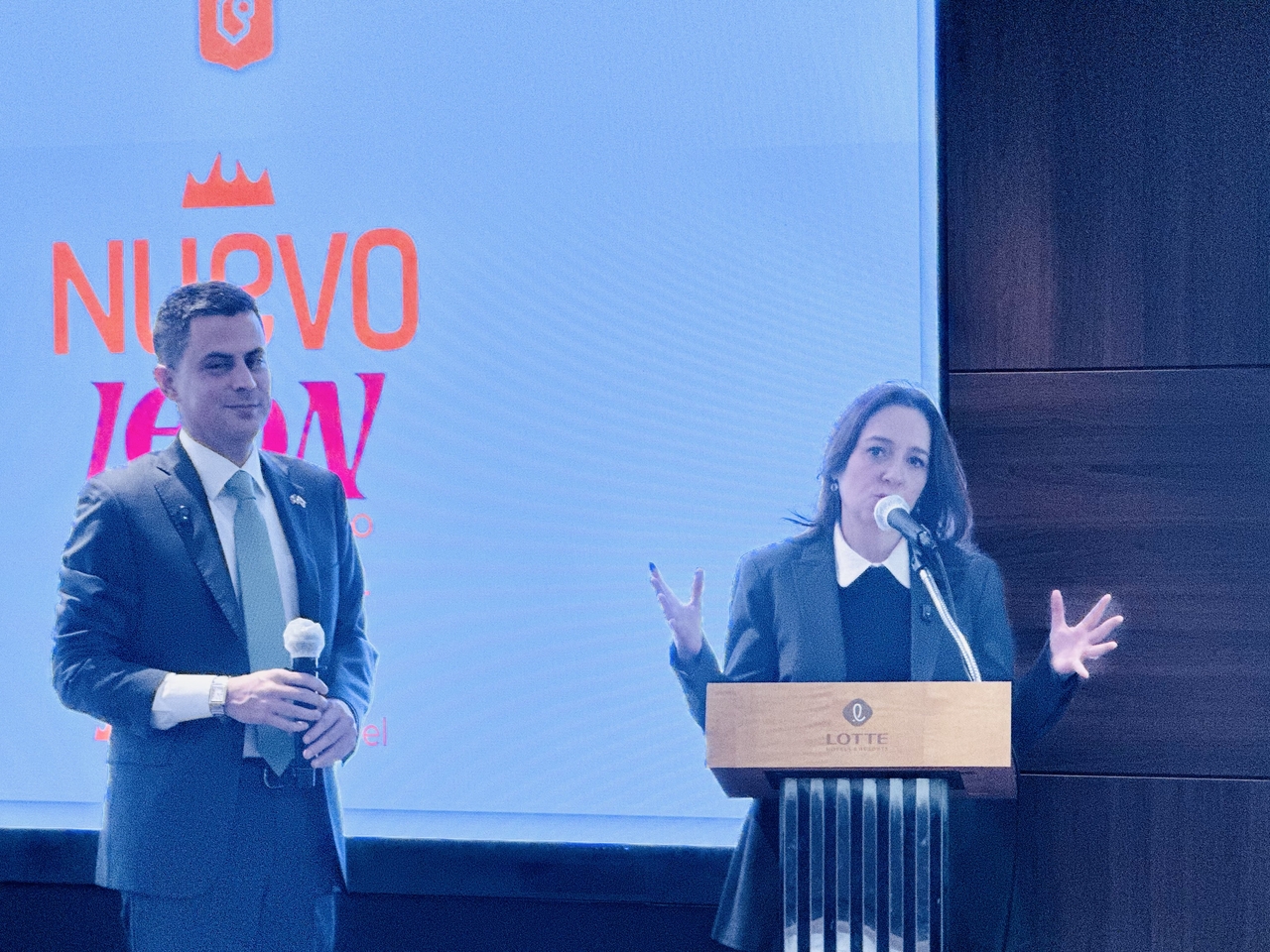
The state recently led a delegation, including the governor and tourism minister, to South Korea, hosting an event titled “Nuevo Leon, Host State of the World Cup 2026.”
Nuevo Leon has plans to host a Korea Week in June centered on Korea’s World Cup match in Monterrey, featuring K-pop and Korean food events to welcome fans, according to Maricarmen Martinez, minister of tourism of Nuevo Leon.
In an interview with The Korea Herald after the event, Martinez said the state — the capital of which, Monterrey, is an official host city for the tournament — is actively boosting outreach to Korea as part of its World Cup preparations.
“We are not starting from zero,” Martinez said, noting that Nuevo Leon signed a memorandum of understanding with the Korea Tourism Organization in November 2025 to deepen tourism cooperation.
Nuevo Leon has already laid out its international tourism road map and is leveraging existing air links ahead of the World Cup, with Monterrey emerging as a growing global aviation hub, according to the minister.
Nuevo Leon, home to Kia and over 150 suppliers, is strengthening its role as an automotive hub while promoting Incheon-Mexico City flights (about 13 hours) to support expected World Cup travel demand.
Kia also plans a $600 million investment to expand capacity and advance electric vehicles and sustainable production in the region.
Over 112,000 South Korean visitors traveled to Mexico in 2025, with Nuevo Leon leveraging its strong Korean industrial base and promoting the Incheon-Mexico City route to support expected World Cup travel demand.
“This suggests Nuevo Leon is working within a market that already exists,” Martinez said, acknowledging that no Monterrey-specific target for Korean arrivals has been publicly announced.
Facing competition from Cancun and Mexico City, Nuevo Leon is positioning itself as a globally connected, urban and soccer-forward destination with strong gastronomy and sustainability.
“We are not another beach destination or the federal capital,” Martinez concluded, pointing to a connected, experience-driven strategy ahead of the 2026 FIFA World Cup, with the KTO partnership playing a key role in attracting Korean visitors.
sanjaykumar@heraldcorp.com