

Analysts estimate Samsung Electronics' smartphone division suffered a sharp profit decline in the first quarter, caught on the wrong side of the memory chip boom that powered the company to its largest quarterly earnings on record.
A consensus of eight brokerages, including Heungkuk Securities, Shinhan Investment and KB Securities, projects the mobile experience and networks division earned roughly 2.5 trillion won ($1.7 billion) in operating profit during the January-March period.
If accurate, that would represent a drop of about 40 percent from the 4.3 trillion won the division reported for the same quarter last year, when Galaxy S25 sales accounted for 65 percent of Samsung's total operating profit and carried the company through a chip-sector slump.
Samsung on Tuesday disclosed preliminary consolidated figures only: revenue of 133 trillion won and operating profit of 57.2 trillion won, up 68 percent and 755 percent on-year, respectively. The quarterly profit surpassed Samsung's full-year 2025 earnings of 43.6 trillion won and beat the analyst consensus of 38.1 trillion won compiled by FnGuide.
Divisional results were not included in the preliminary filing and are expected later this month.
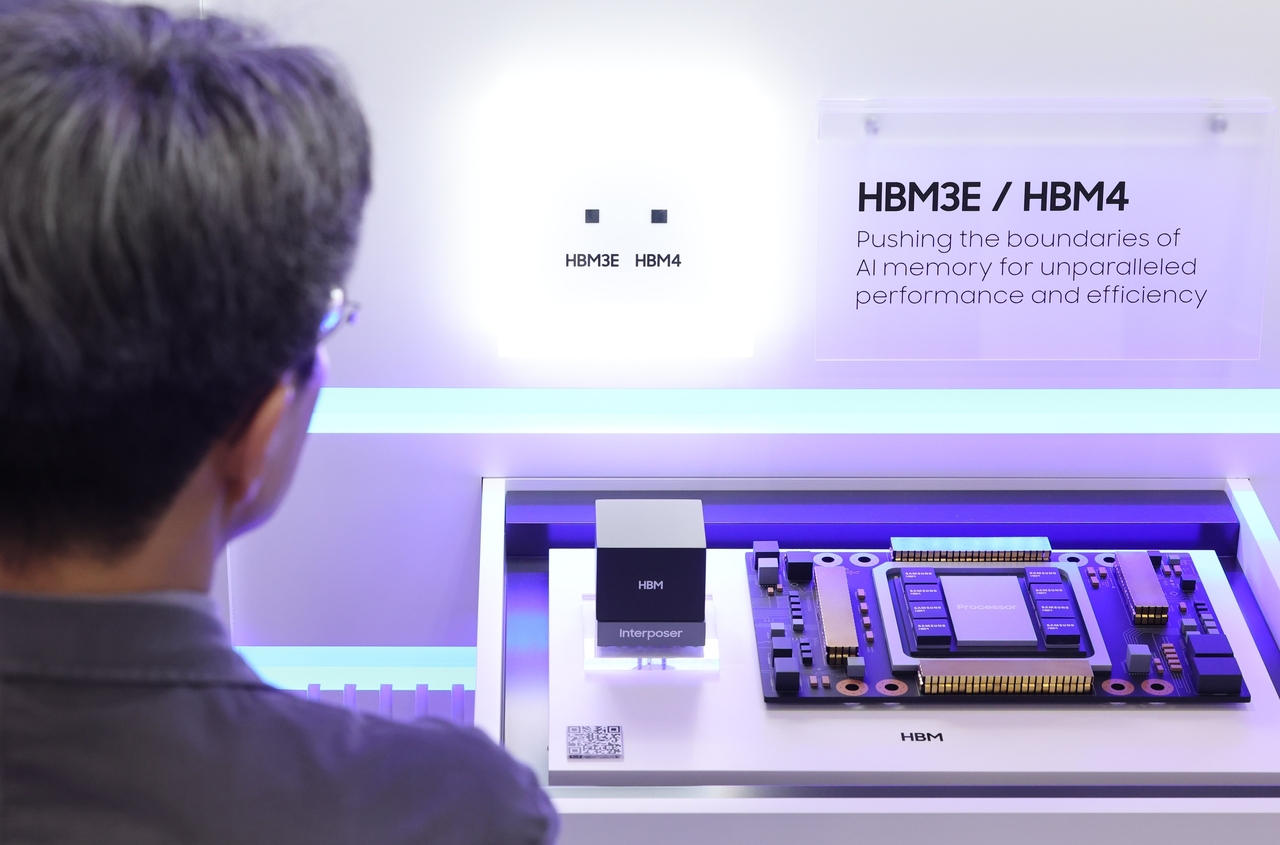
The projected weakness in the mobile unit stems from the same dynamic lifting Samsung's overall results. Artificial intelligence server buildouts by major cloud providers have strained supply of both high-bandwidth memory and conventional DRAM, driving prices sharply higher. Shinhan Investment estimates DRAM average selling prices rose 66 percent quarter-on-quarter in the first quarter. Memory components represent a significant portion of smartphone production costs, so those increases feed directly into handset margins.
The pressure looks set to intensify. TrendForce projects conventional DRAM contract prices will climb another 58 to 63 percent in the second quarter, with NAND flash expected to rise 70 to 75 percent. At the device level, Counterpoint Research estimates that bill-of-materials costs for a premium flagship configuration will increase by $100 to $150 by the second quarter, with memory alone accounting for over 40 percent of total component costs.
Counterpoint forecasts global smartphone shipments will fall 12.4 percent this year.
Samsung's own pricing actions suggest the company is already absorbing real cost pressure. The Galaxy S26, launched in March, starts at $899.99 in the US, $100 more than its predecessor for the base and Plus models. This month, Samsung also raised Korean retail prices on existing devices including the Galaxy Z Flip7 and Z Fold7, concentrating increases on higher-storage configurations.
Not all brokerage estimates are equally bearish. Meritz Securities analyst Kim Sun-woo placed mobile experience and networks operating profit closer to 4 trillion won for the quarter, citing a favorable product mix from flagship shipments and the use of lower-cost inventory purchased before prices surged.
Kim also noted, however, that the full impact of rising memory costs would likely reach the division starting in the second quarter.
mjh@heraldcorp.com



![[Exclusive] Ateez to return in November](https://wimg.heraldcorp.com/news/cms/2026/09/02/news-p.v1.20260902.76162fb0ba55493aad1c076f240d0750_R.jpg?type=h&h=120)