

Though no harmful substances detected in all 620 samples of '1,000 won pastries,' authorities stress the need to check expiration dates
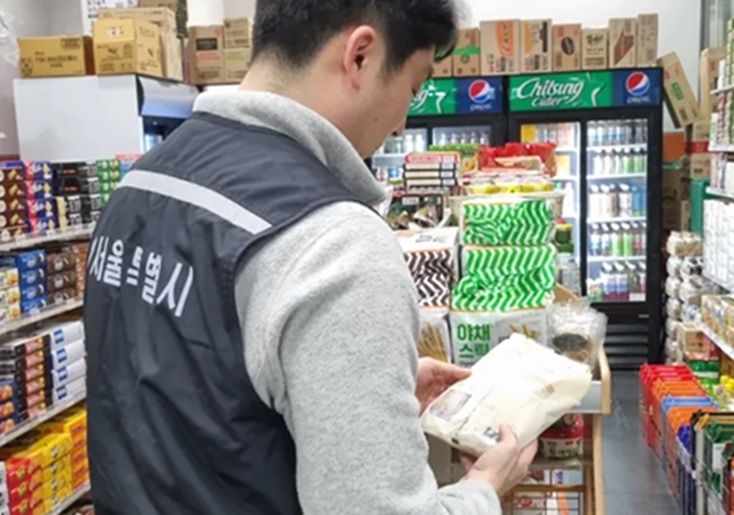
As inflation persists, packaged pastries priced at around 1,000 won (67 cents) and sold at subway stations and convenience stores are gaining popularity among busy workers seeking a quick snack.
While enjoying the low prices, many could not shake the idea that something might be off about the cheap pastries, especially given their long shelf life.
However, a recent inspection by the Seoul Metropolitan Government found no major safety violations, according to local reports Wednesday.
The inspection covered about 620 samples of imported and domestically produced 1,000 won pastries collected from retail outlets nationwide between March 16 and 27. The Seoul Institute of Health and Environment tested the products for key preservatives — including propionic acid, sodium propionate and calcium propionate — as well as the use of tar-based colorants.
All products met safety standards.
“No products were found to violate safety standards, but consumers should still carefully check expiration dates when purchasing,” a city official said.
The results indicate that the products comply with existing safety regulations, but do not necessarily speak to their nutritional value or overall ingredient quality.
Wrapped in plastic bags, low-cost pastries are typically sold as single items, with fillings ranging from red bean paste to custard cream, or topped with sausage and cheese.
Amid rising demand for affordable baked goods, more brick-and-mortar stores specializing in cheap pastries have recently emerged.
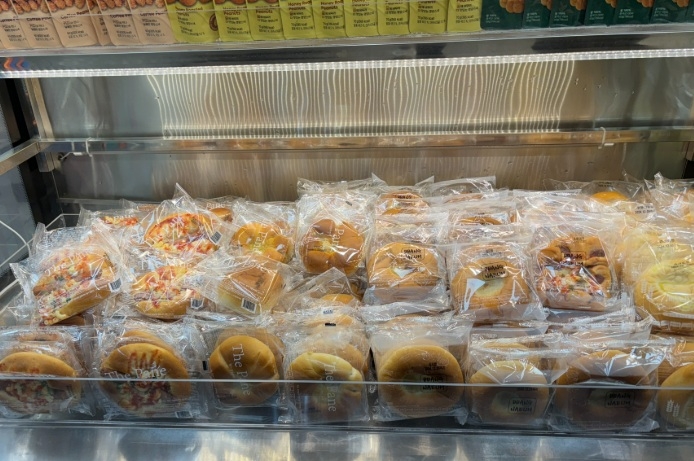
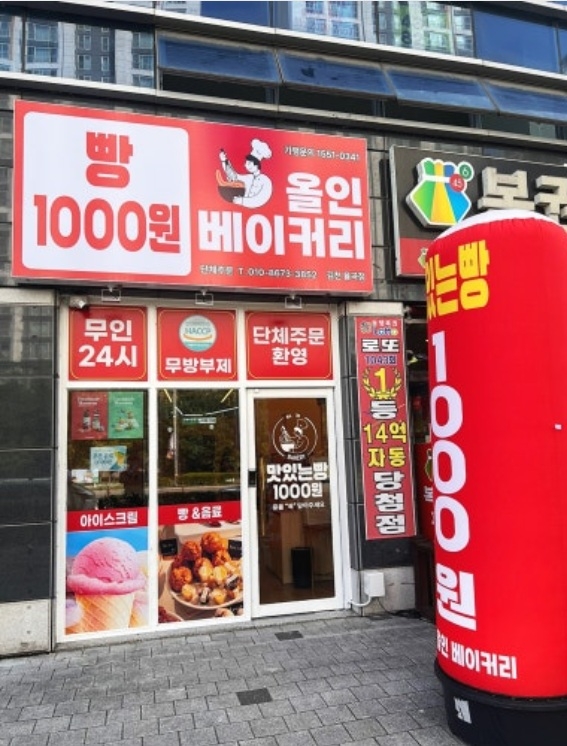
“I started selling 1,000 won (pastries) alongside ice cream in winter, and some customers even buy in bulk. It has become a real bestseller,” wrote a shop owner running a self-service ice cream store on Naver Blog.
The products have also gained traction in online forums dubbed “geojibang,” where members exchange tips on extreme cost-cutting, sharing information on which subway stations offer the widest selection and which flavors are most popular.
“As Koreans shift toward bread over rice and dining costs continue to rise, the 1,000 won price has strong appeal. With extreme frugality turning into a meme, these products are becoming even more popular,” said Kim Dae-jong, a professor at Sejong University.
cjh@heraldcorp.com