
Korea’s image abroad is converging on culture and innovation rather than geopolitical anxiety, state data finds
Somewhere in Paris, a woman finishes her commute and opens Netflix — not to browse, but to resume. She already knows what she wants: the next episode of "When Life Gives You Tangerines," the Jeju Island-set drama she discovered through a thirty-second clip on Instagram three days ago. In Sao Paulo, a university student is doing the same.
This is what Hallyu looks like in 2026 — not a moment of discovery, but a matter of routine. The data is now in to prove it.
The Ministry of Culture, Sports and Tourism and the Korea Foundation for International Cultural Exchange released results Monday from their 2026 Overseas Hallyu Survey, the largest and most comprehensive tracking the global consumption of Korean cultural content. Now in its 15th year, this edition surveyed 27,400 people aged 15 to 59 across 30 countries — adding Singapore, Chile and Poland for the first time — between November and December.
The headline figures show that consumers of Korean content now spend an average of 14.7 hours and $16.60 per month doing so, up from 14 hours and $15.40, respectively, from the previous year's survey.
Audiences encounter a scene, a song, a beauty tutorial, then migrate to long-form OTT platforms to consume the original, the survey shows. For variety shows, the funnel runs even more sharply: SNS and short-form platforms were the primary point of contact for 61.4 percent of variety content consumers, outpacing OTT as a first touchpoint.
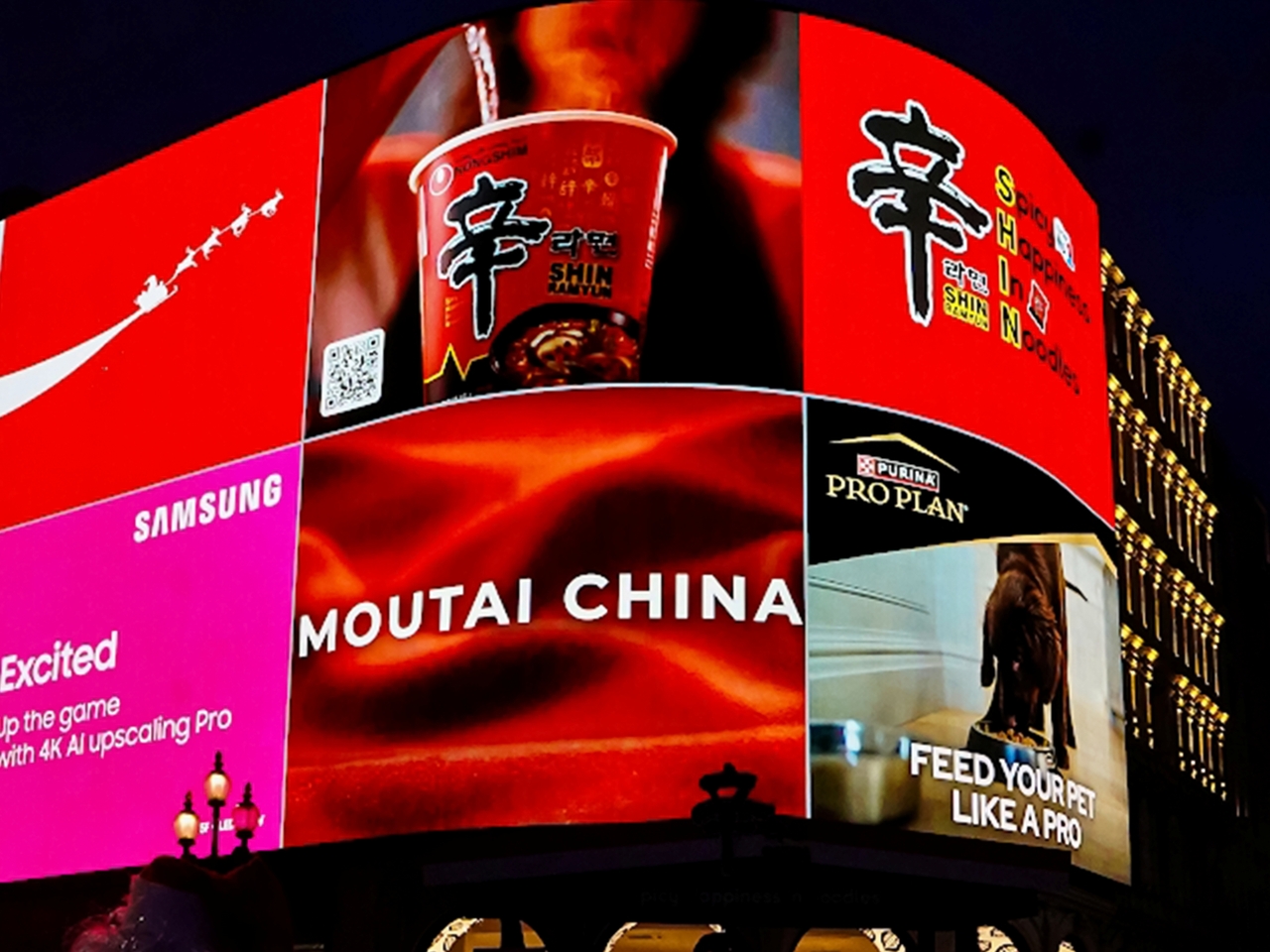
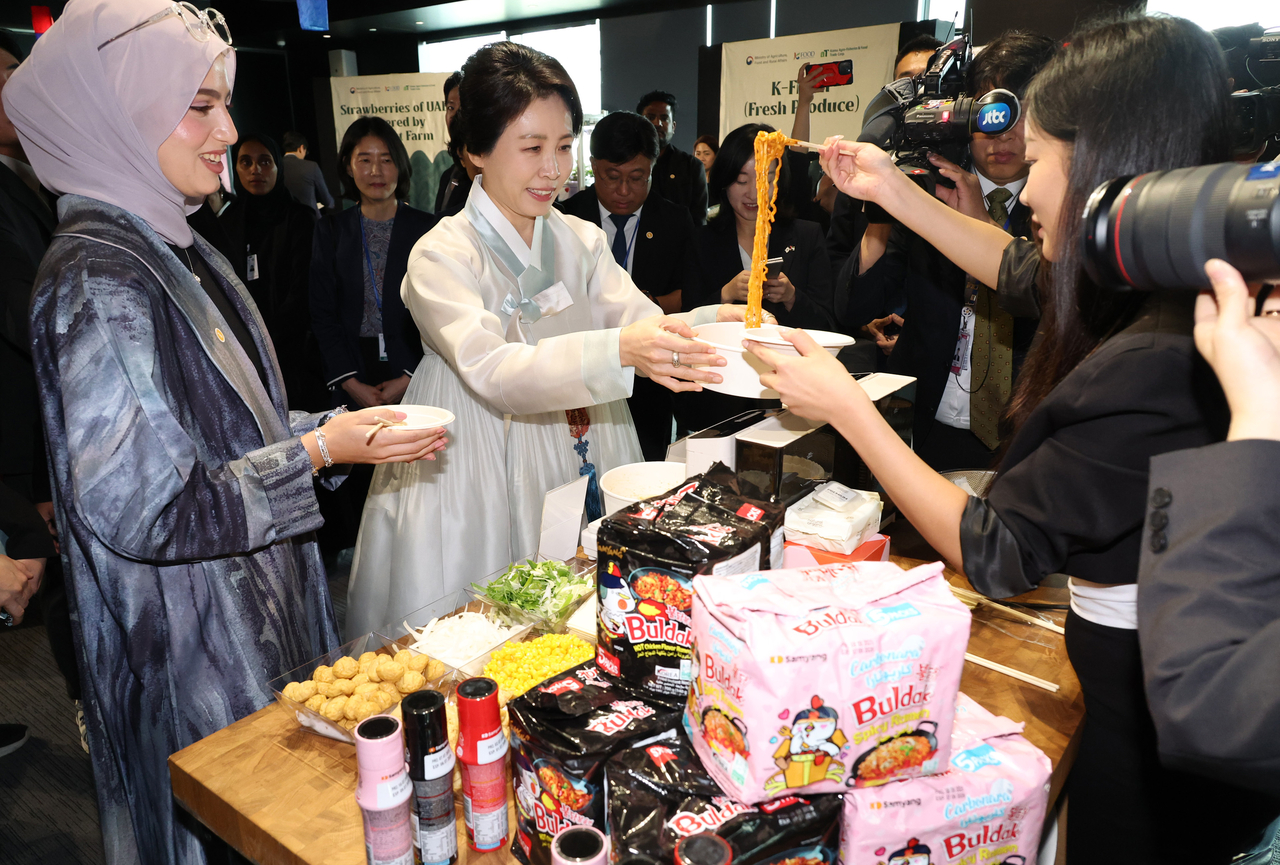
While K-pop is the cultural product most associated with Korea globally, food topped the experience rate chart slightly ahead of film, drama and music.
"North Korean nuclear threat/risk of war" — once a fixture in the upper rankings — dropped out of the top 10 entirely, displaced by IT products (4.8 percent) and automobiles (3.6 percent), suggesting Korea's global image is consolidating around a culture-and-technology identity rather than geopolitical anxiety.
Regarding how consumers define Korean content, respondents ranked cultural elements first at 23.3 percent, ahead of Korean cast members (21.8 percent) and Korean settings. The country of production ranked lower than all three.
The dominant narrative of Hallyu's spread has long centred on Asia. While Asia-Pacific markets continue to report the highest overall experience rates across content categories, the growth rate was higher in Western countries.
In the US, experience rates for Korean film, dramas and variety programs all rose by more than 10 percentage points year-on-year. In the UK, fashion, animation and publication categories recorded gains of up to 12.3 percentage points. Across Southern Europe, Korean music surged: France was up 11.3 points, Italy up 9.7 and Spain up 6.4.
These are not incremental shifts. For researchers who have conducted this survey for fifteen years, the magnitude of Western acceleration in a single year represents a qualitative change — the moment at which Asian cultural saturation gives way to mainstream Western adoption. The survey's authors describe it as Korean content crossing into the "primary culture market" of Western countries, no longer a niche imported preference but a competitor for primetime attention.
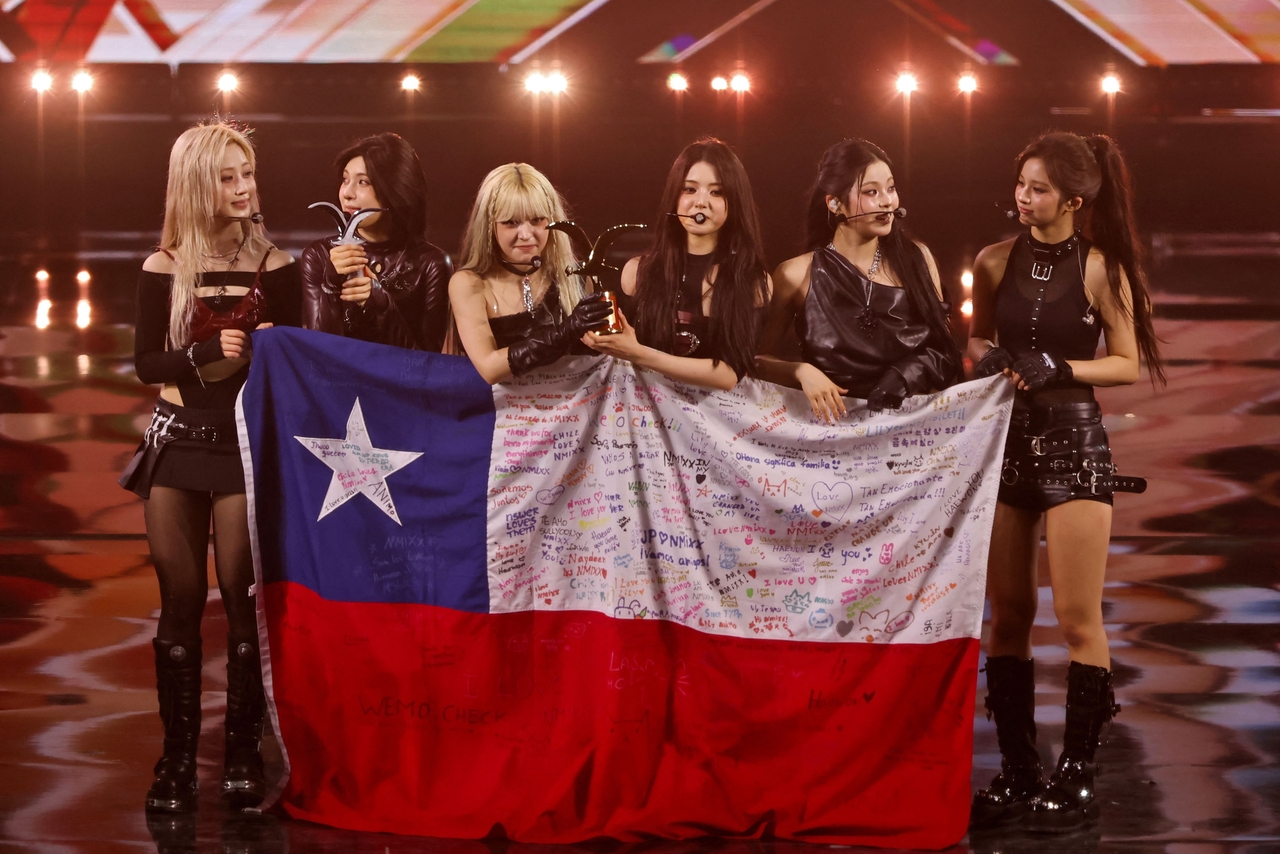
The inclusion of Singapore, Chile and Poland this year reflected strategic interest in emerging markets.
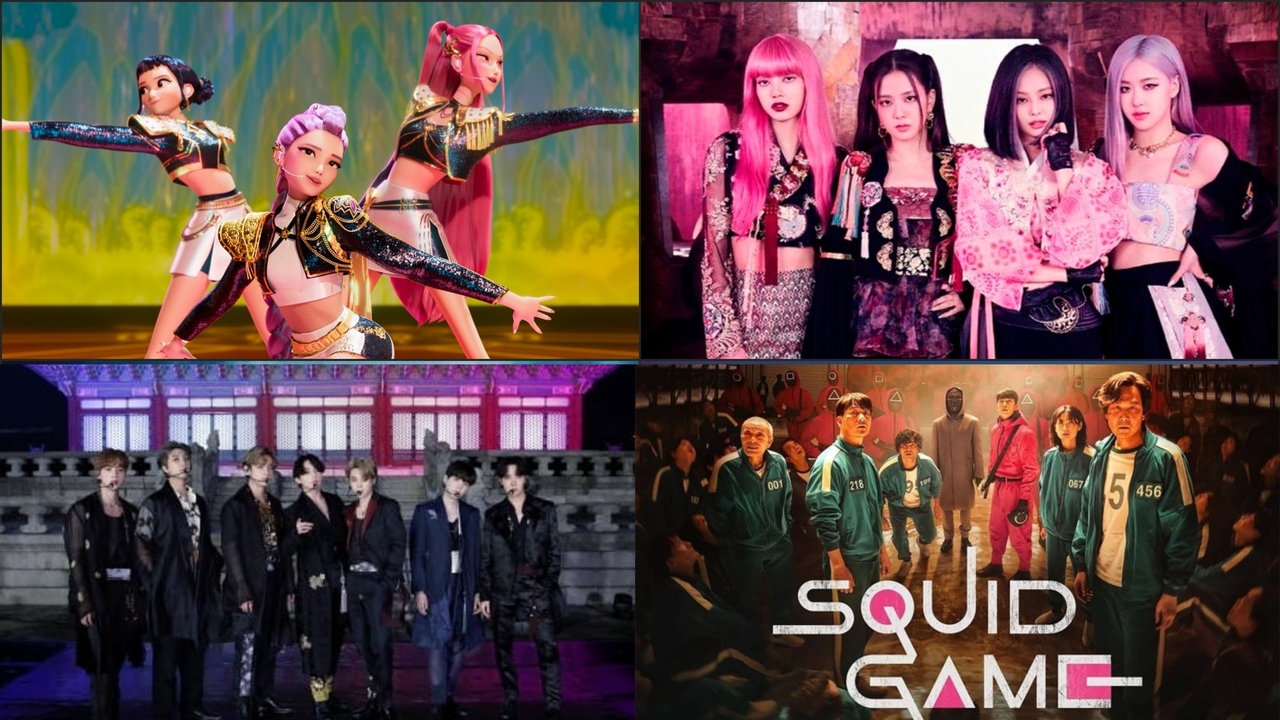
In the competition for global preference, familiar titles continue to dominate. "Squid Game" holds first place as the most-preferred Korean drama at 12.4 percent, while "Parasite" retains the top spot among films at 8.3 percent. In gaming, PUBG: Battlegrounds has held first place for five consecutive years at 8.4 percent.
But 2025 brought genuine challengers. "When Life Gives You Tangerines" debuted at No. 2 in the drama rankings, with particularly strong resonance in Latin America. In animation, "King of Kings" entered the top five in its release year, demonstrating Korean animation's growing reach beyond its traditional youth audience.
BTS held the title of most-preferred Korean musical act for the eighth consecutive year. Actor Lee Min-ho claimed first place among Korean actors for the thirteenth year running. IU appeared in both rankings.
This year's survey introduced a new question: Who was the most influential Hallyu figure of 2025?
BTS took the top spot, followed by Lee Min-ho in second, Blackpink and Jungkook tied third, and Lisa fourth. Sharing fifth place with IU was Lee "Faker" Sang-hyeok. The League of Legends world champions' entry into the rankings signals that Hallyu's reach has now extended into esports.
The survey also explored drivers of negative sentiment.
Leading the responses, cited by 16.1 percent of critical respondents, was "excessive commercialism." This was followed by concerns about the North Korea situation and inter-Korean division (12.9 percent), inappropriate behavior by Korean celebrities (11.5 percent), and anxiety about the impact of foreign content on domestic cultural industries (11.3 percent).
Park Chang-sik, president of KOFICE, said the results show that "Hallyu has moved beyond a simple content trend to become structurally embedded in global markets." He added that the foundation would "closely analyze the changing consumer environment and demand through enhanced research, and support sustainable growth strategies for the Hallyu industry on that basis."
gypark@heraldcorp.com