South Korea is stepping up intellectual property cooperation with Southeast Asia, signing separate agreements with Singapore and Philippines to expand collaboration in artificial intelligence, enforcement and IP commercialization.
The deals, led by Korea's Ministry of Intellectual Property, were signed on the sidelines of presidential visits, underscoring Seoul’s push to strengthen its influence in shaping IP rules across fast-growing regional markets.
With Singapore, Korea agreed to deepen cooperation with the Intellectual Property Office of Singapore, focusing on the use of AI across patent examination and administrative services, as well as legal frameworks governing AI-related inventions.
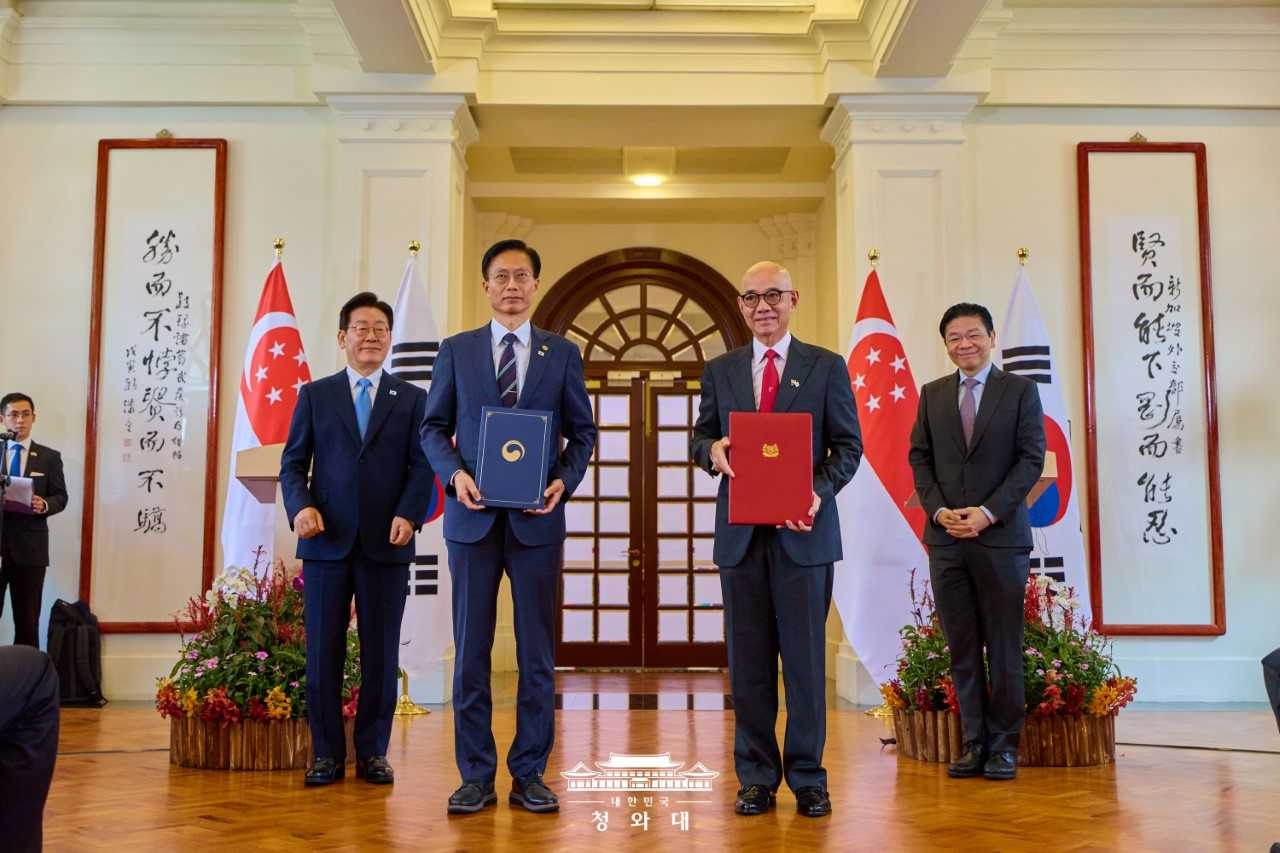
The memorandum of understanding also includes collaboration on AI-driven IP valuation, aimed at expanding IP-backed financing and commercialization — an area where Korea has long sought to close the gap with more advanced markets.
The agreement marks the first concrete outcome in IP cooperation since the two countries upgraded ties to a strategic partnership in 2025, coinciding with the 50th anniversary of diplomatic relations. Officials from both sides emphasized the growing importance of intellectual property as a foundation of industrial competitiveness in an era defined by digital transformation and intensifying global AI competition.
Intellectual Property Minister Kim Yong-sun and IPOS Chair Nicky Tan agreed to begin working-level discussions to implement the agreement, signaling a shift toward more institutionalized and technology-driven cooperation.
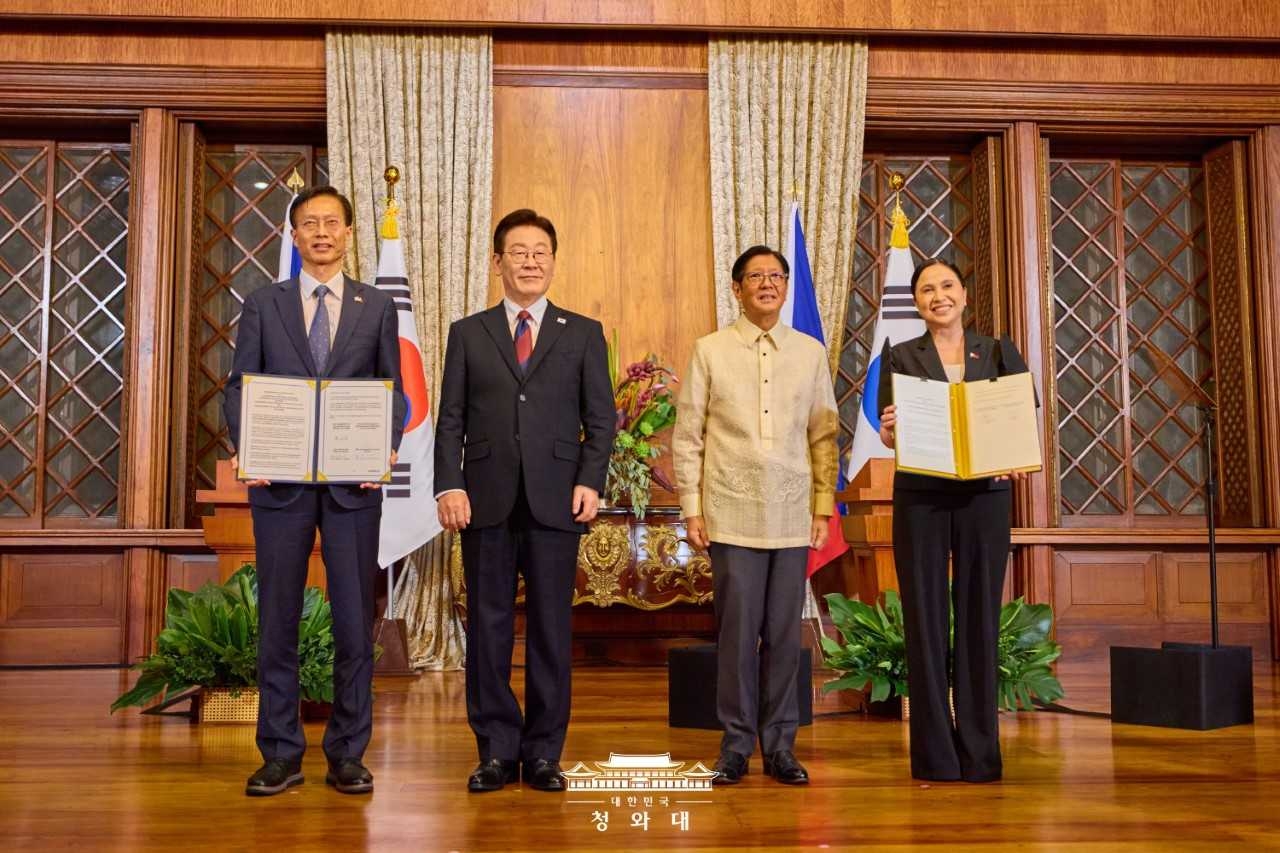
In a separate move, Korea signed a broader IP cooperation deal with the Philippines, aimed at strengthening enforcement and expanding collaboration in AI-based administration.
The agreement with the Philippine Department of Trade and Industry builds on an earlier framework signed with the Intellectual Property Office of the Philippines, significantly widening its scope. It comes as the two countries mark 77 years of diplomatic ties.
Key areas of cooperation include joint crackdowns on counterfeit goods, exchange of IP-related data and the adoption of AI technologies to improve administrative services.
The enforcement component reflects growing concerns among Korean companies over intellectual property infringements in Southeast Asia, where expanding consumer markets have also brought increased exposure to counterfeit products and online piracy.
The IP ministry said it would also explore participation in the ASEAN Network for Intellectual Property Enforcement Experts, a regional task force focused on tackling counterfeits and digital infringement across online platforms.
Korea is also seeking closer coordination with Manila as the Philippines chairs ASEAN this year, positioning the partnership as a gateway to broader regional cooperation on IP standards and enforcement.
Industry observers say the twin agreements highlight Seoul’s evolving strategy to move beyond domestic IP protection and play a more active role in shaping cross-border frameworks — particularly as AI technologies blur traditional boundaries of ownership, valuation and regulation.
For Korean companies expanding into Southeast Asia, more aligned IP systems could translate into faster patent processing, stronger legal protection and lower compliance costs.
“Strengthening AI-based cooperation in intellectual property is especially meaningful as bilateral ties deepen into a strategic partnership,” Kim said, adding that Korea will continue to work with Singapore to promote IP transactions and financing in global markets.
On the Philippines, he said the agreement would serve as a “turning point” in expanding future-oriented cooperation, pledging stronger protection of intellectual property to support Korean firms’ overseas expansion.
As competition over technology leadership intensifies globally, Seoul’s push to build IP alliances in Southeast Asia suggests a broader ambition: not just to protect innovation at home, but to help shape the rules governing it abroad.
kwonhl@heraldcorp.com