
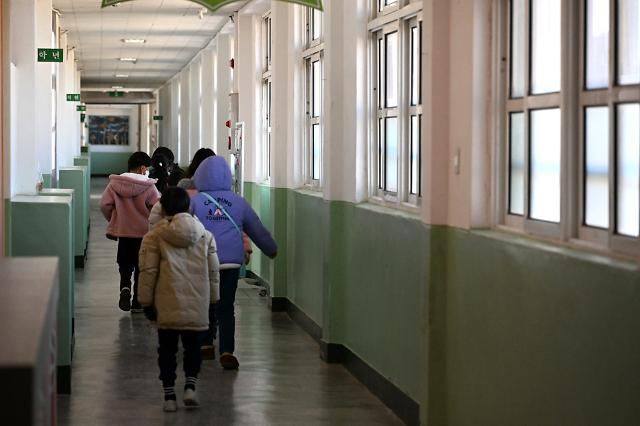
More than one in five youths providing unpaid care for family members said they had considered quitting school or their jobs due to caregiving burdens, a survey showed Tuesday.
Some 21.5 percent of respondents said they had considered quitting school or work because of caregiving responsibilities, according to the survey by the National Youth Policy Institute. Among those under 13, 9.8 percent said they considered such options, while the proportion rose sharply to 31.6 percent among respondents aged 19-24.
The study surveyed 557 respondents aged 9 to 24 who were providing unpaid care for family members.
The tendency to mull quitting school or work was especially high among those who identified themselves as primary caregivers at 38.5 percent, compared to 11.9 percent among those who did not. Primary caregivers provide the majority of day-to-day assistance to individuals unable to care for themselves due to illness, injury or disability.
Nearly half of those who said they had considered quitting cited fatigue as the main reason, while 33.9 percent said they could not leave family members alone. Some 30.6 percent pointed to stress and depression.
Caregiving responsibilities were found to disrupt education and work, with 30.2 percent reporting being late, absent or leaving early due to caregiving duties.
The study also found that youth caregivers reported lower levels of career confidence than their peers, and the gap widened with age.
A separate 2023 study by the Ministry of Gender Equality and Family showed that the share of non-caregiving youths who believed they could achieve their desired careers rose from 77 percent among those aged 13 to 18 to 81.9 percent among those aged 19 to 24.
In contrast, the NYPI survey found this figure declined from 71 percent to 64.3 percent among youth caregivers in the same age range.
The findings suggest that sustained caregiving burdens may erode young people’s ability to plan for the future, the NYPI said.
Who are youth caregivers?
The NYPI survey showed that caregiving responsibilities often begin early. Approximately half of the respondents said they began providing care in elementary school, before the age of 13.
Nearly a quarter of respondents under 13 identified themselves as the primary caregiver in their household. The proportion rose to 31.9 percent among those aged 13 to 18 and to nearly half among those aged 19 to 24.
The share of youth identifying as primary caregivers was highest among households earning under 3 million won ($2,000) per month, at 52.4 percent. This was more than double the 22.6 percent among those from households earning over 5 million won.
Chronic illness was the most common reason family members required care, cited by 35 percent of respondents, followed by physical disabilities (26.2 percent), language and cultural barriers (18.7 percent), and mental illness or disability (16.5 percent).
Policy implications
Respondents reported that caregiving burdens affected multiple aspects of their lives, including finances, education, mental health and social relationships.
Financial support for living costs and medical bills were identified as the most urgent needs, with 76.9 percent of respondents citing each, followed by demand for health care support (74 percent), career and employment assistance (73.1 percent), and housing support (72.6 percent).
In terms of caregiving services, respondents highlighted the need for practical support such as meal assistance (62.6 percent), caregiving support (58.9 percent) and help with household chores (58.9 percent).
"The findings are significant in shedding light on adolescent caregivers, a group that has been relatively overlooked in caregiving policies mainly focused on young adults," the institute said.
It called for the establishment of an integrated system to identify youth caregivers early and connect them with appropriate support services.
The institute also stressed the need for tailored support across life stages, including protecting access to education and peer relationships during adolescence and providing career and employment support in early adulthood.
seungku99@heraldcorp.com