
South Korea’s top universities slipped in the Nature Index, a global ranking that tracks research published in leading science journals, as Chinese institutions tightened their grip on the list.
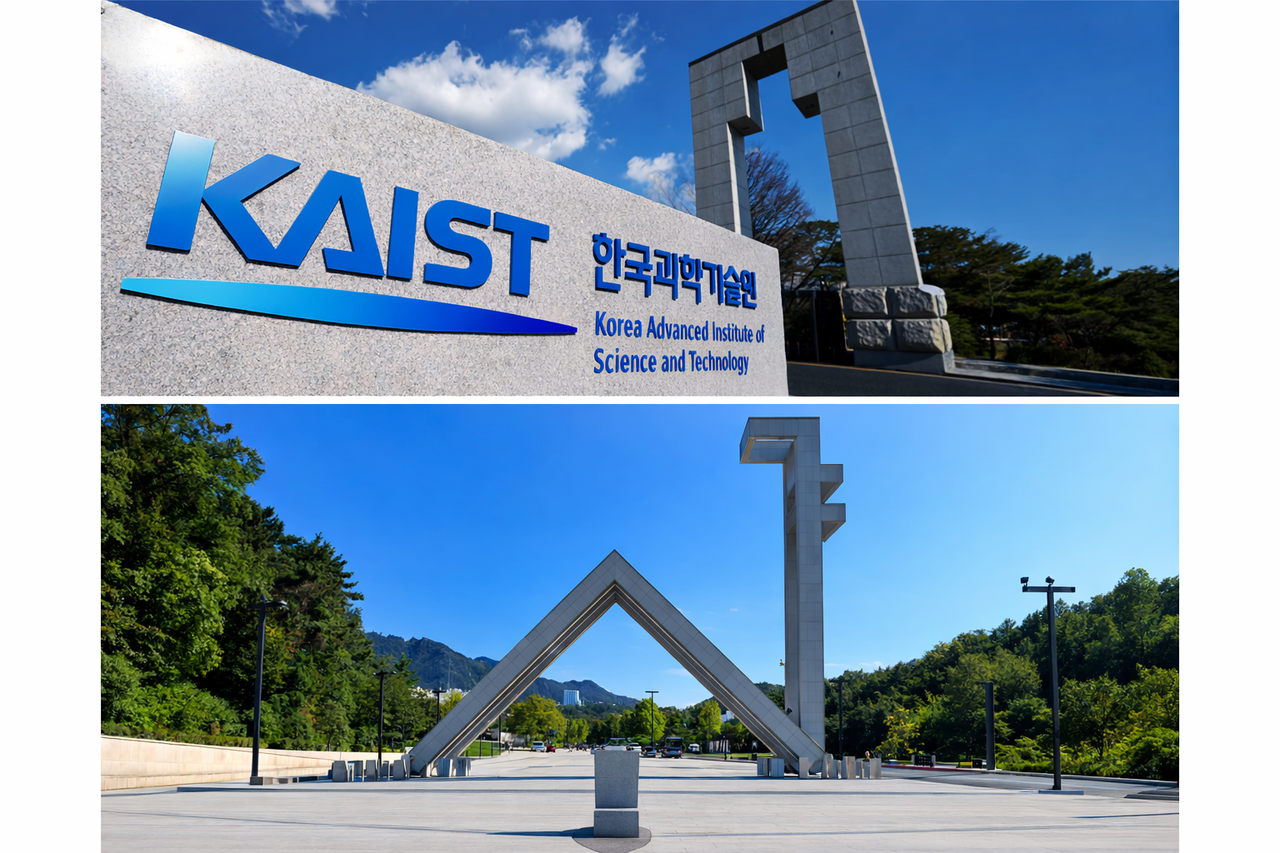
The latest index, compiled by academic publisher Springer Nature, placed Seoul National University 59th worldwide and Korea Advanced Institute of Science and Technology 84th among research institutions. In the previous tables released in June last year, the two schools ranked 52nd and 82nd, respectively.
Other Korean universities appearing in the global list included Yonsei University at 144th, Sungkyunkwan University at 159th, and Pohang University of Science and Technology at 166th.
The Nature Index measures research output by tracking articles published in 145 leading natural science and health science journals, including titles such as Nature and other highly selective publications. It ranks institutions and countries based on how often their researchers contribute to these journals and the share of authorship attributed to them.
The latest tables analyzed papers published between Dec. 1, 2024, and Nov. 30, 2025, offering a snapshot of global research activity across chemistry, physical sciences, life sciences, earth and environmental sciences, and health sciences.
Chinese institutions again dominated the rankings. The Chinese Academy of Sciences held the top global position, followed by Harvard University. Aside from Harvard, the rest of the top 10 institutions were all Chinese research organizations or universities.
Germany’s Max Planck Society, which had ranked ninth in the previous release, slipped to 11th.
By country, the hierarchy remained unchanged. China ranked first, followed by the United States, with Germany, the United Kingdom, Japan and France filling the next four spots. South Korea placed seventh worldwide.
Korea performed strongest in physical sciences, where it ranked fourth globally, and seventh in chemistry. In earth and environmental sciences and life sciences, the country placed 12th.
The results reflect the rapid expansion of Chinese research output over the past decade. China first overtook the United States in 2023 to become the largest contributor to papers in the Nature Index, a position it has maintained since.
Within the rankings, the Chinese Academy of Sciences led the world in chemistry, physical sciences, and earth and environmental sciences, while ranking second in life sciences. Its standing in health sciences, however, was much lower at 41st, indicating a more uneven performance across disciplines.
hnpark@heraldcorp.com


![[Exclusive] Ateez to return in November](https://wimg.heraldcorp.com/news/cms/2026/09/02/news-p.v1.20260902.76162fb0ba55493aad1c076f240d0750_R.jpg?type=h&h=120)