
The perennial leading man has three films lined up this year. The first one has him playing a spy -- again -- but this time, he'd rather come off as a guy pulling a day shift
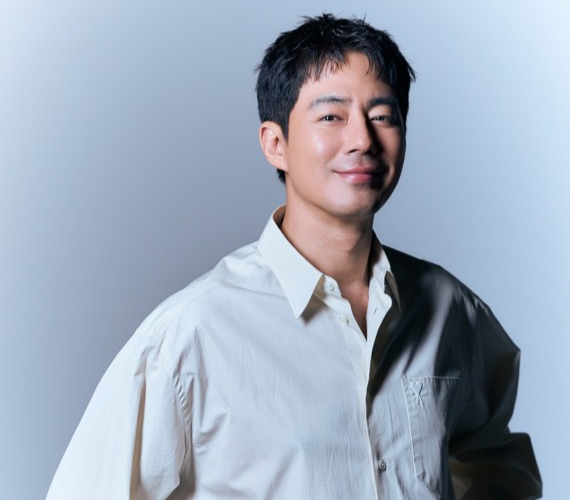
Three films in a single year.
For Zo In-sung, 2026 is shaping up as a rare kind of stretch, the sort of run that even the most bankable actors here seldom pull off.
First out of the gate is "Humint," box office stalwart Ryoo Seung-wan's $16 million spy thriller timed for the Lunar New Year holiday window, which opened Wednesday and promptly climbed to No. 1 on the charts.
What follows is no less stacked. "Hope," from Na Hong-jin -- the mind behind "The Wailing" -- carries the biggest budget ever sunk into a single Korean production ($35 million), with a global cast headlined by Michael Fassbender and Alicia Vikander.
Then there's "Possible Love," a Netflix project from auteur Lee Chang-dong, where Zo shares the screen with Sol Kyung-gu and Jeon Do-yeon.
When reporters brought all this up at a cafe in Samcheong-dong, central Seoul, on Wednesday, the 44-year-old waved it away. "That's the thing," he says. "Thinking I did all this on my own when I didn't."
That deflection tracks, oddly, with what he does in "Humint." The film opens on Zo's character, Officer Cho -- a black-ops agent for South Korea's National Intelligence Service -- waking up alone in a darkened bedroom, groggy, downing a glass of water, packing his gear.
It's the only sliver of ordinary life in the entire picture, which then barrels headlong into a dizzying barrage of conspiracies, bone-crunching combat and car chases across the frozen port city of Vladivostok.
That opening scene was entirely deliberate, the actor says. Playing a spy isn't exactly new territory for Zo; this is his third time as an intelligence officer, after "Escape from Mogadishu" and the Disney+ series "Moving."
During firearms training at the National Intelligence Service for the role, Zo asked jokingly whether agents like his superpowered character in "Moving" exist in real life. "They said it was classified," he says. "But at the end of the day, they were just regular working people."
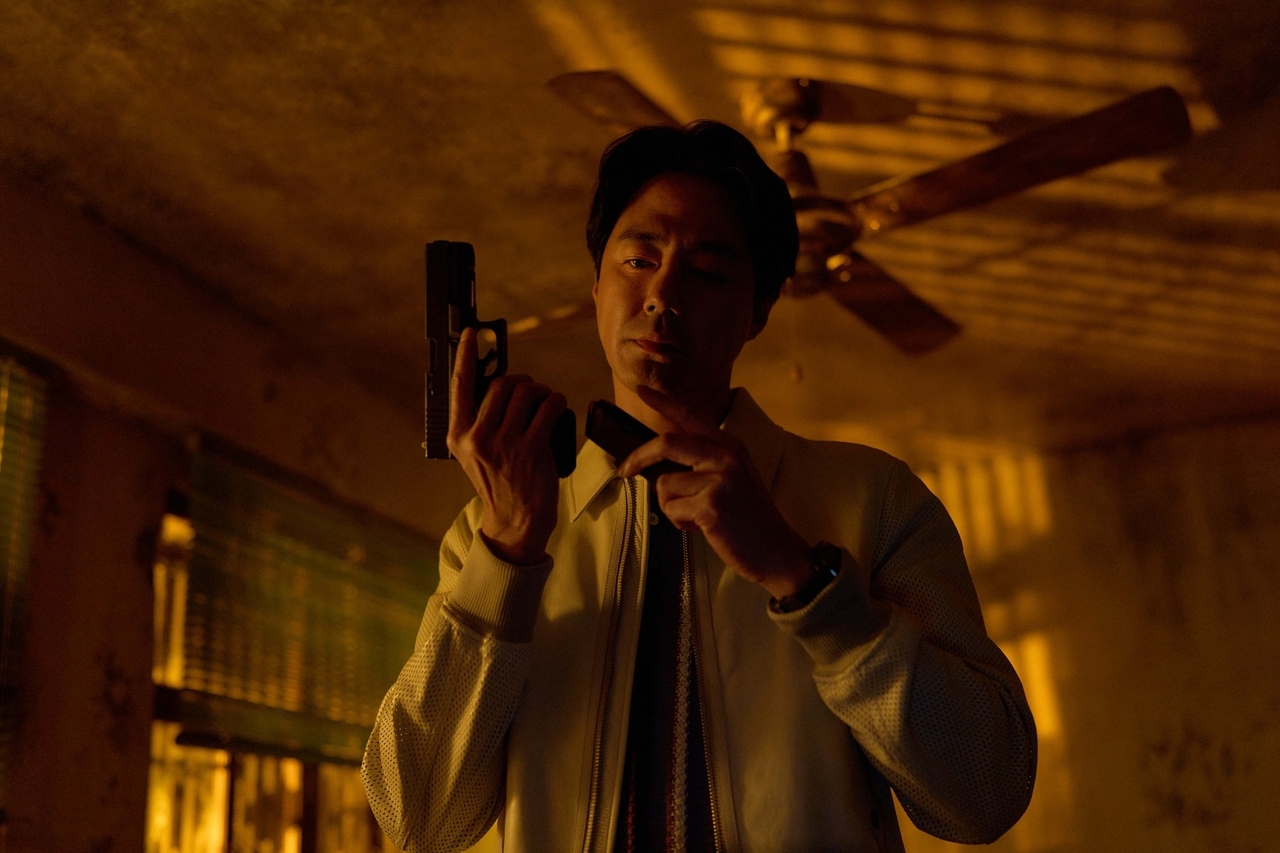
That plainness he kept coming back to. "Whatever your job is, you wake up stiff and tired in the morning, pack your stuff, and head out," he says. "Same goes for me. Some days, I drag myself to set, wondering what kind of day it's going to be. I tried to bring some of that to the role."
Director Ryoo's main instruction was to play Officer Cho with a sense of "grace" -- warmth when talking to his informants, kindness that would cut against the character's knack for violence.
Zo latched onto an anecdote he'd picked up from a talk show featuring North Korean defectors. Many talked about how they found the cadence of South Korean speech disarmingly gentle during their initial debriefings at Hanawon, the government resettlement center for new arrivals from the North.
"Apparently, just the way we talk in Seoul sounds sweet and comforting to them," Zo says. "We don't think of it that way ourselves, but that's how it lands. So I tried to bring that in -- approaching informants not just as sources, but as people you're connecting with emotionally. That felt important for the character to have some dimension."
It's a far cry from the way spy roles typically get played in Korean cinema, all tortured brooding and clenched jaws. This time, Zo made a conscious choice to dial everything down. In a film stuffed with close-ups, where every twitch of an eyebrow is magnified, he says he aimed to do as little as possible.
"Close-ups are terrifying shots," he says. "Everything shows. I kept checking in with myself, am I forcing it? Am I tensing up? The goal was just to look at the person and be there. Not to perform anything. Just to be present."
"Hard is better than easy. Taking shortcuts in your performance is never a good look. The struggle has to build up, layer by layer. That's how it ends up carrying weight on screen."
"Humint" is now in theaters.
moonkihoon@heraldcorp.com