
The Yunbyul Ballet Company is setting out on its second national tour with its acclaimed contemporary ballet “Gat,” traveling to six cities across Korea from February through April, including a two-night run in Seoul.
The 70-minute production, inspired by traditional Korean headwear, will open at the Hwaseong Arts Center in Gyeonggi Province on Feb. 27 before moving to the Yeonjeong Korean Traditional Music Center in Daejeon on March 14, Busan’s Geumjeong Culture Center on March 21 and Seoul’s Mapo Arts Center on March 28-29. The tour will then continue to the Hanam Arts Center in Gyeonggi Province on April 4 and conclude at Jeonju’s Sori Arts Center on April 25.
Since its 2024 premiere, “Gat” has stirred notable buzz in Korea’s dance scene and sold out all performances during its previous run, a rare achievement for a fledgling contemporary company in a field long dominated by classically rooted institutions such as the Korean National Ballet and Universal Ballet.

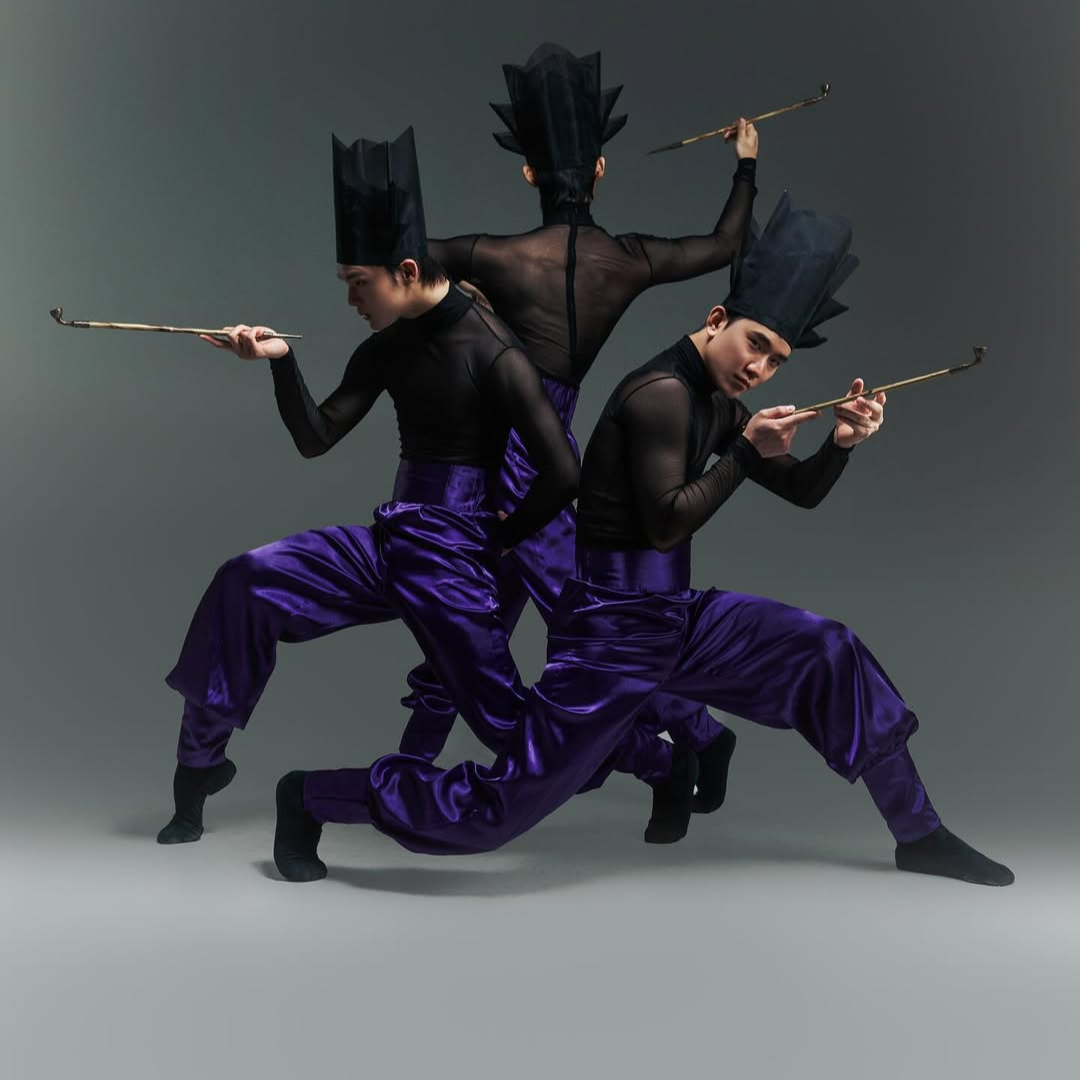
Choreographed by Park So-yun, the work unfolds across nine vignettes, drawing inspiration from different types of traditional Korean hats, or “gat,” which historically signified social class, profession or occasion during the Joseon era (1392-1910).
Today, gat most commonly evokes the iconic tall, black, wide-brimmed hat known as “heungnip,” traditionally worn by scholarly elites called “seonbi.” Yet the ballet expands beyond this familiar image to explore a wider spectrum of historical hats.
These include the red “jurip” worn by military officers; the humble straw “satgat” associated with wanderers; the everyday “paeraengi,” a commoner’s hat often worn by traveling merchants; the delicate “jokduri,” a traditional bridal coronet; and the “jeongjagwan,” a tall, pointed indoor hat linked to noblemen and schoolmasters.

Much of the renewed attention around “Gat” has also been fueled by popular culture. Several of the company’s male dancers gained significant fandom through Mnet’s hit dance competition “Stage Fighter” (2024), bringing a new wave of audiences to contemporary ballet.
More recently, viewers have drawn playful parallels between the five male dancers in “Gat” and the fictional boy band Saja Boys from Netflix’s mega-hit animated film “KPop Demon Hunters.”
Park and Yun Byul, the company’s founder and Park’s longtime dance partner, said the idea for “Gat” began to take shape in 2019 after watching Netflix’s historical zombie series “Kingdom” and then witnessing the wave of global fascination with traditional headwear.
In a previous interview with The Korea Herald, Park said her original idea was to have female dancers wear gat, a style historically reserved for men, as a way to challenge and reinterpret gendered tradition through movement.
At a press conference for the company’s winter gala last November, Yun shared that the company is actively preparing for overseas performances as well.

hwangdh@heraldcorp.com