
Disadvantages experienced in school likely carried into adult life, affect employment
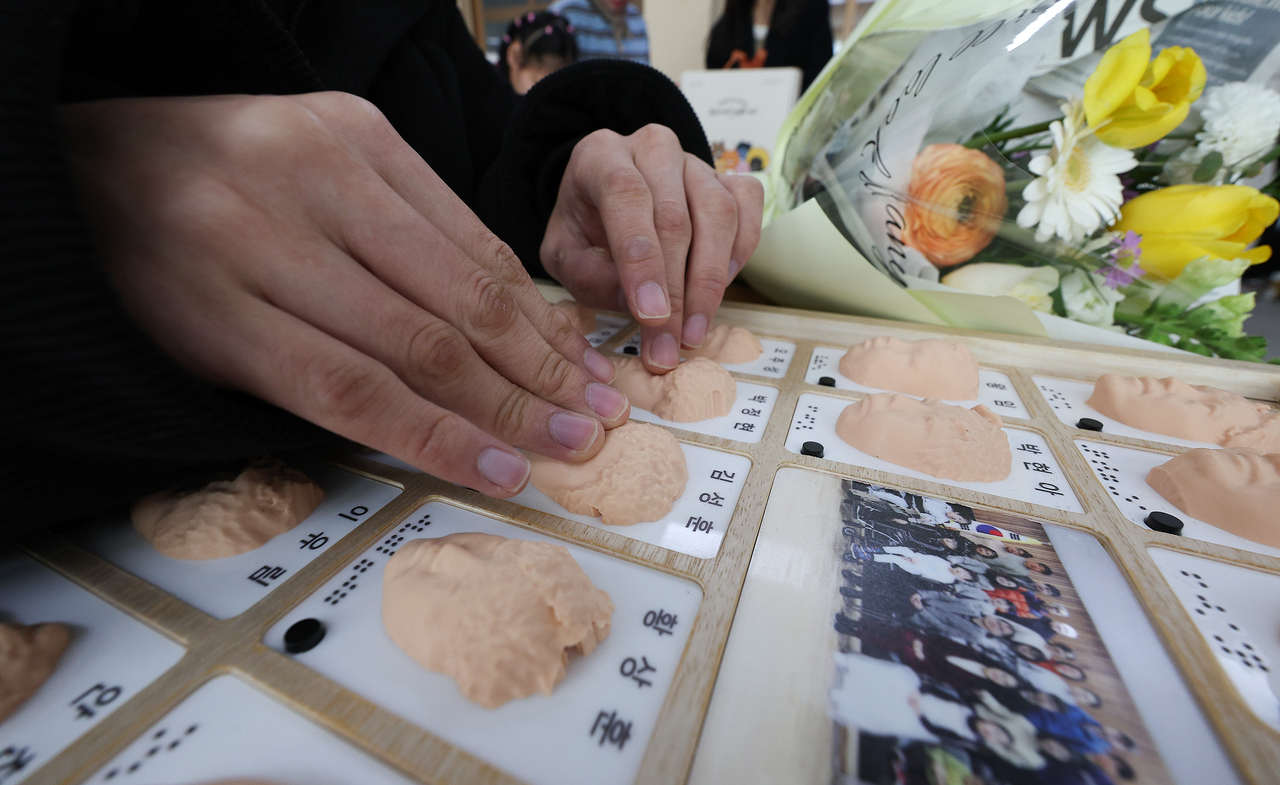
What South Korea calls its "special education" system is drawing renewed scrutiny after a government survey indicated that many students with disabilities continue to be placed in regular classrooms, suggesting that significant support gaps remain.
More than 19,000 students with disabilities were assigned to regular classrooms in 2025, even as demand for specialized instruction has grown, according to a survey released Wednesday by the Ministry of Education.
The proportion of students with disabilities enrolled in special education schools has steadily declined, falling from 27.8 percent in 2021 to 25.9 percent in 2025.
The data also revealed regional disparities in access. Of the country’s 196 special needs schools, 80 are concentrated in Greater Seoul, which includes Gyeonggi Province and Incheon.
Deaf and hard-of-hearing students were the least likely to receive specialized support, with nearly 60 percent enrolled in regular classrooms rather than special education settings.
These gaps in access to appropriate schooling appear to carry over into adulthood, shaping the economic prospects of students with disabilities even after they leave school.
In a separate survey released Wednesday by the National Institute of Special Education, only 30.8 percent of students with disabilities were found to be employed after graduation.
Among those who found jobs, about 44 percent of high school graduates from special needs schools earned between 500,000 won and 1 million won ($340 and $680) per month, far below the national average monthly wage of 1.67 million won for high school graduates.
Another 21.4 percent earned less than 500,000 won per month.
The institute noted that “the overall proportion of people with disabilities earning more than 1 million won has declined,” adding that “improvements in wages are needed to ensure that people with disabilities can sustain an independent economic life.”
The survey also showed that 51.4 percent of employed graduates with disabilities held regular positions, while 35.7 percent were temporary workers and 8.6 percent were daily workers.
In terms of occupations, cultural and arts-related jobs accounted for the largest share at 15.7 percent, followed by clerical assistance at 15.7 percent, food and beverage services at 14.3 percent, manufacturing at 11.4 percent, and cleaning and laundry services at 11.4 percent.
The report warned that many graduates remain in precarious employment, concluding that even when students with disabilities enter the labor market after graduation, their jobs often fail to lead to stable and sustainable career development.
Amid growing concern over these disparities, education authorities announced plans to improve the learning environment and support system for students with disabilities.
At a press briefing on Jan. 28, Seoul Education Superintendent Jung Geun-sik said the city plans to establish new special education schools in 2026.
“We are reviewing areas such as Geumcheon-gu, Yangcheon-gu, Yeongdeungpo-gu and Yongsan-gu to assess demand and identify suitable sites,” Jung said, noting that eight districts in Seoul lack a special education school. He also vowed to expand special needs classrooms in regular schools.
Jung outlined plans to expand the number of teachers specializing in special education, increase afterschool care programs for students with disabilities, and strengthen teacher expertise through additional training and workshops.
He said the city would expand opportunities for students with disabilities to obtain professional certifications, aiming to improve the quality of jobs available to them after graduation.
The Education Ministry told The Korea Herald on Wednesday that it also plans to work with local education offices to create two new special needs schools in 2026.
It added that it would create over 20 new schools nationwide by 2030.
"We are not neglecting the students, and they should not be neglected," an education ministry official said. "The government will actively respond (to education disparity)."
seungku99@heraldcorp.com