

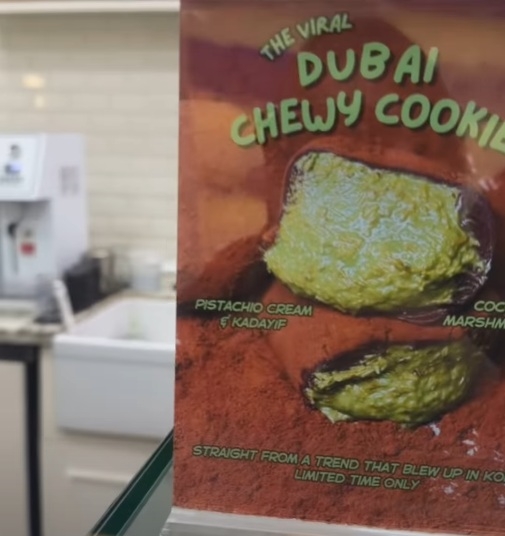
두바이에는 존재하지 않던 ‘두바이 쫀득 쿠키’, ‘두쫀쿠’가 두바이를 넘어 캐나다와 뉴욕까지 퍼지며 글로벌 트렌드로 떠오르고 있다.
두바이 현지 매체 타임아웃 두바이(Time Out Dubai)에 따르면, 최근 두바이의 한 카페는 ‘두바이 츄이 쿠키(Dubai Chewy Cookie)’라는 이름으로 두쫀쿠를 개당 29디르함 (약 1만1천 원)에 판매하기 시작했다.
캐나다 코퀴틀람의 한 카페에서는 자색 고구마를 활용한 변형 버전까지 등장했으며, 뉴욕 맨해튼에서도 두쫀쿠를 파는 매장이 생겨나고 있다.
그렇다면 두쫀쿠 특유의 식감은 외국인들에게 어떻게 전해지고 있을까.
두쫀쿠를 판매하는 뉴욕의 한 카페는 쫄깃하거나 말랑한 식감을 뜻하는 영어 형용사 'chewy'로 제품을 홍보하고 있으며, 다른 해외 매장들 역시 이 표현을 주로 사용하고 있다.
하지만 두쫀쿠의 식감은 단순히 chewy라는 표현만으로는 설명하기 어렵다. 한입 베어 무는 순간 쫀득한 마시멜로 겉피가 이를 간지럽히고, 이어 바삭한 카다이프가 섞인 촉촉한 피스타치오 크림 반죽이 혀를 적시며 입안 구석구석을 감싼다. 한마디로 '꾸덕꾸덕'하다.
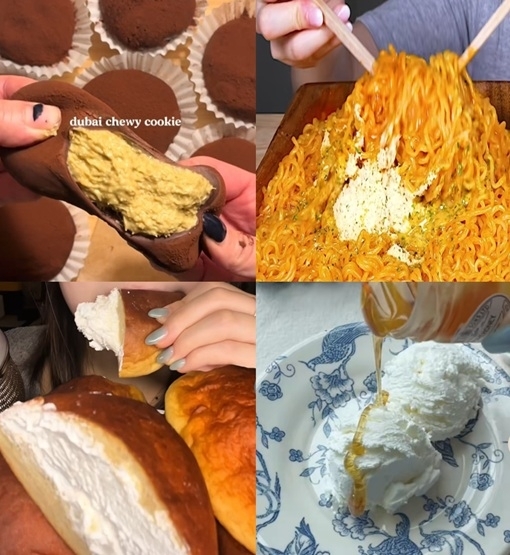
크림치즈를 가득 채운 베이글, 치즈를 잔뜩 더한 불닭볶음면, 그릭 요거트, 우유 크림빵, 약과와 개성주악까지. 쫄깃함과 부드러움 사이의 꾸덕꾸덕한 맛은 일시적인 유행을 넘어 지난 몇 년간 한국 외식업계를 관통해온 주요 트렌드다.
이제 꾸덕꾸덕이라는 표현은 SNS 먹방뿐 아니라 홈쇼핑과 TV 광고로까지 확산되며 하나의 마케팅 언어로 굳어졌다.
그렇다면 한 단어로는 담기 어려운 ‘꾸덕함’을 영어로 어떻게 표현할 수 있을까.
본지 원어민 에디터들과 외국인 독자들의 의견을 아래와 같이 모아봤다.
thick and creamy (되직하고 크리미한, 묵직한 질감의)
rich and dense (풍미가 진하고 밀도감 있는)
moist yet chewy (촉촉하지만 쫀득한)
smooth but full-bodied (부드럽지만 묵직한 존재감이 있는)
그렇다면 한국인들은 왜 꾸덕한 식감에 매료됐을까? 아래 기사 원문에서 확인해보자.
<기사 원문>
Fads may come and go, but Korea's love for chewy textures endures
Dubai chewy cookies are sweeping Korea, driving nationwide sellouts and price hikes.
Unlike your typical crumbly cookie, this viral dessert — a Korean twist on the Dubai chocolate bar — delivers a dense, chewy bite, with melted marshmallow wrapped around pistachio cream and kadaif.
Many already see the dessert as a fad, much like Chinese candied fruit tanghulu and yogurt ice cream before it.
But the texture behind the fixation, known in Korean as "kkudeok kkudeok," has taken hold as an enduring trend among Korean foodies in recent years, experts say.
“If you look at the foods that have gone viral, there’s a clear tendency among Koreans to favor chewy, sticky textures that really cling to the palate,” food columnist Kim Sae-bom told The Korea Herald.
“London Bagel Museum, which still draws long lines, has found major success with bagels that are moist and chewy, instead of the firm, dry texture associated with classic New York or Montreal style bagels. You see the same thing with popular items like salt bread and white loaf bread. They may look Western, but their texture is noticeably softer, moister and chewier, closer to glutinous rice cake."
The term “kkudeok kkudeok,” according to the National Institute of Korean Language, originally refers to a surface that has partially dried or hardened after being frozen. As moist yet chewy foods continue to dominate viral food trends, the word has taken on new meaning as a way to describe their distinctive texture.
From mukbangs to brand advertisements, the term now appears widely across food and beverage marketing.
Steady sellers include the cheese and carbonara versions of Samyang Foods’ globally popular Buldak noodle series.
As the cheese or carbonara seasoning mixes with the spicy sauce, the sauce thickens, causing the noodles to cling together and intensifying the rich mouthfeel.
As for desserts, the yogurt ice cream trend gained traction, fueled by local brands like Yoajung, but Greek yogurt had been popular long before this for its thickness and the contrast it creates when paired with crunchy toppings like granola, nuts and dried fruit.
More recently, Korean traditional desserts known for their intensely sweet and sticky textures, such as yakgwa (a honey-glazed cookie) and gaeseong juak (a donut-shaped fried rice cake coated with sweet syrup), have gone viral among younger generations, sparking renewed interest in classic sweets.
Song, a 26-year-old YouTuber in Seoul who focuses on dessert mukbang content, told The Korea Herald that thumbnails featuring the term “kkudeok kkudeok” tend to perform better in terms of views.
“Even when people eat alone, I think they seem to look for food that stimulates not just taste but also visual and auditory senses," she said.
“I get a lot of emails asking me to try certain foods, and it feels like people are really into foods with strong textures these days.”
Kim, the food columnist who has spent more than a decade covering food and travel as a freelance writer, attributed Koreans’ fondness for richly textured foods to the nature of Korean cuisine.
“Koreans grew up eating a lot of foods that are tough and fibrous, like chewy rice cakes, dried seafood and seasoned greens. Because of that, our jaw muscles naturally became stronger," she said.
"I think that’s why many people enjoy foods that give their mouth something to push against. It’s that bit of resistance that makes eating feel more satisfying."
Seeking emotional satisfaction through food texture is another factor.
“With inflation squeezing budgets, consumers are increasingly turning to texture as a way to feel their spending is worthwhile. A rich, dense texture heightens the sense of psychological satisfaction through the eating experience," Kim added.
cjh@heraldcorp.com