
Korean drugmaker targets early licensing deals to fuel next growth phase
SAN FRANCISCO — Samjin Pharmaceutical is doubling down on technology transfer and licensing deals as it looks to diversify revenue sources and reduce reliance on generics, seeking partnership opportunities at the 44th JPMorgan Healthcare Conference in San Francisco.
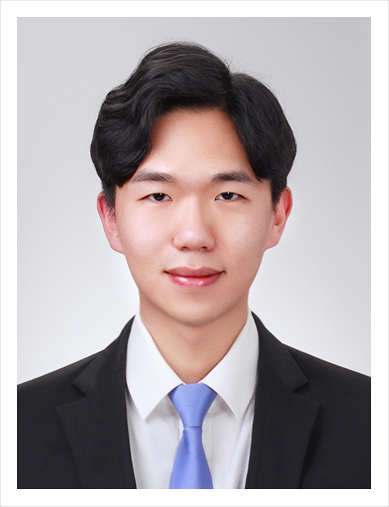
“There are ongoing discussions about cutting drug prices in Korea, and companies that rely heavily on generic drugs — like ours — are expected to be hit hardest,” said Lee Soo-min, head of Samjin Pharmaceutical’s research center, in an interview on the sidelines of the conference Monday.
“That’s precisely why we are overhauling our generic-centered business model. It has been about 3 1/2 years since we began a full-scale push into new drug development.”
The policy risk is mounting. Korea’s Ministry of Health and Welfare has said it plans to cut generic drug reimbursement prices from 53.55 percent of the original branded drug to 40 percent in the second half of this year. Traditional drugmakers warn the move could weigh on R&D investment and employment.
Samjin Pharmaceutical, which still derives an estimated 60 percent of its revenue from generics, posted 308.3 billion won ($209.7 million) in revenue in 2024.
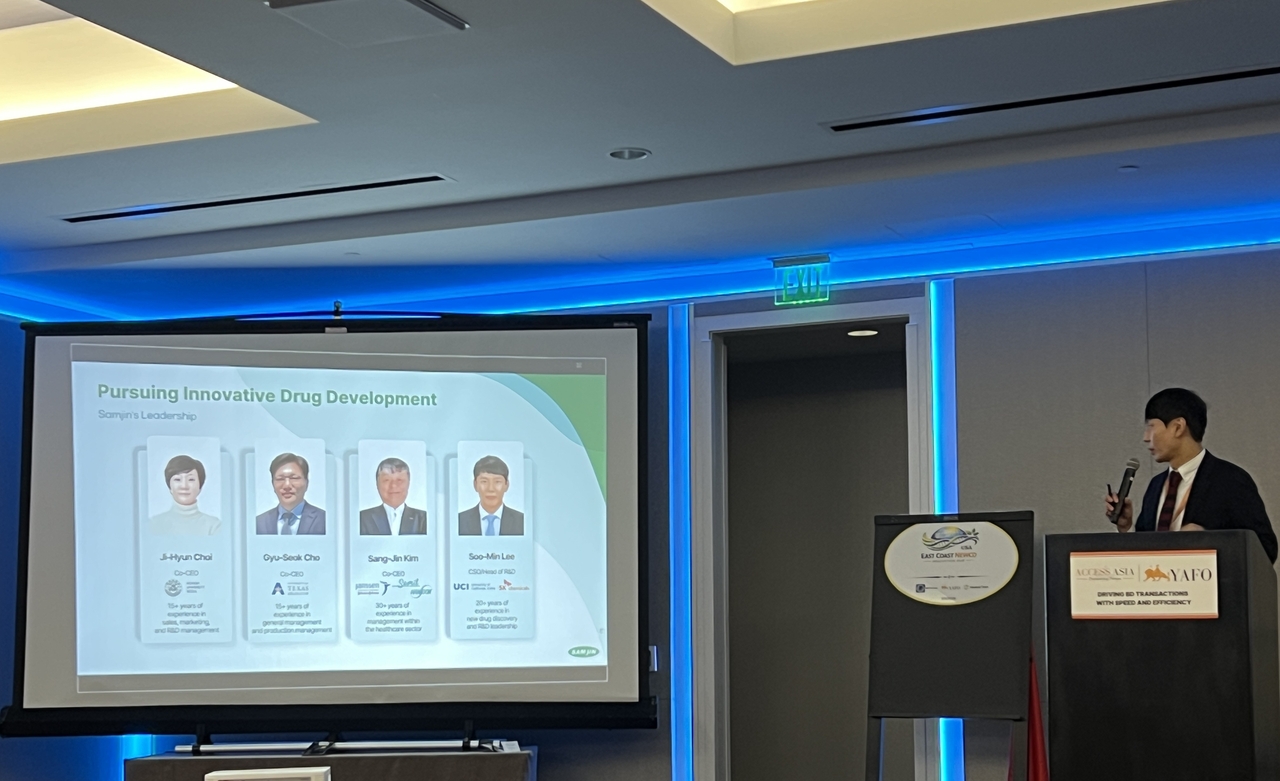
At JPMorgan, Samjin participated in the Access Asia BD Forum as an invited presenter after global investment advisory firm YAFO Capital selected the company to showcase its R&D strategy and pipeline to multinational pharmaceutical companies.
“We are actively developing antibody-drug conjugates (ADCs),” Lee said. “Our focus is on oncology and immunology, where global pharmaceutical companies are showing strong interest. In some cases, discussions have already reached the term-sheet stage, and we hope to secure a license-out deal as early as next year or the year after.”
Over the past four years, Samjin has launched 20 new research projects, according to Lee. Among its key assets are SJN314, an oral drug candidate for immune and inflammatory diseases, and two ADC platforms, Oncostarve and Oncoflame.
If successfully licensed out, SJN314 — an MRGPRX2 antagonist — could command a deal worth hundreds of millions of dollars, Lee said, citing a recent benchmark. Japan’s Kyorin Pharmaceutical signed a licensing agreement worth up to $777.5 million with Novartis last March for its MRGPRX2 antagonist KRP-M223.
“I believe our value is significantly underestimated in the stock market,” Lee said. “Our R&D capabilities are not reflected at all right now, but I expect that to change starting next year.”
hwkan@heraldcorp.com