
Buyout giant’s credibility put to test with prosecutors seeking arrest warrant for its key executives
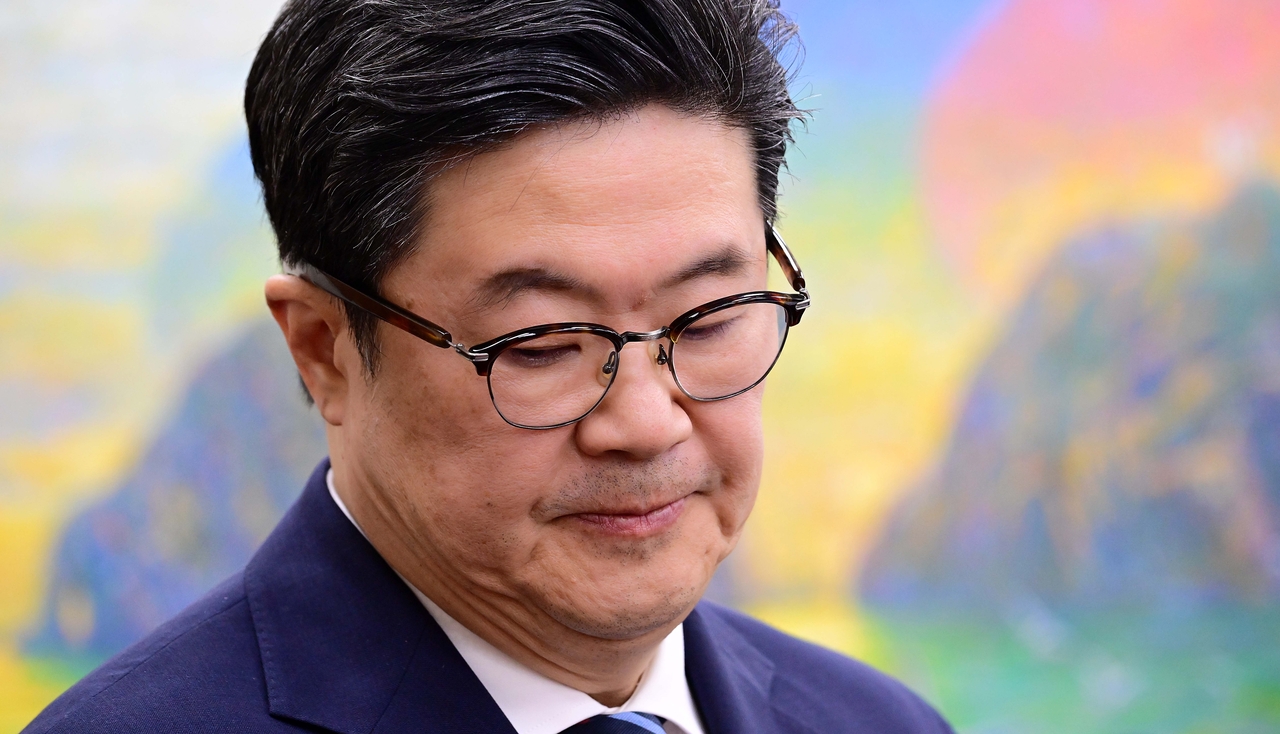
South Korea-based private equity giant MBK Partners is facing a critical test as its founder and chair — once hailed as a pioneer of Asia’s buyout scene — faces possible arrest over allegations tied to the collapse of local supermarket chain Homeplus.
The Seoul Central District Court is set to hold a hearing Tuesday to review a request for an arrest warrant for Michael Byung-ju Kim and key executives involved with Homeplus. The executives are facing claims that MBK pressed ahead with the issuance of 82 billion won ($57 million) in asset-backed short-term bonds at Homeplus, despite being aware that the retailer was to suffer a credit rating downgrade due to its deteriorating financial condition.
On Wednesday, the Supreme Prosecutors' Office filed a warrant request for Kim, along with Homeplus CEO and MBK Vice Chair Kim Kwang-il, MBK Vice President Kim Jeong-hwan and Homeplus Chief Financial Officer Lee Sung-jin.
MBK also faces possible sanctions from the country's top financial watchdog, the Financial Supervisory Service. In November, the regulator notified the firm that it plans to impose disciplinary measures over its handling of Homeplus, including a possible suspension of business operations.
Meanwhile, Homeplus, once one of Korea’s leading hypermarket chains, is undergoing court-led restructuring to avert bankruptcy, but has yet to make progress in finding a new owner.
Billionaire under legal scrutiny
Michael Byung-ju Kim had been celebrated as a pioneer of Asian private equity for a series of landmark buyouts with his namesake firm before the Homeplus fallout caught up with him.
After working at global financial firms including Goldman Sachs and Carlyle, Kim founded MBK, an independent buyout firm, in 2005. He built it into one of Northeast Asia’s largest private equity groups, which manages more than $32.7 billion in assets.
MBK acquired Homeplus in 2015 for 7.2 trillion won, beating out rival bidders including KKR and Carlyle in what was then the largest private equity deal in Korea.
The grocery retailer, however, struggled to stay afloat amid weakened profitability due to shifting consumer habits and a heavy debt burden, which some have blamed in part on MBK’s aggressive leveraged buyout.
After Homeplus entered court-led restructuring, Kim, a billionaire ranked by Forbes, pledged to contribute personal funds to compensate investors, though criticism over his responsibility has persisted.
Attending a National Assembly audit over the Homeplus collapse in October, Kim distanced himself from direct responsibility for the management of the portfolio company, saying his role as chair was limited to fundraising and investment oversight.
Kim, a US national residing in Korea, has been under investigation while being subject to a travel ban.
Credibility blow
Regardless of the outcome, the arrest warrant requests alone are expected to deal a significant blow to MBK, industry sources say.
An approval of the warrants would inflict lasting damage on the firm’s credibility, but even a denial would still leave MBK under prolonged legal scrutiny, weighing heavily on its operations, including efforts to secure limited partners.
MBK has denied all allegations, saying it “categorically rejects” the claims underlying the warrant request, which it said reflects “a fundamental misunderstanding of both the intent and actions” of MBK, Homeplus’ controlling shareholder.
The latest development is also expected to add pressure on the private equity firm’s ongoing battle for control of Korea Zinc, the world's largest zinc smelter. MBK has been seeking managerial control of the zinc refiner in alliance with Young Poong, but has struggled to gain an upper hand.
Korea Zinc Chair Choi Yun-beom has repeatedly labeled MBK a “predatory private equity firm” in an effort to fend off the takeover attempt, and the warrant requests are expected to strengthen his camp’s argument.
With Korea Zinc’s annual general meeting scheduled for March, the case could also influence the stance of swing shareholders, including the National Pension Service, the country's top pension fund.
For the NPS, which has stressed transparency and governance in its investments, backing a private equity firm facing arrest warrants over alleged fraud and Capital Markets Act violations could prove a significant burden.
“For public institutional investors, including pension funds such as the National Pension Service, maintaining public credibility is crucial, and merely being associated with a firm facing such allegations can itself be problematic,” an official from a private equity firm said.
silverstar@heraldcorp.com