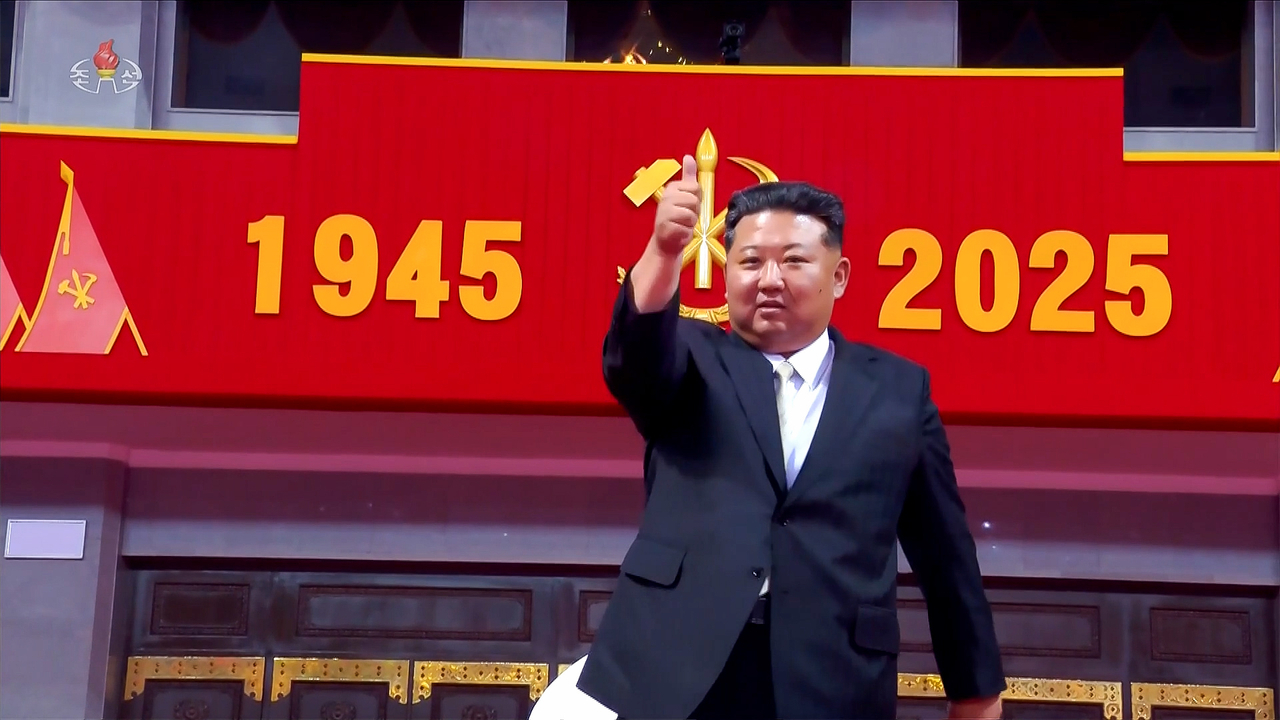
Marking the 14th anniversary of Kim Jong-un’s appointment as Supreme Commander, North Korea is intensifying its revolutionary and military rhetoric, hailing the period as the “peak era of fortifying revolutionary armed forces.”
Kim Jong-un was appointed Supreme Commander during a Workers’ Party Politburo meeting on December 30, 2011, roughly two weeks after the death of his father, Kim Jong-il.
The state-run newspaper Rodong Sinmun asserted that under Kim’s leadership, the Korean People’s Army has become an elite, loyal revolutionary force capable of defeating any invading power. The paper emphasized that the “Revolutionary Armed Forces of North Korea” are not only militarily capable but also politically and ideologically committed to defending the nation and executing revolutionary missions.
Recently, North Korea has escalated military activities, including testing of a long-range cruise missile that could potentially reach Japan. Kim personally oversaw the most recent launch and inspected a nuclear-powered submarine project — both highlighting the regime’s focus on nuclear readiness and advanced weapons development.
On Sunday, Kim visited a munitions factory, calling for increased production of multiple rocket launchers, describing them as “strategic attack” weapons. The visit signaled intentions to modernize the military ahead of a major party congress scheduled for next year.
Rodong Sinmun further claimed that, empowered by the “invincible might” of its armed forces, North Korea has become an “impregnable stronghold” and a “great nation” achieving global recognition. The publication also reported Kim’s directives to strengthen the military’s political, ideological and moral capacities, while advancing technologies —including nuclear weapons.
The military’s role extends beyond defense. It has contributed to major construction projects such as the Yangdok Hot Spring Resort, housing developments and industrial facilities. Despite ongoing international sanctions, North Korea opened the Yangdok resort in South Pyongan Province to promote tourism. Kim praised the resort as a symbol of steady national development and prosperity.
The regime continues to position the army as not only a battlefield force but also a protector of the people and a supporter of public welfare projects.
sanjaykumar@heraldcorp.com