
Looking back on the year, the Korean art and architecture scenes saw a series of landmark moments — from the opening of a new photography museum to the 30th anniversary of the Korean Pavilion at the Venice Biennale.
Here is a look back at the milestone events that shaped Korea’s art and architecture scenes over the year.
Photography museum revitalizes Northern Seoul
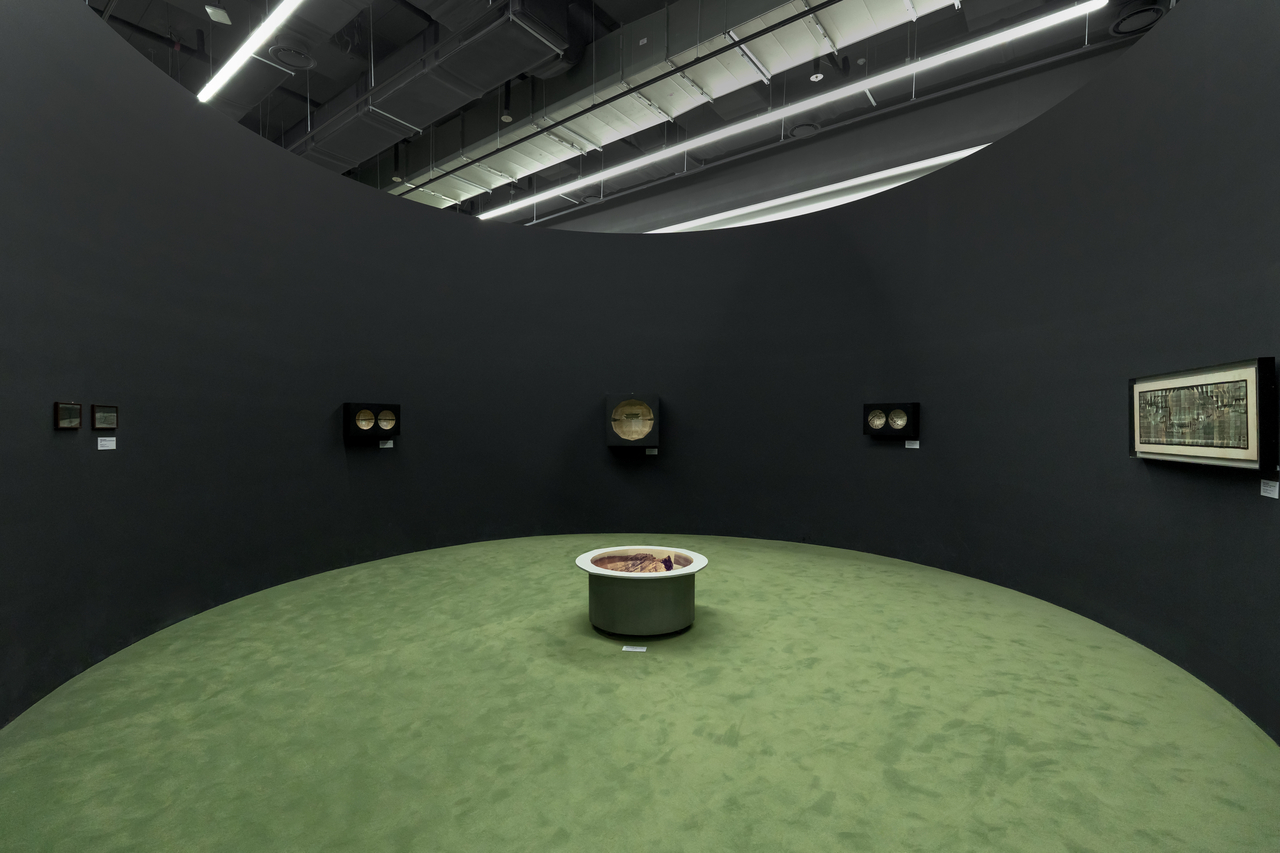
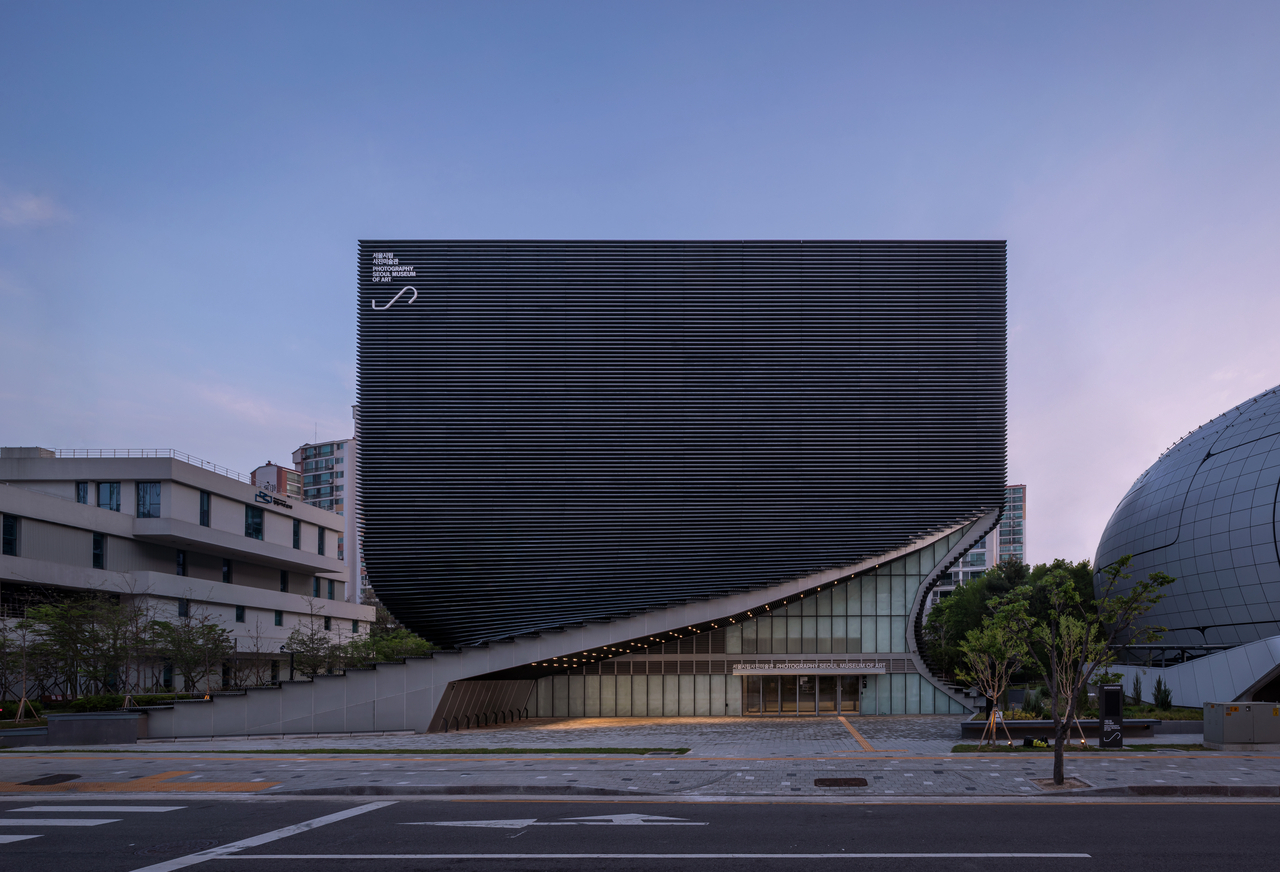
The Photography Seoul Museum of Art opened in May on the northern edge of Seoul in Dobong-gu, an area long considered to lack cultural infrastructure. The museum, operated under the Seoul Museum of Art, is the first public museum devoted to positioning photography as a more accessible and widely appreciated art form.
Together with the Buk-Seoul Museum of Art in Nowon-gu, a 10-minute drive from the photography museum, the two art institutes now create a cultural synergy in the northern Seoul neighborhoods. Spanning four floors above ground and two below, the museum holds more than 20,000 works of photographic art and archival materials, according to the museum.
The ongoing exhibition “All That Photography” spans the history of contemporary photography in Korea from the 1960s to the 2010s, featuring work from 36 Korean artists.
Korean Pavilion marks 30 years in Venice
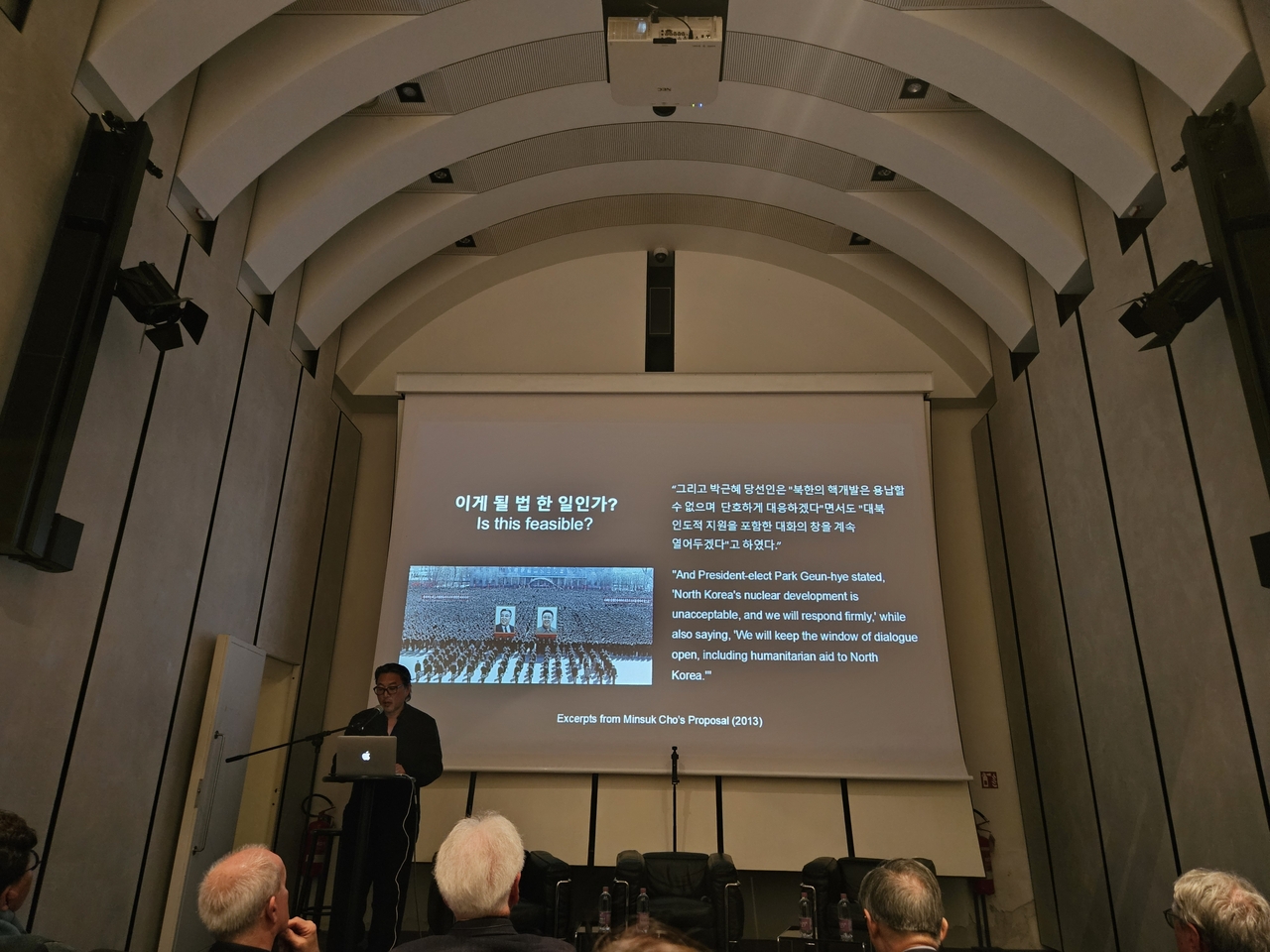
Korean architects, experts and curators convened in Venice, Italy, in May, marking the 30th anniversary of the Korean Pavilion, the last permanent national pavilion at Giardini at the Venice Biennale. The world's most prestigious international art and architecture biennale takes place every year, rotating between art and architecture.
To commemorate the anniversary, an unprecedented forum, “30 Years of the Korean Pavilion,” was held at the Fondazione Querini Stampalia in Venice to reflect on the legacy and meaning of the Venice Biennale pavilion built in 1995.
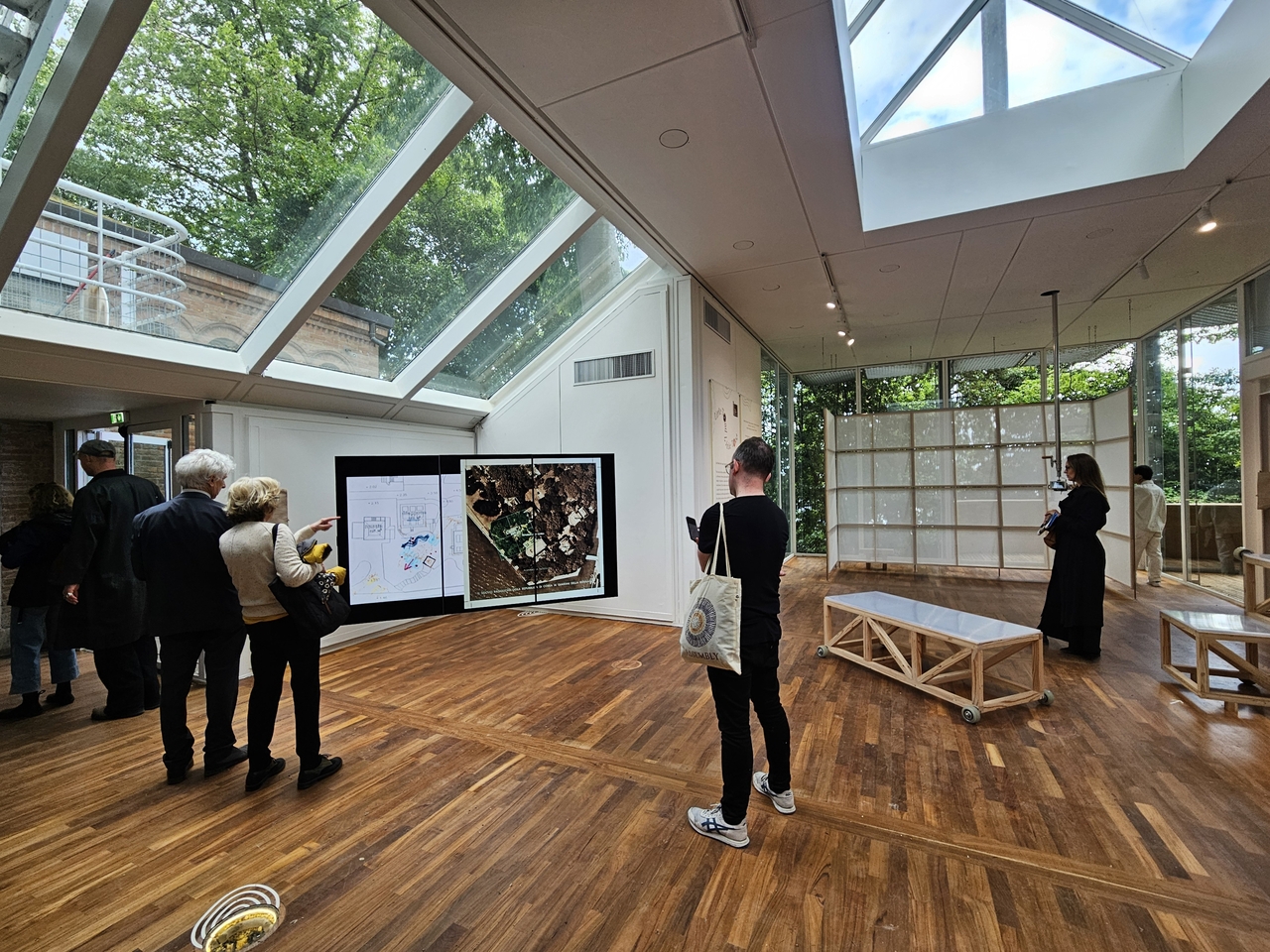
The presentation was given by Franco Mancuso, co-architect of the Korean Pavilion, who collaborated with the late Korean architect Kim Seok-chul; Kimm Jong Soung, commissioner of the Korean Pavilion 2002; Cho Min-suk, commissioner of the Korean Pavilion 2014 and others.
Meanwhile, the Korean Pavilion presented the exhibition “Little Toad, Little Toad, Unbuilding Pavilion” at the Venice Biennale 2025, curated by Curating Architecture Collective, a collective curator group consisting of Chung Dah-young, Kim Hee-jung and Jung Sung-kyu.
Architecture for humans at Seoul Biennale of Architecture and Urbanism
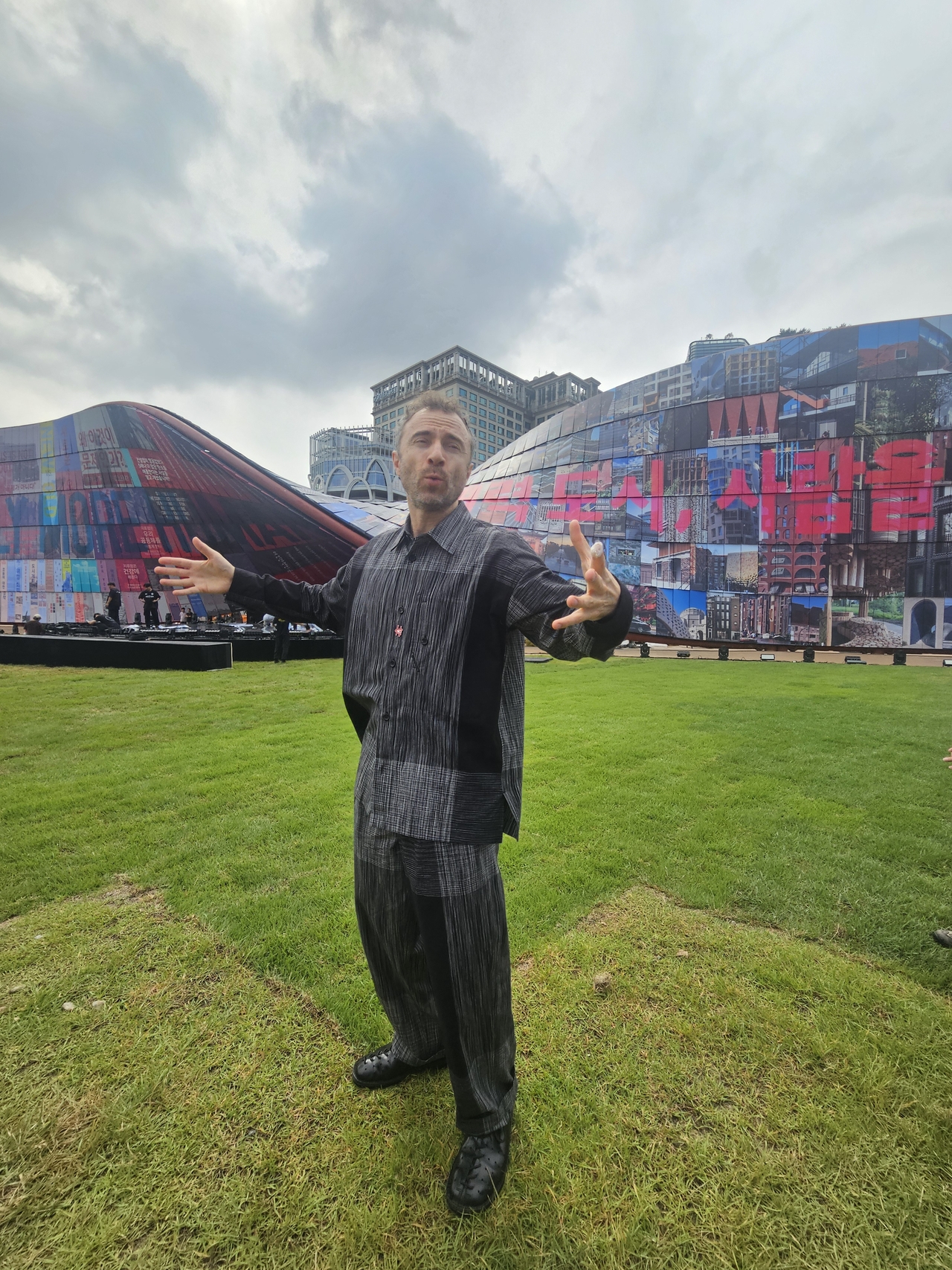
Seoul Biennale of Architecture and Urbanism returned for its fifth edition, curated by British architect Thomas Heatherwick on Sept. 25, gathering global voices to rethink how we can build better, more human-centered cities.
The Architecture and Urbanism Biennale, run by the Seoul Metropolitan Government, is considered one of the largest public architecture events in Asia.
Taking on the theme “Radically More Human,” the biennale featured the large-scale installation “Humanise Wall” at the Songhyeon Green Plaza in Seoul — created by nine creative communities comprising artists, academics, activists and architects — exploring a range of urban issues.
“It is a manifesto for the change that needs to happen in cities, which is (asking), 'How do we make the buildings around us radically more human and more engaging for us?” Heatherwick said about the installation. The biennale ran through Nov. 18 across Songhyeon Green Plaza and Seoul Hall of Urbanism and Architecture in Seoul.
Signs of rebound in art market
After nearly two years in a downturn, the Korean art market saw some welcome developments toward the end of the year.
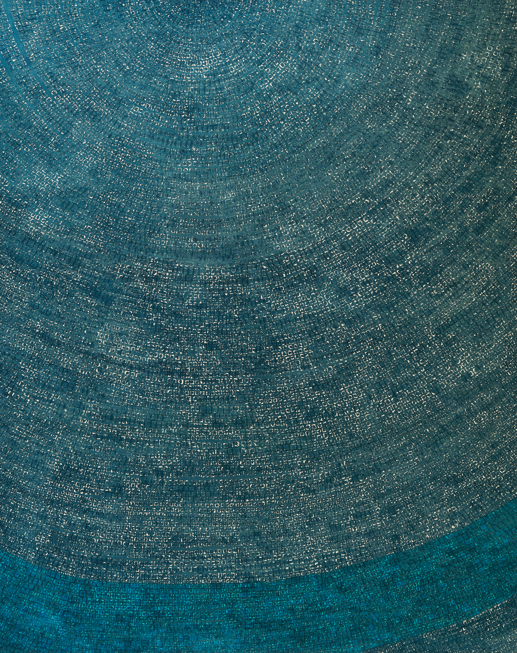
Korean abstract art master Kim Whan-ki (1913-1974)’s painting set another record at Christie’s evening sale in New York on Nov. 17. Titled “19-VI-71 #206,” the Korean master's painting fetched $8.4 million at Christie’s New York 20th Century Evening Sale, falling short of the highest auction price fetched by a Korean artwork. Also by Kim, “05-IV-71 #200 (Universe)” sold for 88 million Hong Kong dollars ($11.3 million) in 2019 at a Christie’s auction held in Hong Kong.
Seoul Auction’s evening sale on Nov. 24 recorded the total sales of 23.3 billion won ($16.2 million), marking the first time since August 2021 that the auction house’s total hammer price for a single domestic sale exceeded 20 billion won. Marc Chagall’s “Bouquet de Fleurs” was sold for 9.4 billion won at the evening sale, setting a new record for the highest price ever achieved at a Korean art auction.
Frieze and Kiaf extend Seoul partnership
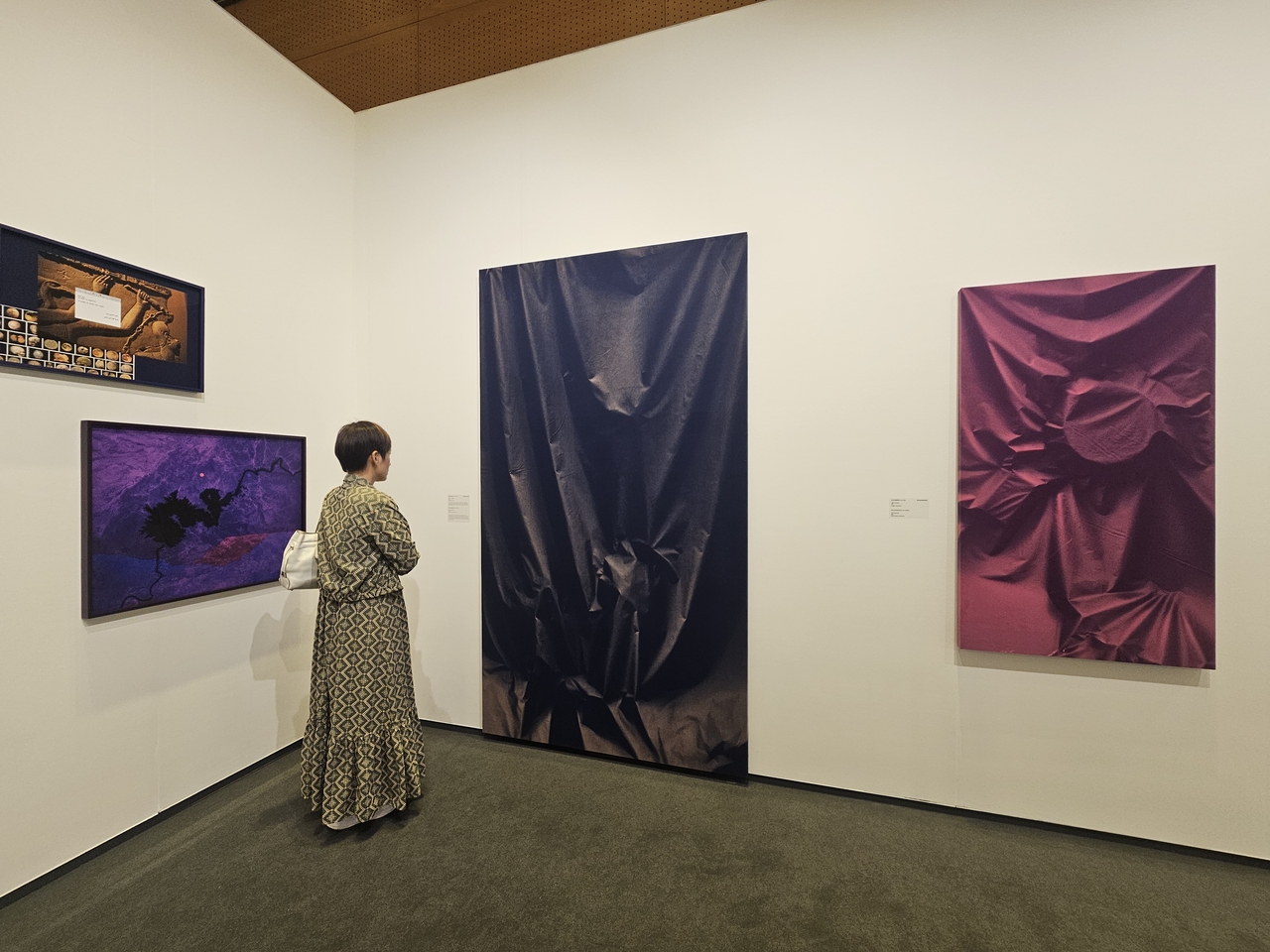
Frieze Seoul and Kiaf Seoul have extended their collaboration for another five years in Seoul.
On Dec. 18, the Galleries Association of Korea, the operator of Kiaf Seoul, voted to renew its partnership with Frieze Seoul, the global art fair, at a general meeting with 110 of its 185 member galleries. The decision was unanimously approved with one abstention.
“We will focus on strengthening Kiaf Seoul’s global competitiveness while supporting Korean galleries and artists in expanding overseas,” said the association's President Lee Sanag-hoon after the decision.
After the current five-year contract concludes in 2026, the renewed partnership will be active from 2027 to 2031.
“This renewal reflects a shared commitment to continuity and to strengthening international exchange. We value our collaboration with the Galleries Association of Korea and Kiaf Seoul, and we look forward to continuing to develop this partnership in ways that support galleries and artists on the global stage,” said Simon Fox, CEO of Frieze.
yunapark@heraldcorp.com