

Amid growing audience expectations, Seoul’s flagship performing arts venue plans new works, broader audience engagement and expanded visitor programs in its 2026 lineup
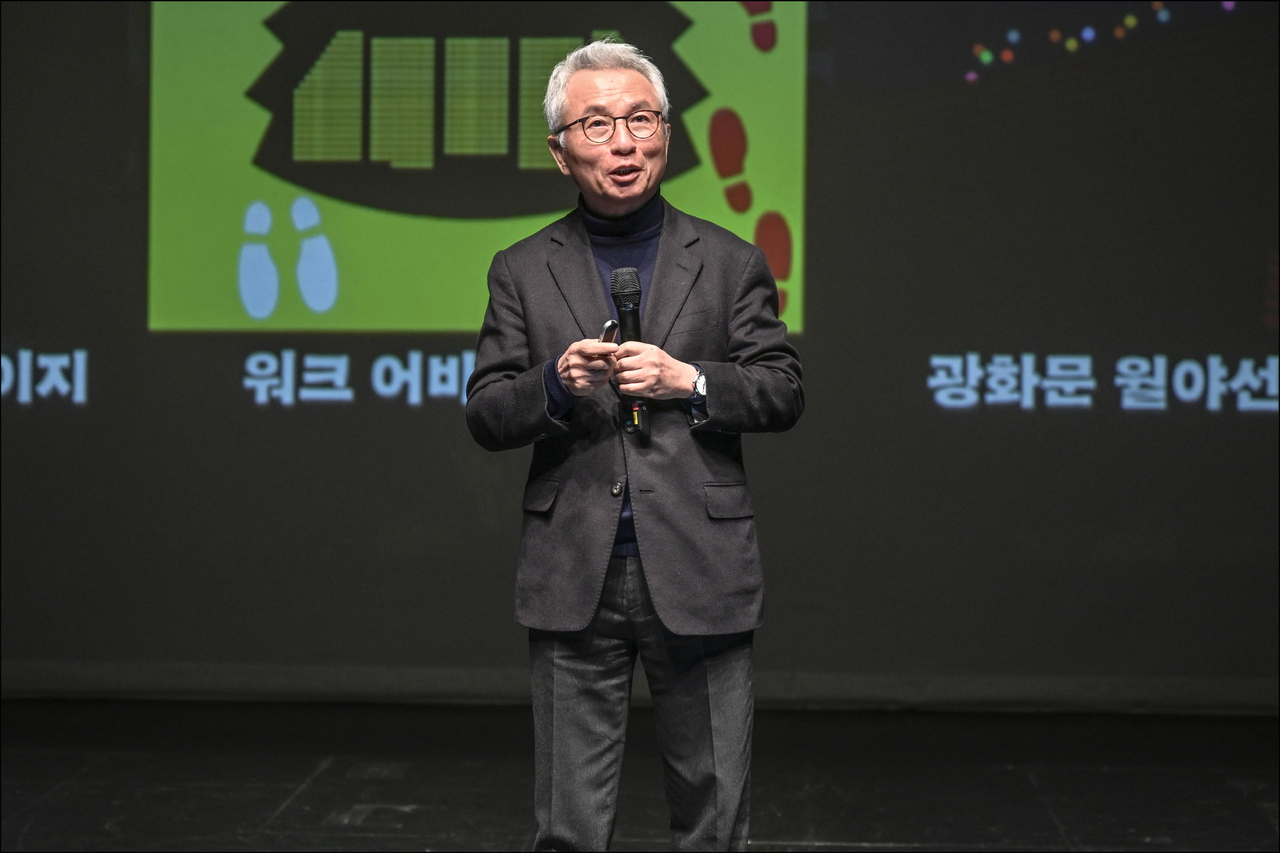
The Sejong Center for the Performing Arts, Seoul’s leading cultural complex and home to seven resident performing arts companies, will step up efforts to meet the expectations of increasingly discerning audiences while expanding access for both citizens and foreign visitors.
“Seoul’s citizens have high standards and a strong appetite for culture and the arts. Korean audiences are discerning, passionate and deeply engaged — and it is precisely this environment that allows original creators capable of producing new content to emerge,” Ahn Ho-sang, CEO of the Sejong Center, said during a press conference on Monday.
Reflecting both audience demand and Seoul’s growing role in the global arts landscape, Ahn outlined the center’s 2026 programming direction. “I believe we need to create content that can compete with AI and platforms like Netflix — content that can survive in that environment,” he said. “At the heart of that effort are Korean artists.”
This year’s program marks the fifth year since the Sejong Center formally positioned itself as a production theater, reinforcing its role as a creator — not just a presenter — of original performing arts content.
In line with this vision, the center’s resident arts companies will present 27 new and established works in 2026, accounting for 85 percent of total performances. Of these, 10 are newly produced works, while 17 are returning productions that previously received strong audience response.
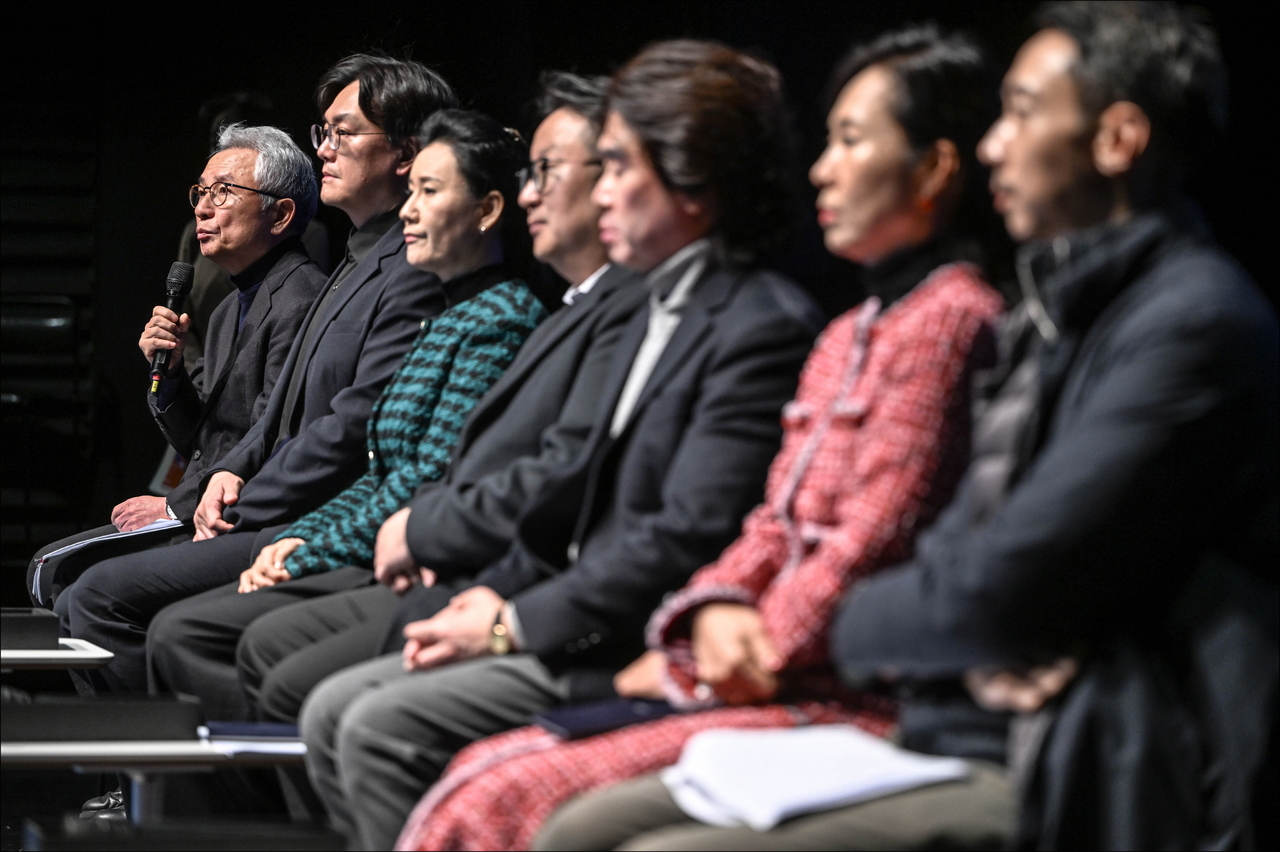
The Sejong Center is home to the Seoul Metropolitan Traditional Music Orchestra, Seoul Metropolitan Dance Theatre, Seoul Metropolitan Chorus, Seoul Metropolitan Musical Theatre, Seoul Metropolitan Theatre, Seoul Metropolitan Opera and the Seoul Metropolitan Ballet.
The Seoul Metropolitan Ballet, which launched just last year as Korea's third public ballet company, will present new productions as part of its expanding repertoire that focuses on contemporary ballet — an approach aimed at filling a gap in Korea’s dance landscape, where classical ballet and modern dance are already flourishing.
Despite the fact that an estimated 20 million foreign visitors are expected to visit Korea this year — many of whom pass through the Gwanghwamun area where the center is located — relatively few have opportunities to engage with the venue.
To address this, the Sejong Center plans to introduce guided tours of the complex for foreign visitors, tentatively scheduled to begin in March and operate twice a week. Opened in 1978, the venue offers not only performance spaces but also a window into the history of Korea’s performing arts, Ahn noted.
The center will also improve access to sold-out performances by reserving a limited number of tickets for same-day, on-site sales at noon. For high-demand exhibitions, Friday night openings will be introduced.
Access will be expanded not only in terms of programming but also physical space. For the first time, the center’s rooftop will be opened to the public in the second half of the year, part of a broader initiative to transform the venue into a cultural space where citizens can engage in activities beyond watching performances.
gypark@heraldcorp.com