
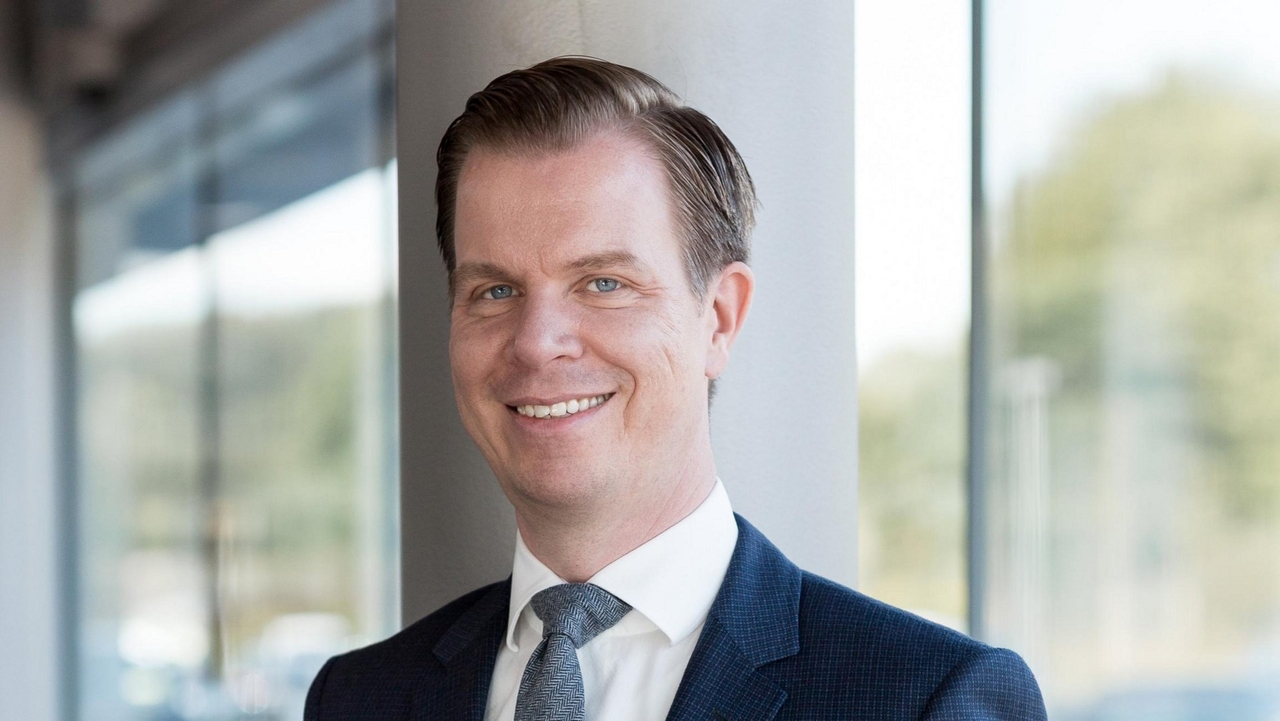
Porsche Korea is on track to surpass 10,000 vehicle deliveries this year, regaining its growth momentum under CEO Mathias Busse, whose focus on a "value over volume" philosophy is boosting the brand’s performance and electrification efforts in the Korean market.
The German carmaker’s Korean unit said Friday it sold 9,739 units as of November, up from 8,284 units for all of 2024. Electrified vehicles accounted for 60 percent of sales here, with plug-in hybrid models at 28 percent and battery electric vehicles at 32 percent.
The positive turn in performance reflects Busse’s “value over volume” strategy, which prioritizes structural improvements like enhancing its product competitiveness, expanding the electrification base and upgrading the retail and service network, rather than short-term sales expansion.
Industry observers view 2025 as a rebound year for the brand, marked by a revamp toward a more sustainable growth framework after years of supply and demand turbulence.
In the first half of this year, the company launched the Panamera GTS, Taycan Turbo GT with Weissach package, Macan Electric and Taycan GTS. The second half saw the launch of the Taycan Black Edition, the new 911 GT3, 911 GT3 with Touring package and the 911 Spirit 70.
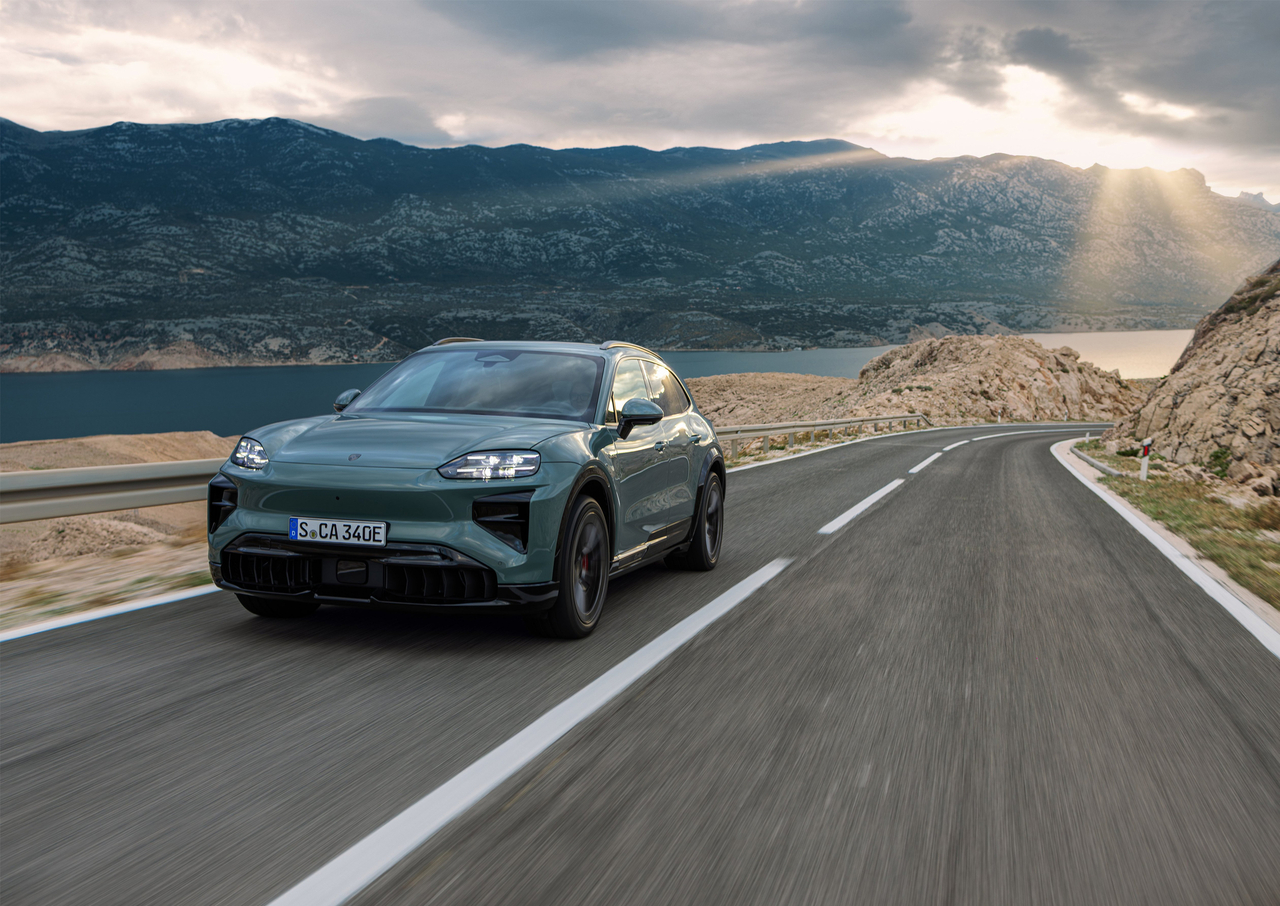
A major step in the brand’s EV shift came in November, with the world premiere of the Cayenne Electric. The model is slated to reach the Korean market in the second half of 2026.
The upcoming model, expected to anchor Porsche’s next-phase of electrification strategy, uses a 113-kilowatt-hour battery from LG Energy Solution and an 800-volt system enabling 16-minute fast charging to 80 percent.
The vehicle’s driving range is rated at 642 kilometers under Worldwide Harmonized Light Vehicle Test Procedure standards. The car furthermore adds wireless charging capability, a new display architecture and upgraded digital controls.
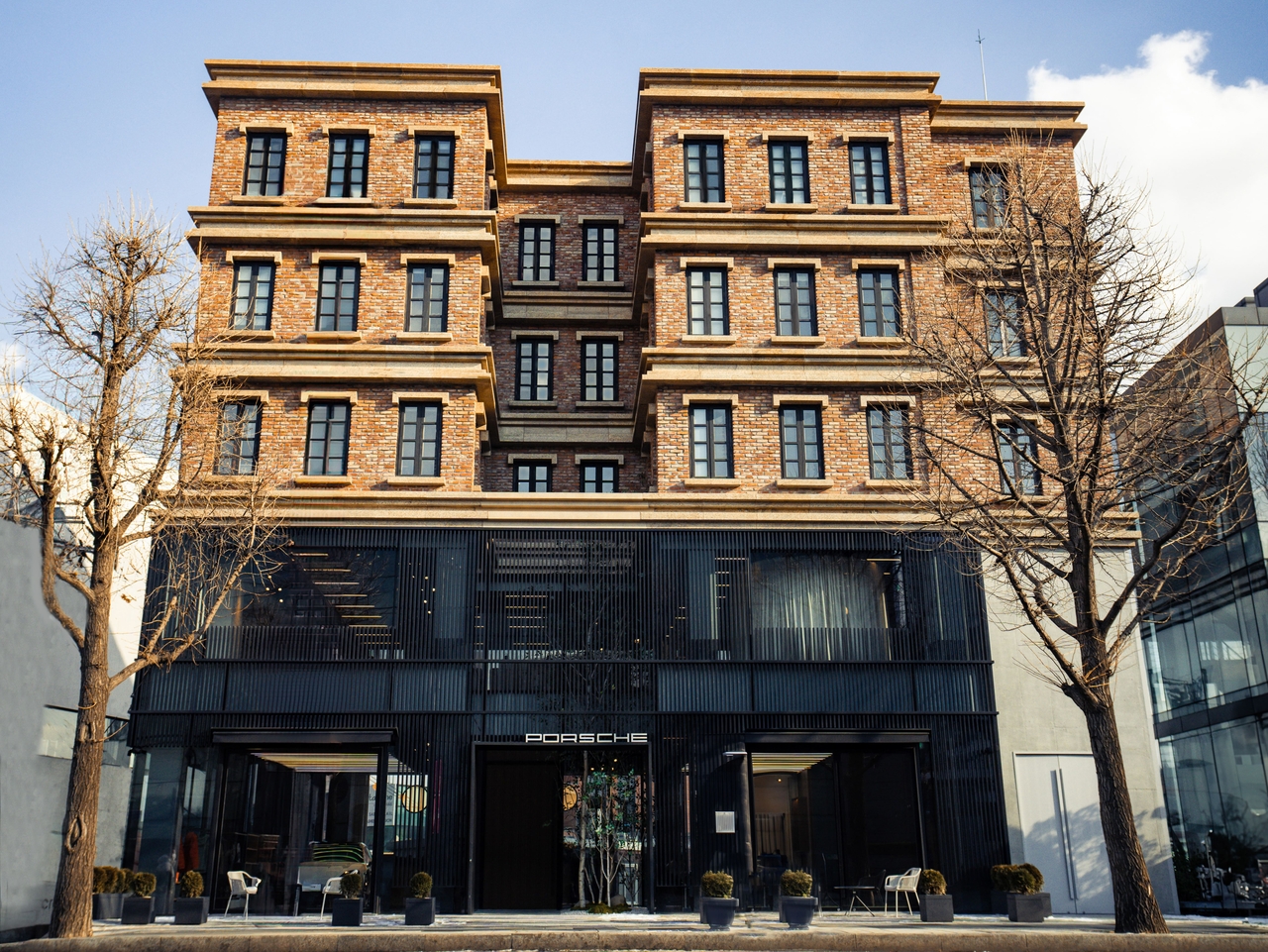
Porsche Korea is also expanding its after-sales and retail footprint. The company opened the country’s largest Porsche service center in Seongsu-dong, eastern Seoul, earlier this year with 40 work bays and 31 chargers. It later added a Porsche Studio in Hannam-dong, central Seoul, built around a next-generation retail concept featuring floor-by-floor themes and a boutique-style design.
Porsche’s new center is scheduled to open next year in Jeju Island, with expansions at sites in Incheon, Yeongdeungpo and Ilsan. The company aims to double the number of service centers nationwide by 2030.
andreahaneu@heraldcorp.com


![[World Class] HUFS bets on Songdo, AI to redefine what a global university can do](https://wimg.heraldcorp.com/news/cms/2026/10/18/news-p.v1.20260930.7e4dbeacfc1d4d16848c0e2a441c04e6_R.jpg?type=h&h=120)
