
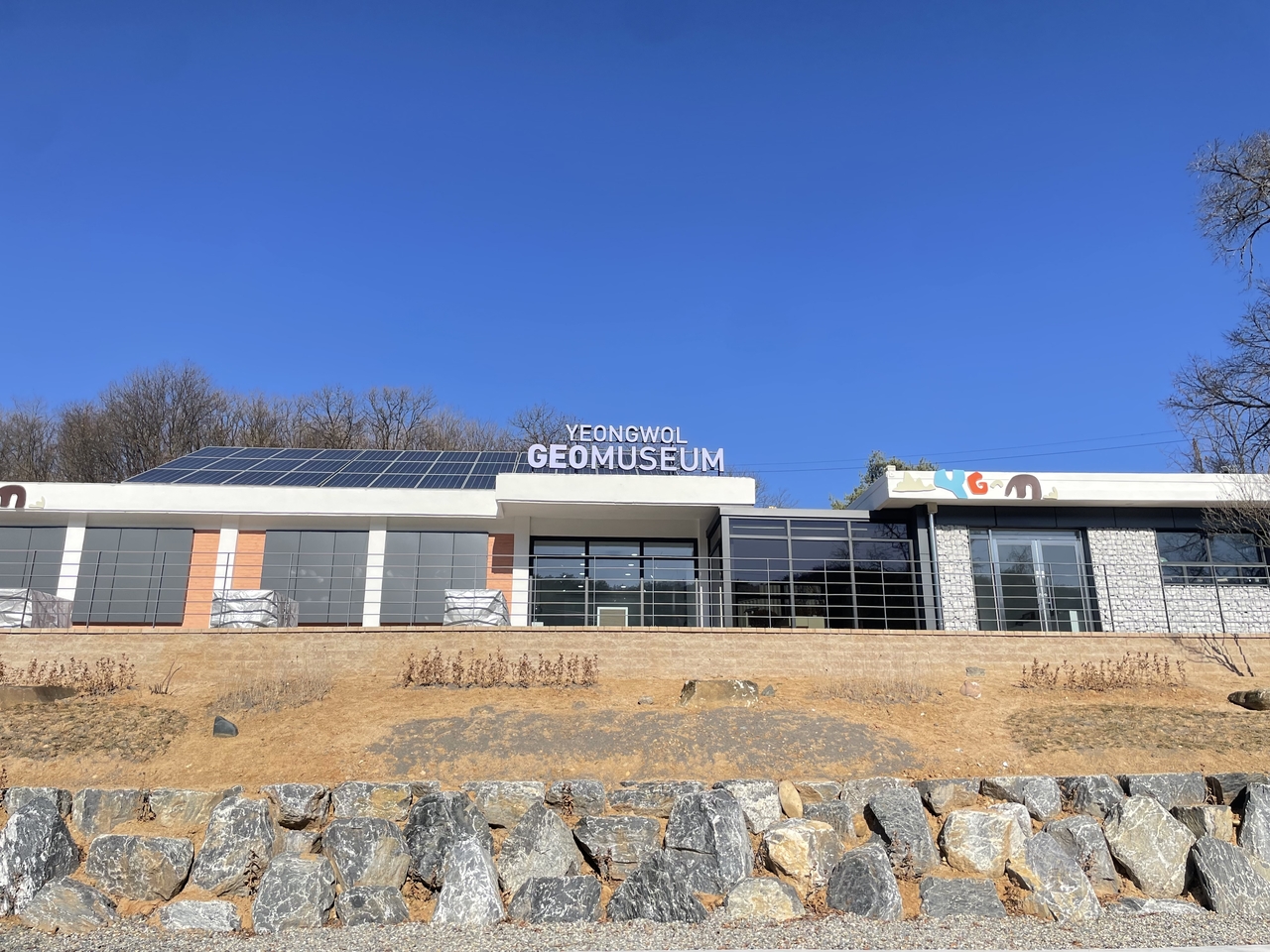
YEONGWOL, Gangwon Province -- In a quiet corner of Gangwon Province, a former coal town is rewriting its relationship with the ground beneath it. Yeongwol, long known for its mines, fossils and winding rivers, is now home to a new cultural site that seeks to explain how geology has shaped not only landscapes, but also the lives and histories of the people who lived upon them.
The Yeongwol Geo Museum, which opens on Dec. 19, is the passion project of director Min Gyeong-mun, who spent 10 years studying geology — and poured his retirement savings into the effort — to make the subject accessible to children and families. “Geology is full of difficult, Sino-Korean terms,” he said. “I wanted kids to understand the world beneath their feet without feeling intimidated.”
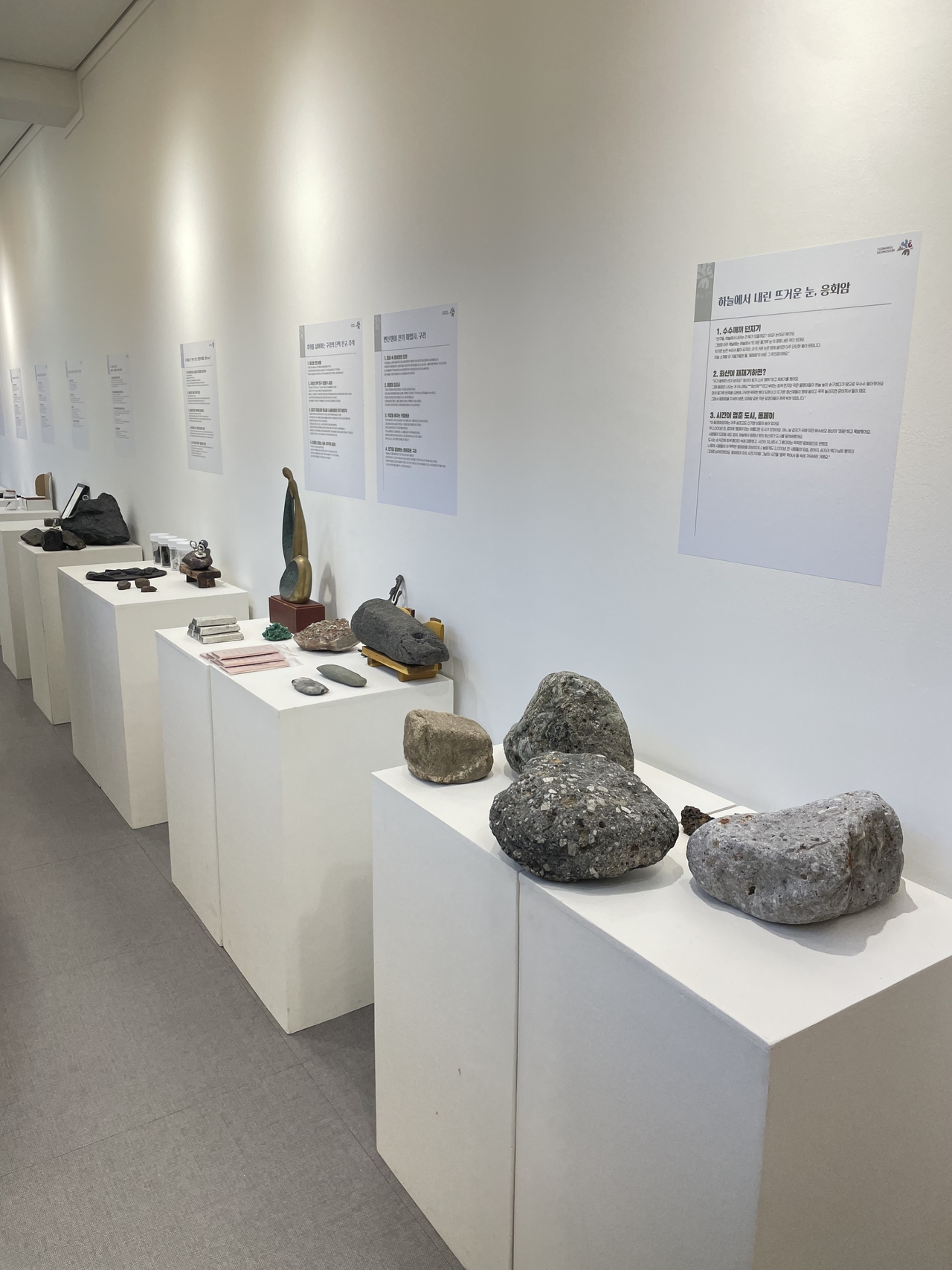
The museum sits on 6,000 square meters of land leased by Yeongwol County, and every corner is designed with clarity in mind. Exhibits trace the history of geological mapping, including Korea’s first official geological map in 1956. A 1907 Korean geological and mining map created by Kinosuke Inoue, a key document in the history of Korean geology and colonial resource extraction, is also on display.
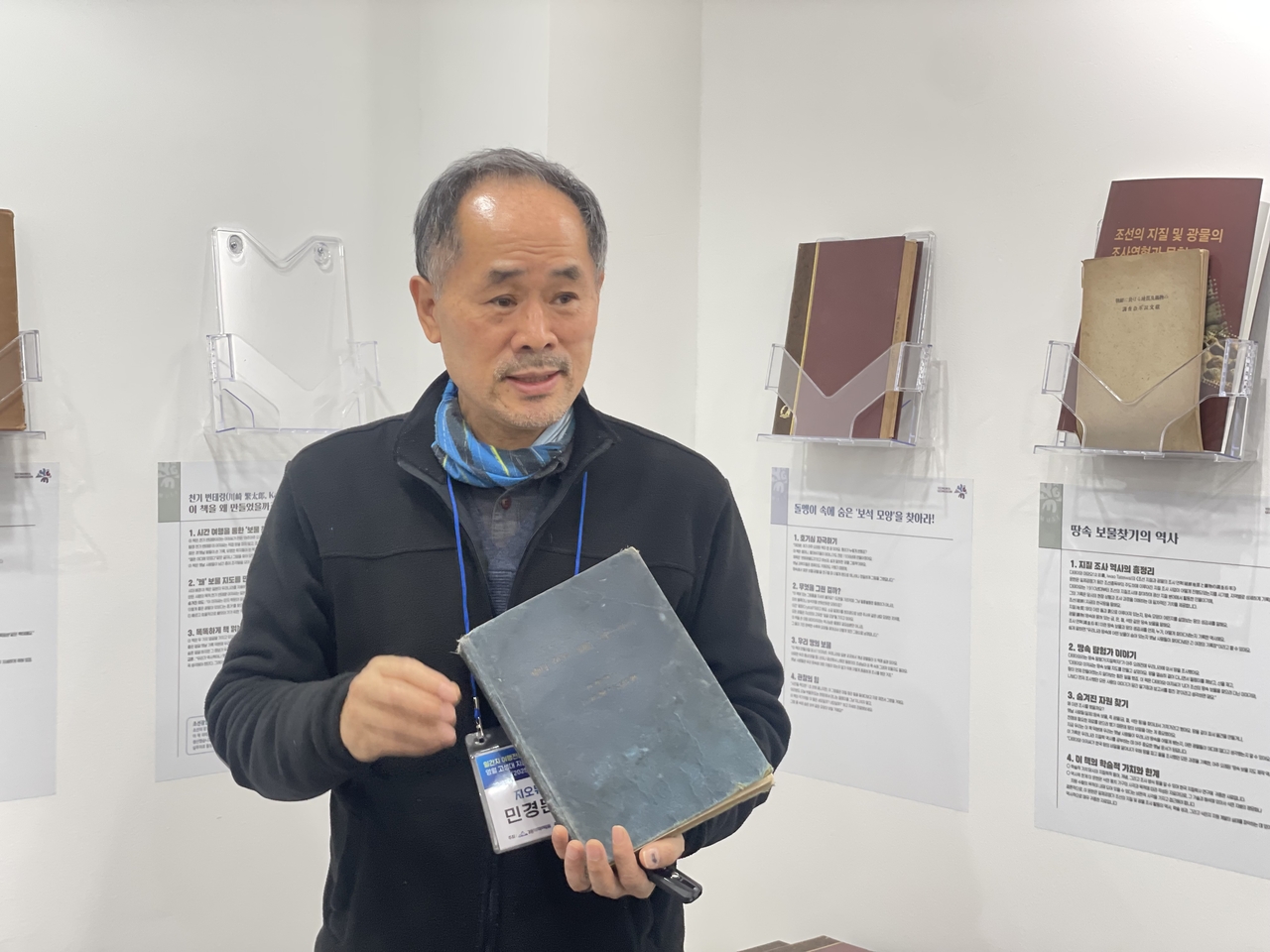
Min believes geology is inseparable from modern Korean history. He points to Yeongwol’s tungsten boom after the Korean War, when Korea supplied nearly 25 percent of the world’s tungsten exports, helping the young nation import essential goods. “If you understand terrain,” he said, “you can understand how people lived.”
The museum also houses about 50 geological books published between 1902 and the 1940s — volumes Min collected piece by piece across the country — and a photo archive tracing the construction of Korea’s early thermal power plants, including the one built in Yeongwol along the Namhan River.
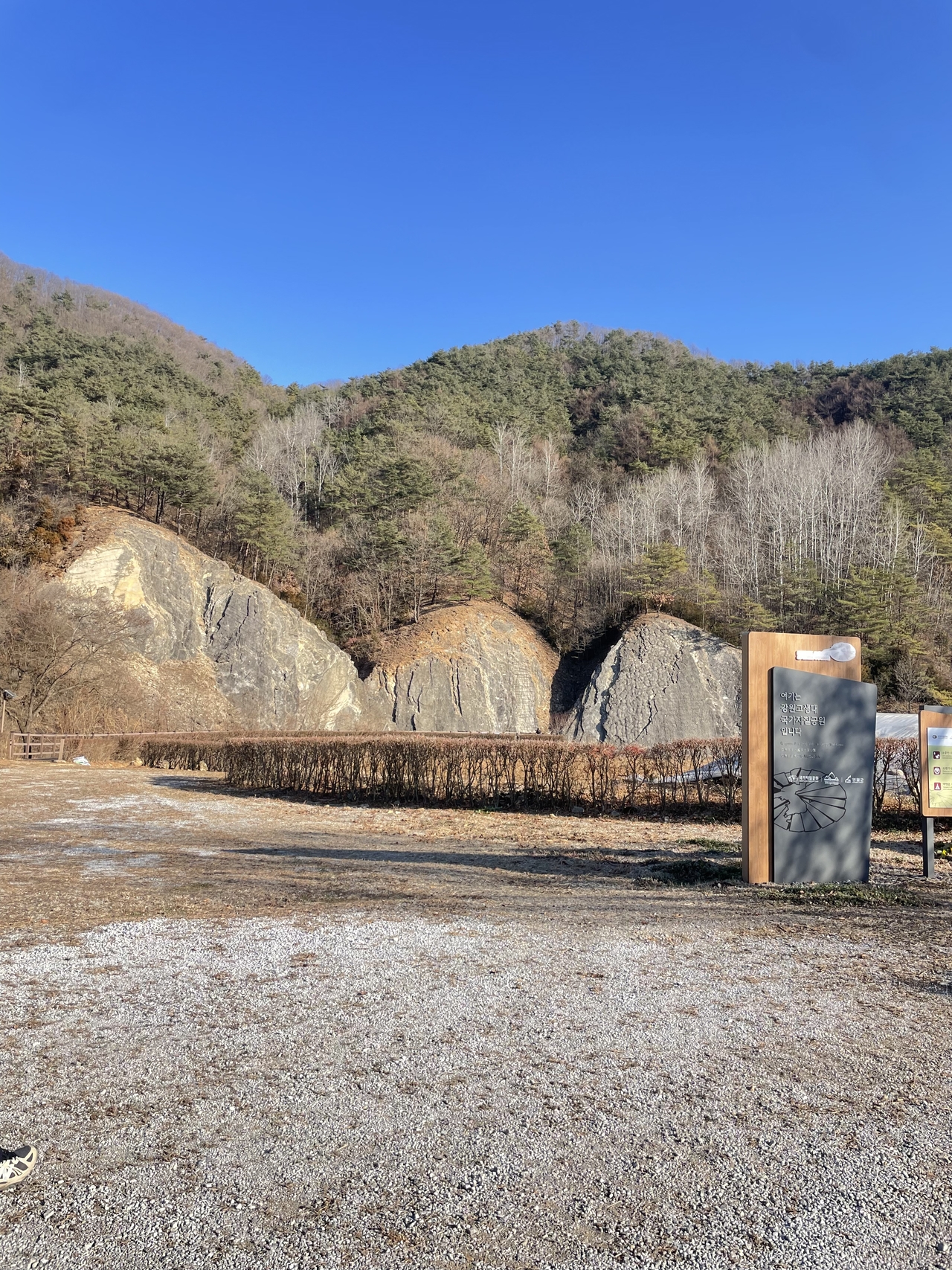
A short drive from the museum is the Gangwon Paleozoic National Geopark, home to some of Korea’s most significant stromatolite formations. These sedimentary structures, created more than 500 million years ago by primitive microorganisms, helped create the oxygen-rich atmosphere that made life on land possible. Yeongwol’s stromatolites, designated Natural Monument No. 413 in 2000, are unusually thin, revealing that the region was once a shallow sea with fluctuating water levels.
Yeongwol’s past continues in places like Machari Abandoned Mining Village, a former coal community that once held 25,000 residents. Through an urban regeneration project, Machari has turned its fading alleys into cultural pathways lined with handwritten signs and murals. One of its most popular stops is Wiro Yakbang, a cafe run by Seoul-born entrepreneur Han Eun-kyung, 40, who moved to Machari in 2021.
Working with local grandmothers, she developed signature treats such as a mugwort-flavored choco pie, and mugwort yakgwa, a traditional honey-glazed cookie. The grandmothers gather and process the mugwort, bake the confections and even perform small theater pieces in the cafe’s community space. The partnership has helped create jobs and turned Wiro Yakbang into one of Yeongwol’s signature attractions, anchoring a pop-up at a major Seoul department store and crowdfunding successes.
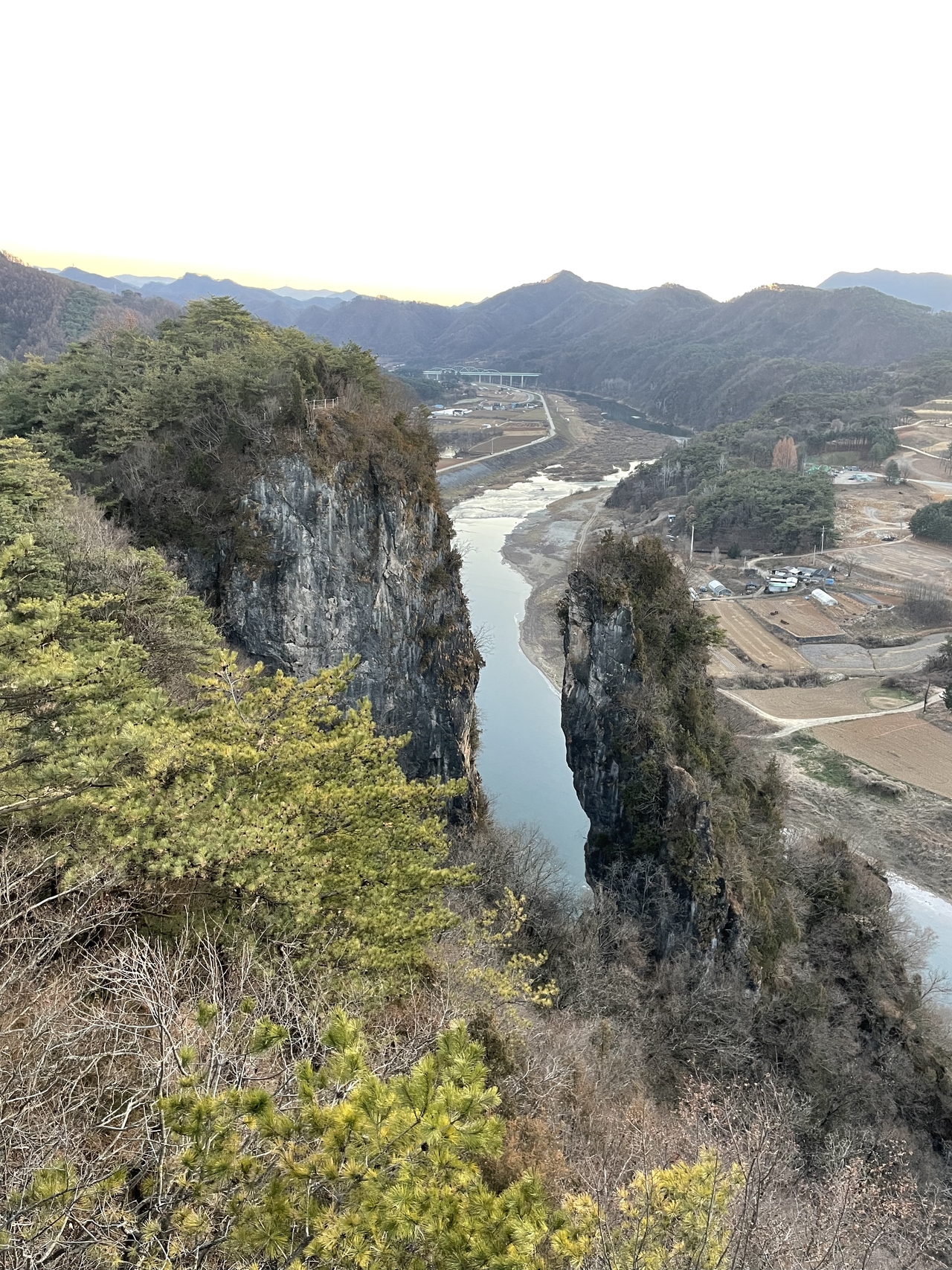
For travelers seeking scenery, the Seondol Rock Pillar is a fractured cliff rising above the blue Seo River. It resembles a giant stone split by a sword. Despite its dramatic appearance, it is a single rock — its upper portion divided by a natural joint. Locals say that if you make a wish at Seondol, it will come true.
Geology, history and community intertwine in Yeongwol. Whether through ancient fossils, reclaimed mining towns or a cafe built on local collaboration, the region invites visitors to look closely and understand how landscapes, and the people who read them, shape each other.
yoohong@heraldcorp.com