

Seven auditors from the state-run Board of Audit and Inspection of Korea (BAI) have been accused of leaking military secrets during inspections related to the 2018 dismantling of guard posts along the border and a 2020 border killing incident.
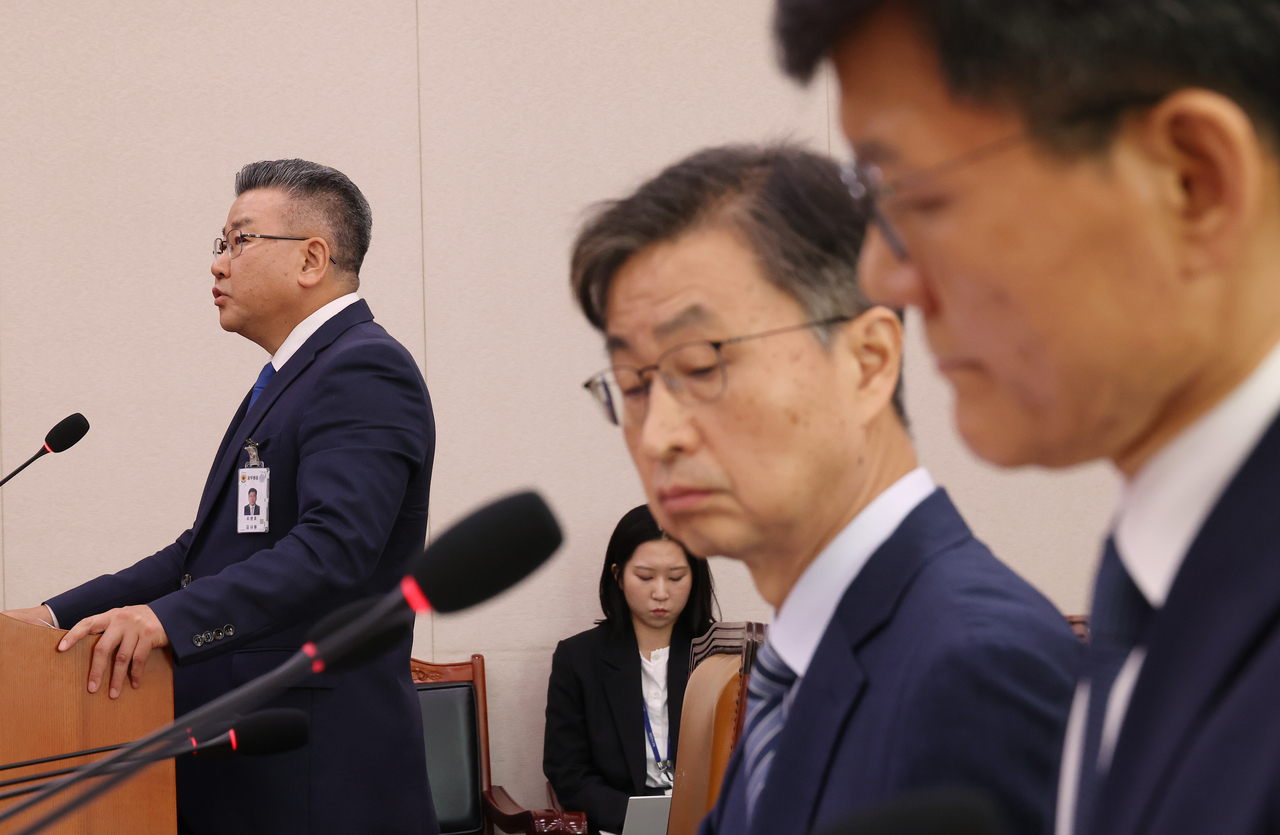
The BAI's internal task force, formed to lead reform efforts within the agency, raised the allegations Monday, citing violations of the Military Secret Protection Act for failing to safeguard classified information. Among the accused are former BAI chief Choe Jae-hae and BAI Commissioner Yoo Byung-ho, who previously served as the organization's secretary-general.
While the BAI did not disclose specific details of the allegations due to the sensitive nature of the case, it stated that the officials had been uncooperative during the internal investigation.
The task force found that unidentified BAI officials had leaked classified military information through press releases issued in October 2022 and December 2023. These releases covered BAI's investigation into the 2020 killing of South Korean civil servant Lee Dae-jun by North Korean forces, and the alleged cover-up and mishandling of the case by government authorities.
Notably, the December 2023 press release was issued despite an internal decision two months earlier to keep the findings confidential.
Under the Military Secret Protection Act, any proceedings or results from BAI inspections that involve classified material must undergo a confidentiality review by a special committee under the Ministry of National Defense before being made public. The BAI stated the accused failed to comply with this process. Both the Defense Ministry and the Joint Chiefs of Staff reportedly denied conducting any such sensitivity review of the releases.
The internal investigation began after the then-main opposition Democratic Party of Korea filed complaints in December 2022 with the Corruption Investigation Office for High-ranking Officials. The complaints targeted Choe and Yoo for allegedly leaking classified details related to the border killing case. Both President Lee Jae Myung and former President Moon Jae-in were affiliated with the Democratic Party during their respective administrations.
The task force also found additional leaks involving BAI’s investigation into South Korea’s verification of North Korea’s dismantling of guard posts under a 2018 inter-Korean peace agreement.
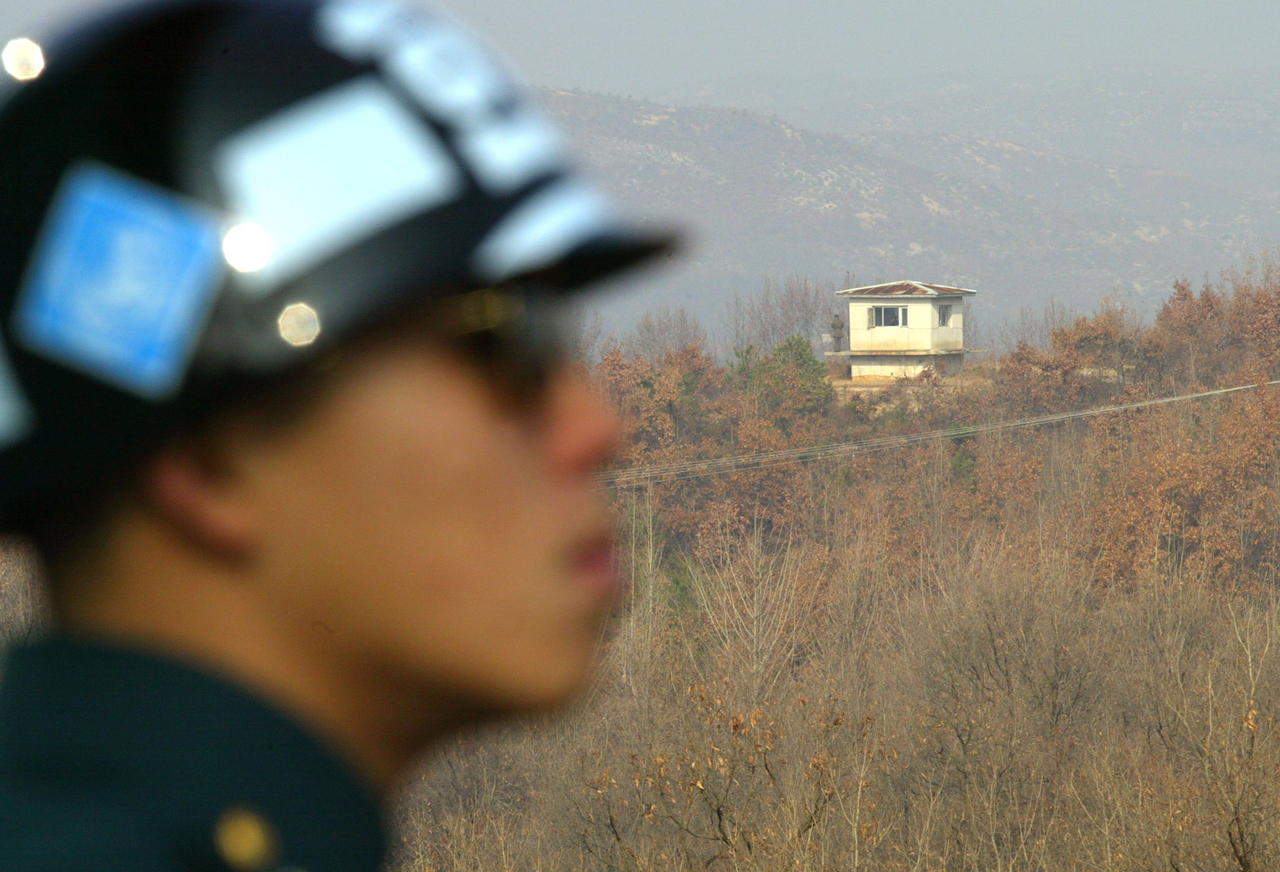
As part of the 2018 pact, Seoul and Pyongyang agreed to each dismantle 11 guard posts along the border, a preliminary step toward removing all border posts. However, the agreement was suspended amid heightened tensions under then-President Yoon Suk Yeol’s administration. North Korea then quickly reinstalled its previously dismantled posts, prompting concerns that the dismantling had not been properly verified by the South.
During BAI’s public audit of the matter in March 2025, a press release summarizing the inspection was drafted and reportedly included classified information. Although the release was ultimately withheld due to internal objections, unnamed officials were accused of sharing the document with a reporter in April, leading to a media report.
According to the task force, the leaked document and the published article shared a 94 percent similarity, suggesting the reporter had access to the unofficial release.
Separately, the task force also raised suspicions that Yoo, during his tenure as secretary-general, may have abused his power to exert undue influence within the agency.
consnow@heraldcorp.com