
Controversy has erupted over alleged government interference in the prosecution’s decision not to appeal a high-profile corruption case involving a housing development project in Seongnam, Gyeonggi Province.
The case had drawn public attention due to suspicions of President Lee Jae Myung's involvement. A recent lower court ruling suggested otherwise.
The prosecution’s failure to file an appeal before Friday’s deadline has since fueled accusations of political meddling, prompting fierce criticism from the main opposition People Power Party.
On Sunday the People Power Party accused the liberal Lee administration of blocking prosecutors from proceeding with the appeal by interfering in the decision-making process.
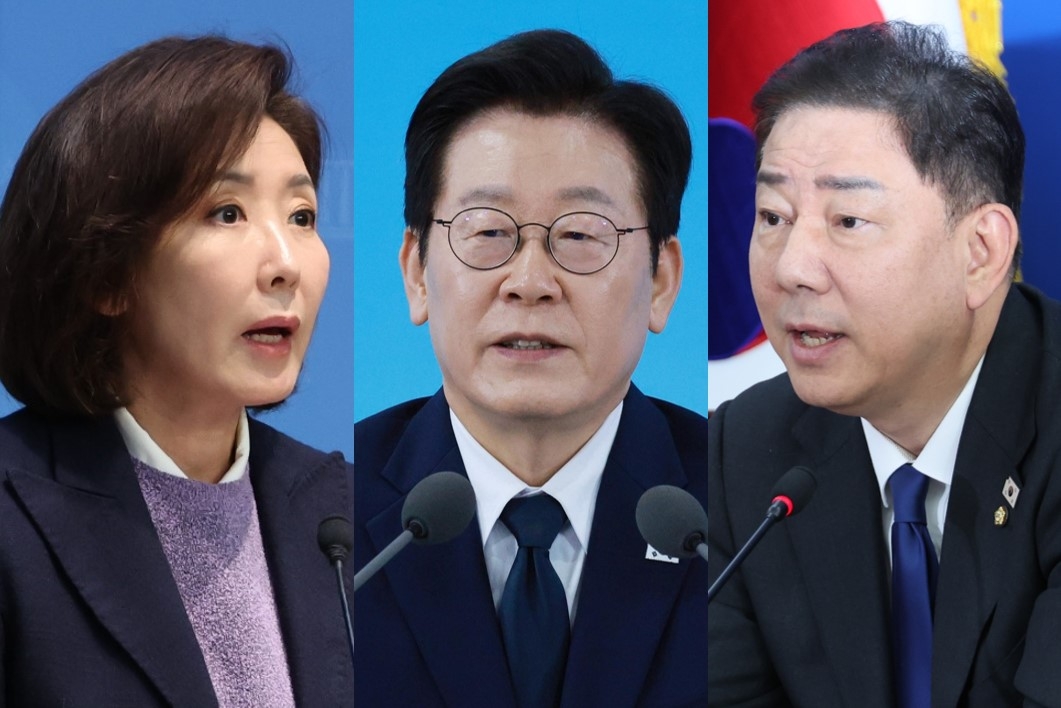
Five-term People Power Party Rep. Na Kyung-won told reporters at the National Assembly that same day that the Ministry of Justice had abused its power. She demanded that Justice Minister Jung Sung-ho resign from his post, claiming the political ally to Lee had masterminded the prosecution's decision.
Na also claimed the prosecution's decision occured around the same time that Lee's ties to the case were being revealed. The suspects, who Na believed had a close relationship with Lee, were handed down tough sentences, but the decision not to appeal prevents further courtroom revelation of Lee's possible association with them, said Na, adding she suspects the presidential office may have been involved in the decision-making process.
People Power Party spokesperson Cho Yong-sool also said in a statement Sunday that the ruling bloc had been eating away at their conscience to "protect one person."
However, later on Sunday, the ruling Democratic Party of Korea's floor leader Rep. Kim Byung-kee lauded the prosecution's decision not to appeal as "self-restraint," which was the "result of acting on (its) conscience," in a separate press conference at the National Assembly.
Kim added that prosecutors who criticized the decision "should face consequences" for defying the order, and suggested the parliament initiate measures such as inspecting the state administration to "stamp out politically-motivated prosecutors."
In response to Kim's remarks, prosecutor-turned-politician Han Dong-hoon, who formerly led the People Power Party, said on his Facebook page on Sunday that the Democratic Party is an accomplice to those convicted in the corruption scandal, and that soft despotism is already at play in the country.
This comes as the prosecution failed to meet the deadline Friday night to appeal an Oct. 31 district court verdict, which found five key suspects, indicted in 2021, guilty of orchestrating the land development scandal. The prosecution believed they had been involved in a scheme to swindle the Seongnam municipal government out of over 480 billion won ($329.7 million).
The prosecution in 2023 indicted then-opposition leader Lee, accusing him of breaching trust by approving the scheme that allowed the five suspects to swindle money as the then-Seongman mayor in mid-2010.
The suspects were found to have taken illicit gains from a lucrative housing project to supply some 5,900 houses in Daejang-dong in southern Seongnam, by scheming an investment structure that concentrated most of the dividend gains to a budding investment house, Hwacheon Daeyu, while inflicting corresponding losses to the public-owned developer that joined the project.
All the suspects were handed down prison terms ranging from four to eight years for breach of trust and were held in custody immediately, in addition to forfeiture of some gains from the development project.
But the court ruling did not suggest Lee's involvement in their crime.
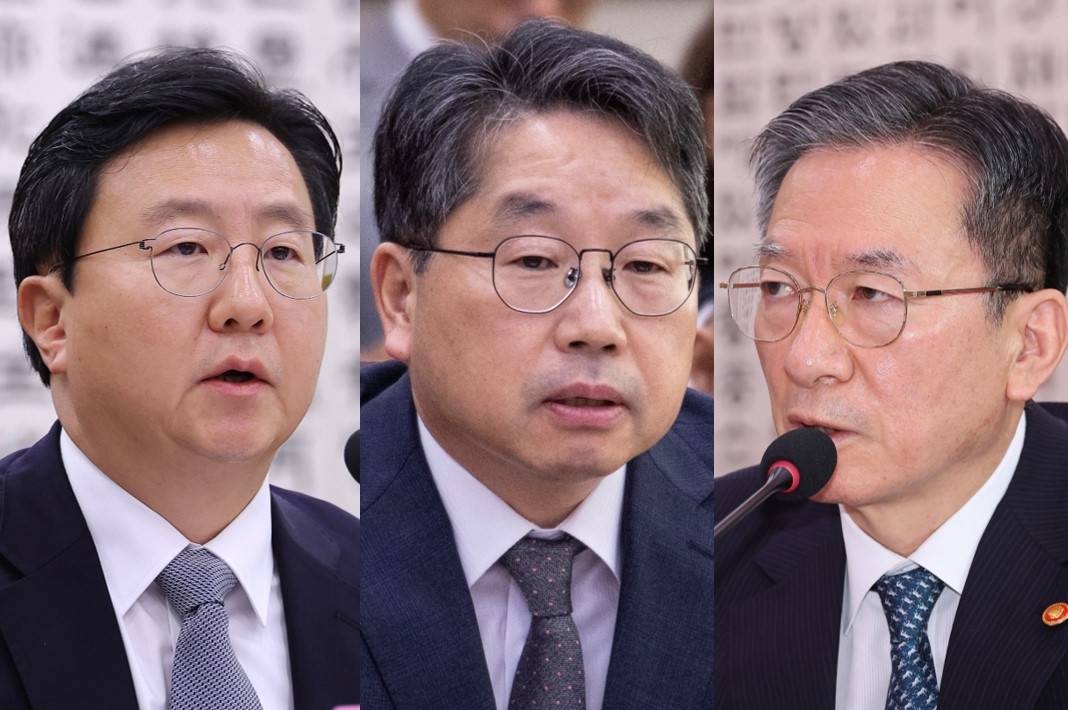
Following a prosecutor's revelation that the appeal could not be processed due to disapproval at the top level, Jung Jin-woo, head of the Seoul Central District Prosecutors' Office, offered to step down later Saturday without elaborating why.
Jung on Sunday said in a note to reporters that it could not persuade the Supreme Prosecutors' Office that the case should be appealed.
Acting Prosecutor General Noh Man-seok, leading the Supreme Prosecutors' Office, said in a separate note that his decision not to appeal came after his consultation with Jung, adding that he had also taken the Justice Ministry's opinion as a reference.
The Justice Minister reportedly denied speculations that Minister Jung had directed any decision-making process of the prosecution.
The latest development is in line with the liberal bloc's push to curtail prosecutorial power, mainly through a legislative push ― for the first time in 78 years ― to split the prosecutors' office into two, with each dedicated to investigation and indictment, respectively.
During a Cabinet meeting in September, Lee instructed Justice Minister Jung that the prosecutors should stop abusing their power to indict a criminal or appeal a court ruling without concrete grounds for their actions.
A separate criminal case involving Lee was paused shortly after Lee was inaugurated in June. It is one of the five criminal cases concerning Lee, including one at the Supreme Court that, just before the June presidential election, found him guilty of making false claims during the 2022 presidential election. Lee lost that election to disgraced former-President Yoon Suk Yeol.
consnow@heraldcorp.com