

Beauty takeovers top $2.3 billion, overtaking food in Korea’s deal rankings
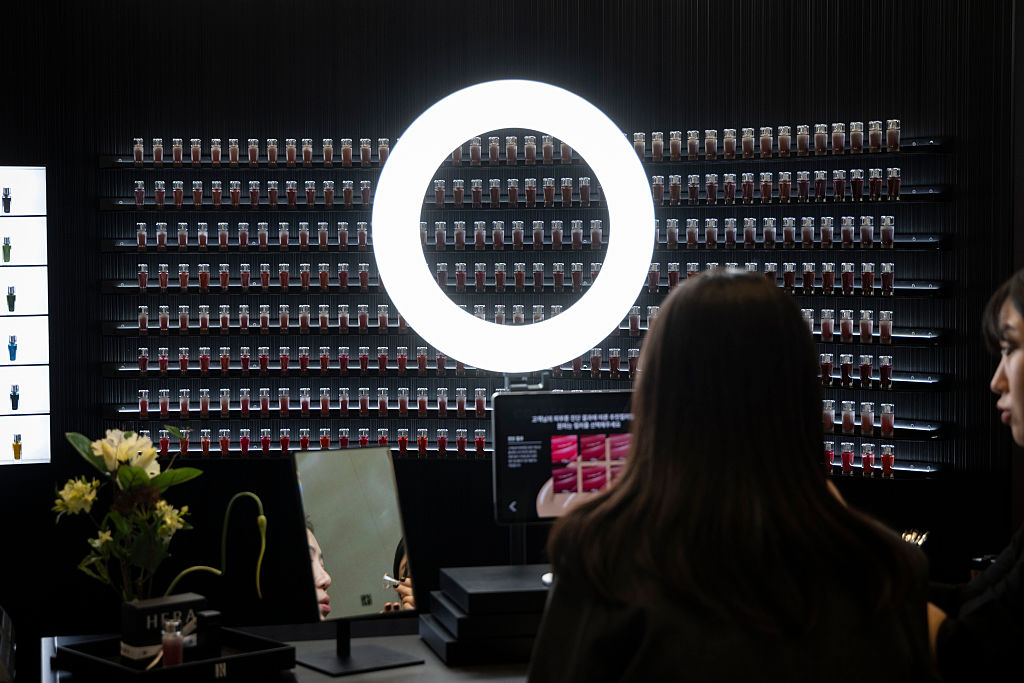
Korea’s beauty industry is putting a fresh sheen on the corporate dealmaking landscape, drawing in domestic and global capital chasing the country’s most glamorous rising export.
According to US-based consulting firm McKinsey & Company, mergers and acquisitions in Korea’s beauty sector totaled $2.32 billion between January and September, more than double the food and beverage sector’s $977 million. The figures mark a sharp reversal from 2022, when food-related transactions were nearly eight times larger than beauty deals.
Analysts say the surge underscores how beauty, long celebrated as a soft-power engine of “K-culture,” is maturing into a robust investment theme.
“Beauty is one of the few domestic sectors that fuses brand power, retail infrastructure and global demand,” said an industry official. “Investors now view the entire value chain — from raw materials to packaging — as fair game.”
Among the biggest recent moves is Goodai Global’s acquisition of Skinfood and Seorin Company for about 750 billion won ($521 million), expanding a portfolio that already includes the viral skincare labels Beauty of Joseon and TirTir. The Seoul-based company is quickly becoming a local powerhouse known for identifying under-the-radar brands and scaling them globally through aggressive e-commerce strategies.
US private equity firms are also jumping in. In September, KKR acquired Samhwa, a major cosmetics packaging maker, for 733 billion won, while Blackstone invested 800 billion won in Juno Hair, a leading salon franchise. The two deals alone account for more than half of the quarter’s beauty-related capital inflows. Last year, Morgan Stanley Private Equity bought a 67 percent stake in Skinidea, owner of Medipeel and Dermamaison, continuing the trend of global financiers seeking exposure to Korea’s fast-moving consumer sectors.
Even early investors are taking profits. K-beauty distributor Silicon Two recently sold part of its stake in Picton, the company behind vegan skincare brand Tocobo, booking a 13-fold return on its initial 1 billion won investment made in 2021 — a sign that exit channels for niche beauty brands are strengthening.
According to industry estimates, beauty deals now account for more than half of all consumer-goods M&A transactions in Korea. The momentum reflects not only the domestic market’s sophistication but also K-beauty’s sustained international appeal.
A recent report by KPMG Korea found that Korean cosmetics exports have grown an average of 14.6 percent annually over the past decade. Exports hit $10.3 billion last year, up about 20 percent from a year earlier, as shipments to the US soared even while China’s spending power waned. Korea is now the world’s third-largest cosmetics exporter after France and the US.
The report cited Korea’s short innovation cycles, science-backed formulations and multistep skincare culture as key strengths that have turned K-beauty into a structural growth narrative rather than a passing fad. “Rather than stopping at acquisitions, major companies and investors should focus on strategic investments that reinforce the value chain and improve global responsiveness,” said a KPMG Korea official. “That’s how they’ll build lasting value within the K-beauty ecosystem.”
Parallel to brisk dealmaking, Korea’s beauty stocks are enjoying their own rally.
APR, the beauty-tech company that debuted in February last year, has since grown into the nation’s most valuable listed beauty firm, now worth more than 9 trillion won.
According to some industry insiders, APR’s listing helped lift valuation multiples across the entire beauty sector.
Global investors are stepping into the action. Morgan Stanley & Co. International, a wholly owned affiliate of the US investment bank, has acquired a 5.03 percent stake in APR, while Singapore’s sovereign wealth fund GIC holds 5.01 percent of Cosmax, Korea’s leading cosmetics manufacturer.
Capital is now converging on where future growth is expected to flow. Goodai Global has raised 800 billion won through a convertible bond issuance as it prepares for an initial public offering, while DS Asset Management has established an 11 billion won blind fund targeting pre-IPO beauty startups.
minmin@heraldcorp.com