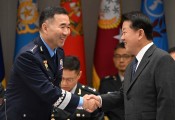
A ministerial meeting of the Asia-Pacific Economic Cooperation forum was set to kick off Wednesday, bringing together top foreign and trade officials of the 21 member economies with a focus on exploring ways to enhance trade cooperation and promote regional security.
The APEC Ministerial Meeting, running through Thursday, comes as the multilateral gathering seeks to reach common ground on key initiatives for growth and co-prosperity, amid rising protectionism and weakening global trade fueled by intensifying Sino-US rivalry and other challenges.
The AMM sessions will begin with a dinner banquet later in the day, with the main conference set for the following day, featuring separate sessions on foreign affairs and trade.
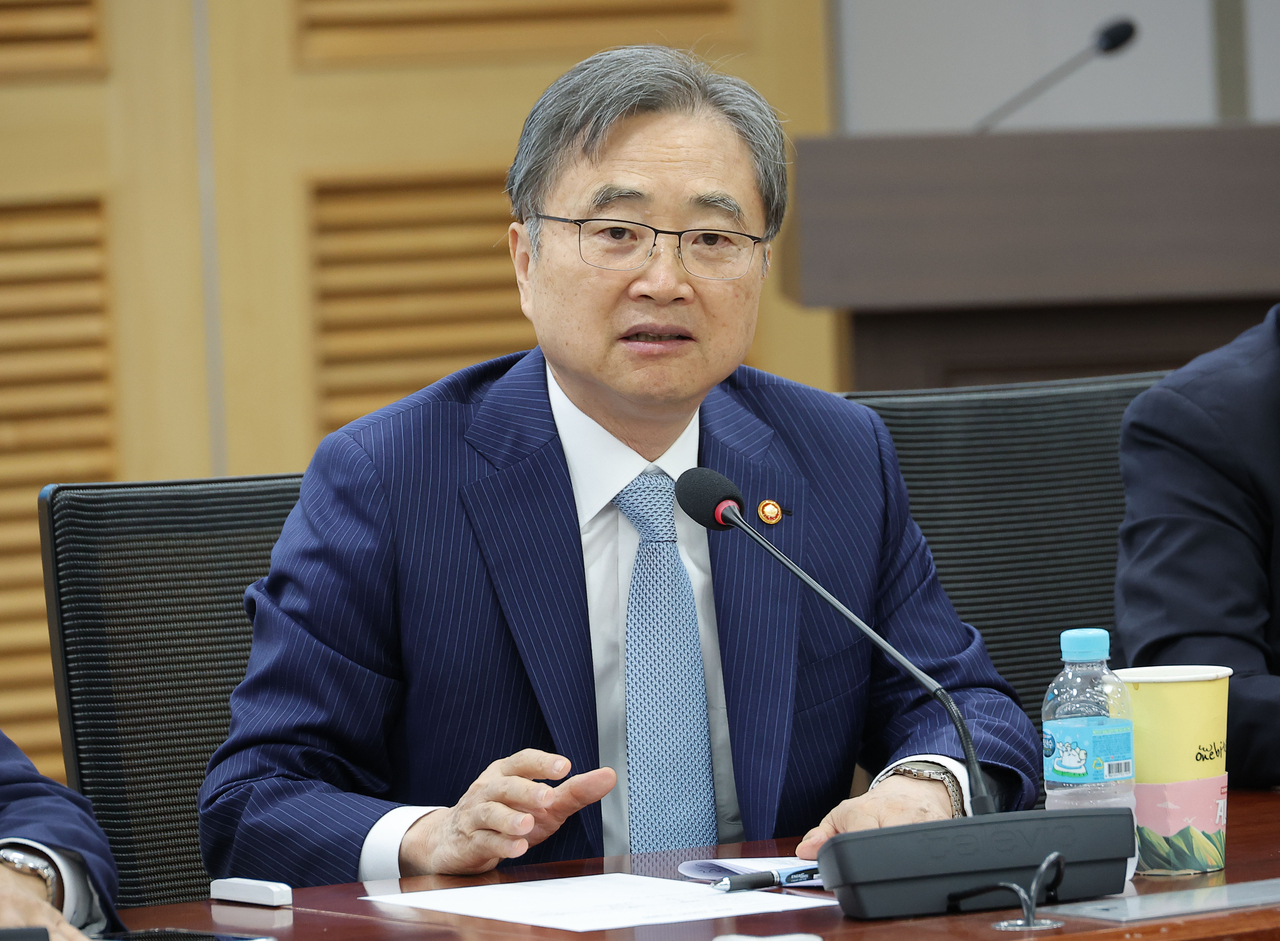
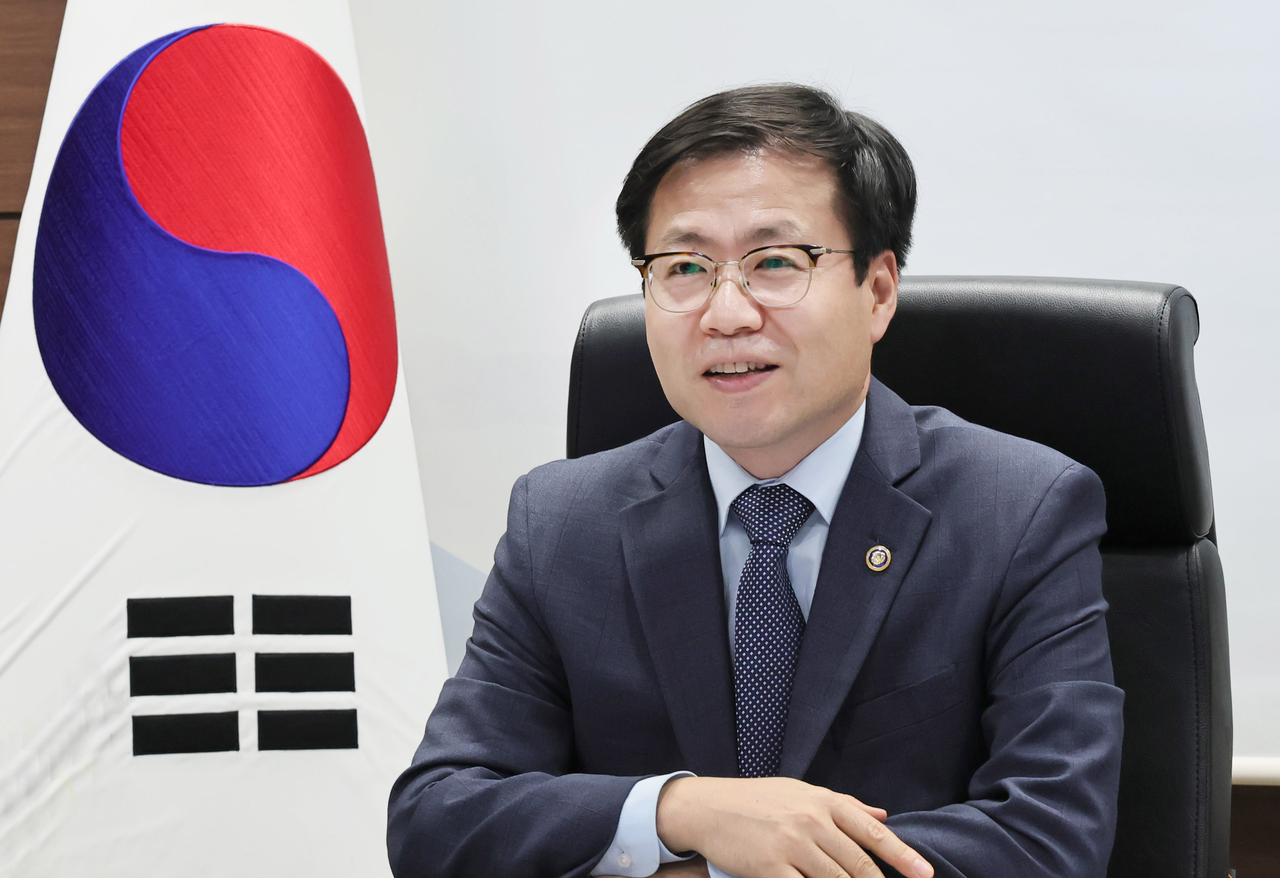
Foreign Minister Cho Hyun and Trade Minister Yeo Han-koo will co-lead the main conference as top representatives of the host country.
The AMM is expected to focus on the final coordination to produce an outcome for the upcoming APEC leaders' summit, set for Friday through Saturday. Its deliberations will serve as a framework for an envisioned joint declaration -- the "Gyeongju Declaration" -- which South Korea aims to have endorsed by all APEC members by consensus.
Prospects for such an outcome remain bleak, as member economies hold differing views on trade-related agenda items, including support for multilateralism and the World Trade Organization system that has underpinned the global free trade order.
The United States and China are engaged in a fierce trade dispute, with the Donald Trump administration threatening to impose additional tariffs on Beijing, while China has hit back with export controls on rare earths.
Washington has reportedly expressed displeasure over China's tightening of rare earth export controls and called for including language in the APEC declaration stating such actions as "economic coercion" against the international community.
China, on the other hand, has reportedly called for emphasizing multilateralism and objecting to trade protectionism in the declaration as it denounces the US' unilateral tariff policies.
As Trump plans to hold his first bilateral talks with Chinese President Xi Jinping during the APEC events, the outcome of their meeting could also shape the contents of the declaration.
Most of the past APEC leaders' declarations have highlighted support for free trade based on the WTO system and their commitment to multilateralism.
Between 2021 and 2024, all APEC summit declarations included the phrase: a rules-based multilateral trading system with the WTO "at its core," which first appeared in the 2021 declaration, after US President Donald Trump's first term ended.
A leaders' declaration can only be adopted by consensus, with support from every single APEC member.
The AMM will also discuss finalizing a new APEC road map for digital transformation, artificial intelligence and demographic changes.
Other issues include food and energy security, and social protection policies to ensure long-term well-being in the face of climate and geopolitical risks. (Yonhap)