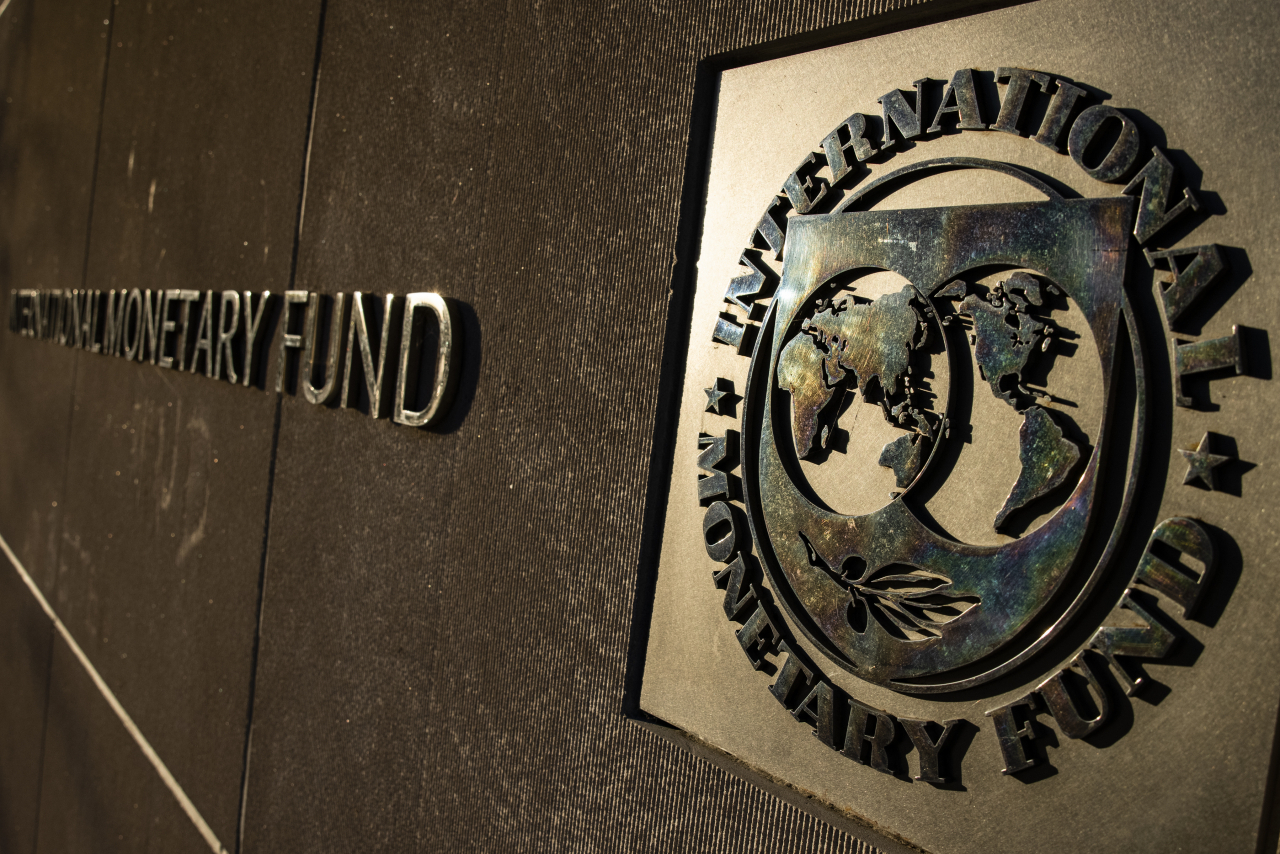
The International Monetary Fund’s latest forecast for South Korea offers a small lift laced with a warning.
국제통화기금(IMF)의 최신 한국 경제 전망은 작은 반등과 함께 묵직한 경고를 담고 있다.
Growth this year is projected at 0.9 percent, a notch above the IMF's earlier estimate and neatly aligned with the Bank of Korea’s outlook. The uptick, fueled by resilient semiconductor exports and fiscal largesse at home, is the kind of revision Seoul is tempted to celebrate.
올해 성장률은 0.9%로 예상됐다. 이는 IMF의 이전 전망치보다 소폭 높고, 한국은행의 전망과도 일치한다. 반도체 수출 회복과 국내 재정 확대가 이번 상향 조정의 배경이다. 서울이 자칫 반길 만한 결과다.
But it should not. Buried in the IMF’s analysis is a sharper verdict: Without structural reform, the government’s aspiration of 3 percent growth is a mirage.
그러나 안심할 일은 아니다. IMF 분석 속에는 더 뼈아픈 진단이 숨어 있다. 구조 개혁 없이는 정부가 내세운 ‘3% 성장’ 목표가 신기루에 불과하다는 것이다.
The IMF’s mission to Seoul, which concluded this week, struck a familiar chord. It praised the Lee Jae Myung administration’s accommodative fiscal and monetary stance as suitable for an economy still below potential. Yet the plaudits ended quickly. To withstand the twin shocks of rapid aging and a shrinking workforce, South Korea needs more than stimulus checks and supplementary budgets. Long-term growth demands systemic overhaul — from pensions and health care to labor markets and industrial organization.
이번 주 마무리된 IMF의 방한 조사단도 비슷한 진단을 내놨다. 이재명 정부의 재정·통화 완화 기조가 잠재력에 못 미치는 경제 상황에서는 적절하다고 평가했지만, 긍정 평가는 거기까지였다. 급속한 고령화와 노동력 축소라는 이중 충격을 버티려면 단순한 지원금이나 추가경정예산으로는 부족하다. 연금·의료·노동시장·산업 구조 등 전반에 걸친 체계적 개편이 장기 성장을 위한 필수 조건이라는 지적이다.
The diagnosis is not new. Demographics alone will shrink the working-age population in the coming decades, even as mandatory welfare spending rises inexorably. By 2029, more than 55 percent of government expenditure will be locked into obligations such as pensions and health insurance, crowding out discretionary investment.
이는 새로운 진단이 아니다. 앞으로 수십 년 동안 생산가능인구는 줄어들고 복지 지출은 멈추지 않고 늘어날 것이다. 2029년에는 정부 지출의 절반을 훌쩍 넘는 55% 이상이 연금과 건강보험 같은 의무 지출에 묶여, 재량 투자를 잠식할 것으로 전망된다.
Yet Seoul still operates without a fiscal rule, one of only two OECD members in that position. Attempts to legislate a debt ceiling and deficit target collapsed years ago, sacrificed to political expediency. For now, the government leans on its relatively modest debt-to-GDP ratio as proof of resilience. That reassurance grows thinner each year.
그럼에도 한국은 여전히 재정준칙 없이 운영되고 있다. OECD 회원국 가운데 이런 상황은 단 두 나라뿐이다. 국가채무 상한선과 재정적자 목표를 법제화하려던 시도는 수년 전 정치적 이해관계에 막혀 무산됐다. 현재 정부는 비교적 낮은 GDP 대비 국가채무 비율을 내세워 재정 건전성을 강조하지만, 그 설득력은 해마다 약해지고 있다.
The international comparisons are equally alarming. The OECD this week lifted its global growth forecast to 3.2 percent, buoyed by stronger trade and investment. It even upgraded Japan — long the cautionary tale of stagnation — to 1.1 percent, edging past South Korea’s 1.0 percent projection. For a country that once treated Japan’s “lost decades” as a warning to avoid, the reversal should sting.
국제 비교도 우려스럽다. OECD는 이번 주 무역과 투자 회복세에 힘입어 올해 세계 경제 성장률 전망치를 3.2%로 상향 조정했다. 장기 침체의 대표적 경고 사례로 꼽혀온 일본조차 전망치가 1.1%로 높아져 한국의 1.0%를 앞질렀다. 한때 일본의 ‘잃어버린 수십 년’을 반면교사로 삼았던 한국으로서는 뼈아픈 역전이다.
forecast: 전망
warning: 경고
estimate: 추산
align: 나란히 하다
structural: 구조적인
mirage: 신기루
suitable: 적합하다
plaudit: 칭찬
rapid: 빠른
systemic: 체계적인
pension: 연금
diagnosis: 진단
expenditure: 지출
political: 정치적인
comparison: 비교
trade: 무역
stagnation: 침체
reversal: 뒤바꿈, 역전
khnews@heraldcorp.com